

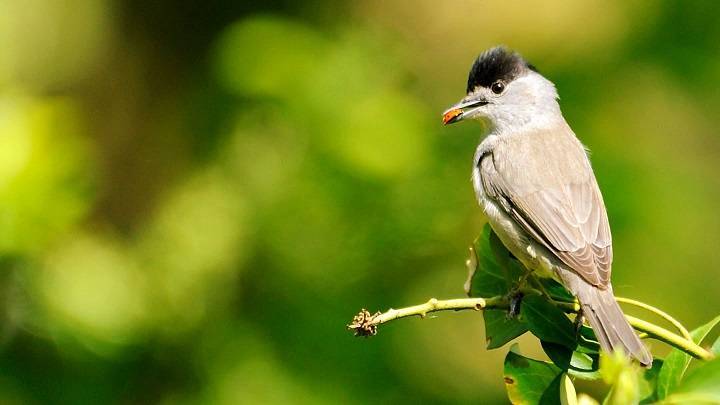
The blackcap bird, scientifically known as Sylvia atricapilla, is a fascinating species that frequents the United Kingdom, particularly during the breeding season. In this comprehensive guide, we’ll delve into the characteristics, habitat, behavior, and conservation status of the blackcap bird, providing bird enthusiasts with valuable insights into this charming avian species.
The Blackcap Bird
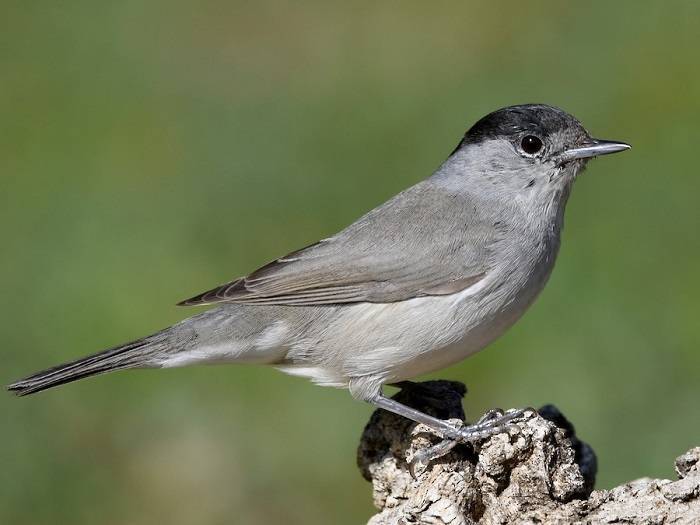
The blackcap bird is a small, migratory warbler that belongs to the family Sylviidae. It is renowned for its distinctive black cap, which contrasts sharply with its greyish-brown plumage. Both male and female blackcaps exhibit this characteristic feature, although the cap of the male is typically darker and more pronounced.
Identification
Plumage:
The blackcap bird’s plumage is predominantly greyish-brown, with subtle variations in coloration across its body. Its wings and back are typically darker, while the throat and breast may have a slightly lighter hue. However, the most distinguishing feature is undoubtedly the black cap that adorns the bird’s head, extending from its forehead to the nape of its neck.
Size and Shape:
Blackcap birds are relatively small, measuring around 13–14 centimeters in length with a wingspan of approximately 20–23 centimeters. They have a slender, streamlined body shape, with a pointed beak that is well-suited for catching insects and foraging for food.
Habitat and Distribution
Breeding Habitat:
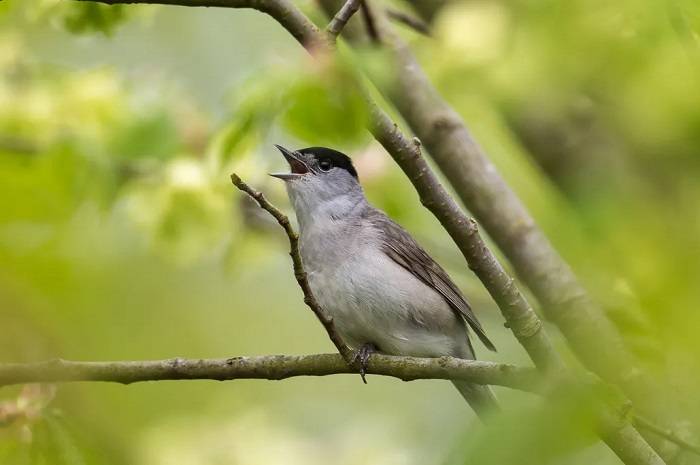
During the breeding season, blackcap birds inhabit a variety of woodland habitats, including deciduous and mixed forests, as well as scrubland and gardens with dense vegetation. They prefer areas with ample cover for nesting and foraging, such as thick undergrowth, shrubs, and low-hanging branches.
Migration:
Blackcap birds are migratory, with populations from Northern and Central Europe migrating to the UK and other parts of Western Europe during the breeding season. They typically arrive in the UK from late March to April, with some individuals overwintering in milder regions if food sources are available.
Behavior
Foraging:
Blackcap birds are primarily insectivorous, feeding on a wide variety of insects, spiders, and other invertebrates. They use their sharp beaks to probe and peck at foliage, branches, and the ground in search of prey, often flitting from branch to branch in pursuit of food.
Song:
The blackcap bird is renowned for its melodious and varied song, which consists of a combination of fluting whistles, trills, and warbles. Male blackcaps use their distinctive song to establish territories, attract mates, and communicate with other birds during the breeding season.
Blackcap Bird in the UK
Population Trends:
The blackcap bird is considered to be of Least Concern on the IUCN Red List, with stable or increasing populations reported in many parts of its range. However, like many migratory species, blackcaps face threats such as habitat loss, climate change, and predation.
Conservation Efforts:
Conservation efforts aimed at protecting the blackcap bird and its habitat include habitat restoration, creation of wildlife corridors, and monitoring of breeding populations. Citizen science initiatives such as birdwatching surveys and nest monitoring also play a crucial role in gathering data on blackcap populations and informing conservation strategies.
Related Post:
Cracking the Mystery: How Long Does It Take for Duck Eggs to Hatch?
Unlocking the Egg-Laying Mystery: When Do Ducks Start Laying Eggs?
Choosing the Perfect Pet Duck: A Comprehensive Guide
The blackcap bird is a charming and charismatic species that enriches the UK’s biodiversity with its presence. With its distinctive appearance, melodious song, and fascinating behavior, the blackcap bird is a favorite among birdwatchers and nature enthusiasts alike. By understanding the characteristics, habitat, behavior, and conservation status of the blackcap bird, we can all play a role in ensuring the continued well-being and survival of this iconic avian species in the UK.
