

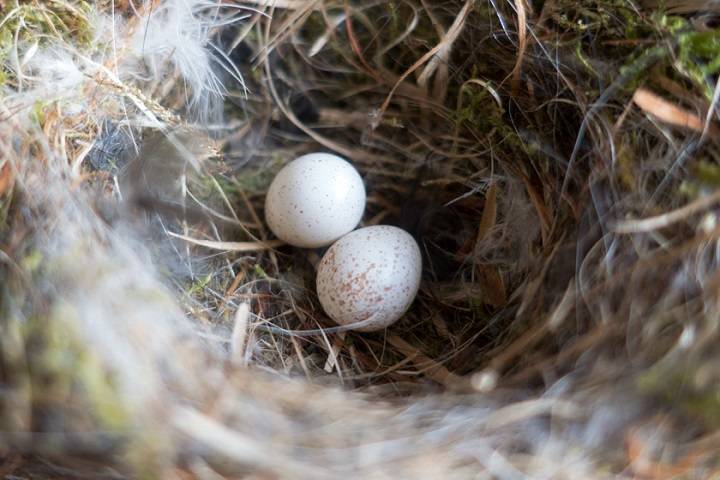
In the avian realm, few sights evoke as much wonder and curiosity as the delicate, speckled eggs of the Blue Tit (Cyanistes caeruleus). These tiny marvels, meticulously crafted by nature, play a crucial role in the life cycle of these charming little birds. In this comprehensive exploration, we will delve into the fascinating world of Blue Tit eggs, unraveling their appearance, significance, egg-laying behavior, incubation period, and the intricate interplay between parent and offspring.
Blue Tits
The Blue Tit, with its vibrant blue and yellow plumage, is one of the most recognizable and beloved garden birds in the United Kingdom. These small, agile birds are a common sight in woodlands, parks, gardens, and hedgerows, where they flit about in search of insects, seeds, and other food sources. Despite their diminutive size, Blue Tits are renowned for their intelligence, adaptability, and spirited personalities.
Appearance of Blue Tit Eggs
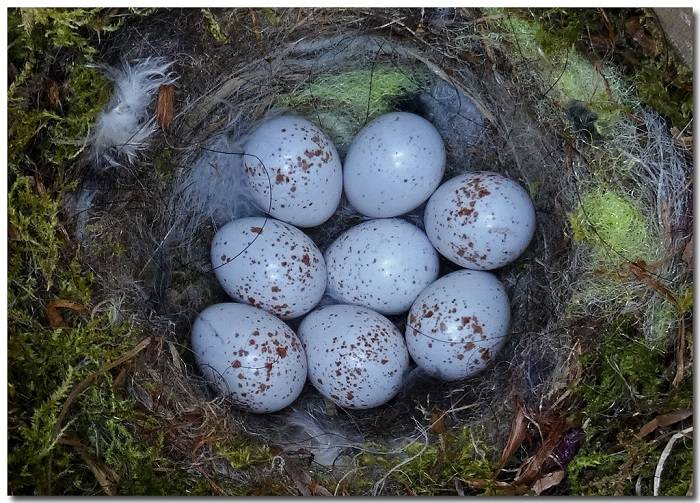
Blue Tit eggs are small, delicate, and beautifully crafted, with a distinctive appearance that sets them apart from those of other bird species. Typically, they measure around 14 millimeters in length and are slightly elongated in shape. The eggs are smooth and glossy, with a pale, creamy-white base color adorned with intricate speckles and spots of reddish-brown, purple, or black pigment. Each egg is a unique work of art, bearing a pattern that is thought to provide camouflage and protection from predators.
Significance of Blue Tit Eggs
For Blue Tits, the production of eggs marks the beginning of the breeding season, a period of intense activity and parental dedication. The eggs symbolize the promise of new life and the continuation of the species, embodying the delicate balance of nature and the cycle of renewal. Each egg represents a potential offspring, carrying within it the genetic legacy of its parents and the potential to contribute to the survival of the population.
Egg-Laying Behavior
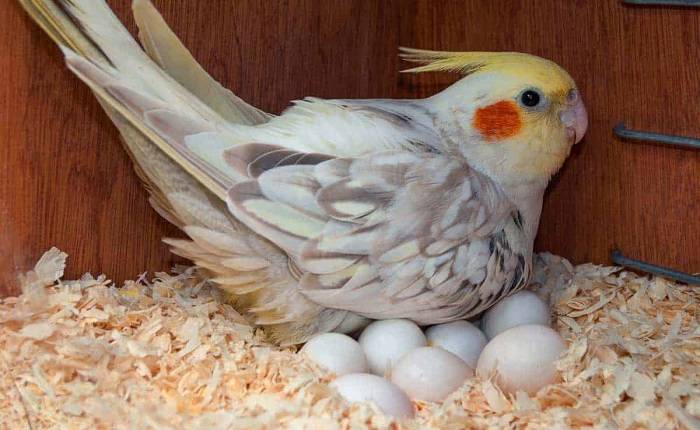
The process of egg laying in Blue Tits is a carefully orchestrated affair, driven by hormonal changes and environmental cues. As spring approaches and daylight hours lengthen, female Blue Tits begin to develop their ovaries and produce eggs. They seek out suitable nesting sites, often choosing cavities in trees, nest boxes, or crevices in buildings. Once a suitable site is found, the female begins the process of egg laying, typically laying one egg per day until the clutch is complete.
Incubation Period
After the completion of the clutch, the female Blue Tit assumes the primary responsibility for incubating the eggs, while the male assists with feeding and defending the nest. The incubation period typically lasts for around 12-16 days, during which the female remains dedicated to keeping the eggs warm and protected from the elements. This period is a critical time for the developing embryos, during which they undergo rapid growth and development within the safety of the eggshell.
Parental Care and Nestling Development
Once the eggs hatch, the real work begins for the parent Blue Tits. Both parents are actively involved in caring for the helpless hatchlings, providing them with a constant supply of food and protection from predators. The nestlings grow rapidly, their voracious appetites driving the parents to make countless trips in search of caterpillars, spiders, and other food sources. As the nestlings mature, their downy feathers are gradually replaced by sleek plumage, preparing them for their eventual fledging from the nest.
Challenges and Threats
Despite their resilience and adaptability, Blue Tits face numerous challenges and threats throughout the breeding season. Predation by squirrels, cats, and birds of prey poses a constant risk to both eggs and nestlings. Harsh weather conditions, habitat loss, and food shortages can also impact breeding success. In recent years, climate change and the spread of invasive species have added further pressure on Blue Tit populations, highlighting the importance of conservation efforts to protect their natural habitats.
Blue Tit Eggs
Conservation organizations and bird enthusiasts play a vital role in safeguarding the future of Blue Tits and other garden birds. Initiatives such as the provision of nest boxes, habitat restoration projects, and citizen science monitoring programs help to support breeding populations and contribute valuable data on population trends and reproductive success. By working together to address the underlying threats facing Blue Tits, we can ensure that future generations continue to delight in the sight of these charming little birds and their exquisite eggs.
Related Post:
The Essential Guide to Pet Ducks: Care, Behavior, and Joys of Keeping Ducks
Discovering the Distinctive Charm of Aylesbury Ducks: A Classic Duck Breed
Cracking the Cayuga Duck Egg Mystery: Unveiling the Secrets of Cayuga Duck Eggs
In the intricate tapestry of the natural world, the humble Blue Tit and its delicate eggs stand as symbols of resilience, beauty, and the enduring cycle of life. From the careful selection of nesting sites to the tireless dedication of parent birds, every aspect of the breeding process reflects the remarkable adaptability and resourcefulness of these captivating creatures. As we marvel at the intricate patterns adorning Blue Tit eggs, let us also reflect on the importance of preserving the habitats and ecosystems that sustain them, ensuring that future generations can continue to revel in the wonders of nature.
