


Birds are fascinating creatures that captivate us with their beauty, grace, and often quirky behaviors. Whether they’re soaring through the sky, hopping along branches, or singing their melodious songs, birds bring joy and wonder to our lives. As bird enthusiasts, it’s natural to want to share our favorite snacks with these feathered friends, but can birds eat saltine crackers safely? In this article, we’ll delve into the nutritional needs of birds, the potential risks of feeding them human foods, and whether saltine crackers are a suitable treat for our avian companions.
Understanding Avian Nutrition
Before we determine whether birds can eat saltine crackers, it’s essential to understand their nutritional requirements. Birds, like all living creatures, need a balanced diet to thrive. Their dietary needs vary depending on species, size, and age, but generally, birds require a mix of carbohydrates, proteins, fats, vitamins, and minerals to stay healthy.
Carbohydrates: Fuel for Flight
Carbohydrates provide birds with the energy they need for flying, foraging, and other activities. Foods rich in carbohydrates include grains, fruits, and seeds. While birds can metabolize simple sugars like glucose and fructose, they may have difficulty digesting complex carbohydrates found in processed foods like crackers.
Proteins: Building Blocks of Growth
Proteins are essential for muscle development, feather maintenance, and overall growth in birds. Sources of protein in a bird’s diet include insects, seeds, nuts, and some plant matter. While crackers may contain trace amounts of protein, they are not a primary source and may not provide birds with adequate nutrition.
Fats: Energy Storage and Insulation
Fats serve as a concentrated source of energy for birds, especially during migration or cold weather. Additionally, fats help birds maintain healthy feathers and provide insulation against the elements. While crackers may contain small amounts of fat, they are not a significant source and may not meet a bird’s nutritional needs.
Vitamins and Minerals: Essential Nutrients
Vitamins and minerals play crucial roles in a bird’s overall health, supporting functions such as immune system function, bone strength, and reproductive health. While crackers may contain some vitamins and minerals, they are not a reliable source, and birds may not derive significant benefits from consuming them.
The Risks of Feeding Birds Human Foods
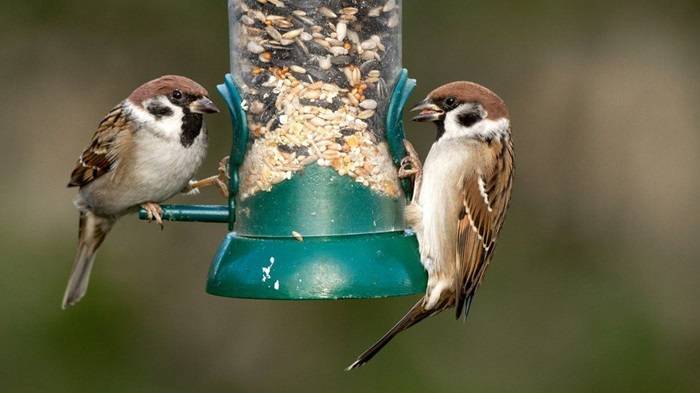
Feeding birds human foods, including saltine crackers, can pose several risks to their health and well-being. While birds may enjoy the taste of certain foods, their digestive systems are not adapted to process many of the ingredients found in human snacks. Some potential risks of feeding birds saltine crackers include:
Digestive Issues
Birds have sensitive digestive systems that may not tolerate certain ingredients found in crackers, such as refined flour, salt, and additives. Feeding birds foods high in salt or fat can lead to digestive upset, including diarrhea and dehydration.
Nutritional Imbalance
Saltine crackers lack the essential nutrients birds need to thrive, such as vitamins, minerals, and protein. Feeding birds an imbalanced diet can lead to nutritional deficiencies and health problems over time.
Choking Hazard
Saltine crackers are dry and brittle, increasing the risk of choking, especially for smaller bird species or fledglings. Birds may also struggle to swallow large pieces of crackers, leading to respiratory distress or blockages.
Attraction to Urban Predators
Feeding birds human foods can attract unwanted attention from urban predators such as rats, raccoons, and stray cats. These predators may prey on birds visiting feeding areas, putting them at risk of injury or predation
Alternatives to Saltine Crackers: Bird-Safe Treats
While saltine crackers may not be suitable for birds, there are plenty of bird-safe treats you can offer to your feathered friends. Here are some alternatives that provide nutritional benefits without the risks associated with human foods:
Fresh Fruits
Offer birds a variety of fresh fruits, such as apples, berries, grapes, and melons. Fruits are rich in vitamins, minerals, and antioxidants, making them a healthy and delicious treat for birds of all species.
Nutritious Seeds and Nuts
Provide birds with a mix of nutritious seeds and nuts, including sunflower seeds, peanuts (unsalted), almonds, and walnuts. These foods are high in protein, healthy fats, and essential nutrients, supporting birds’ overall health and vitality.
Mealworms and Insects
Offer birds a protein-rich snack by providing mealworms, crickets, or other live insects. Insects are an essential part of many birds’ diets, especially during the breeding season when adults need extra energy to raise their young.
Commercial Bird Treats
Consider purchasing commercially available bird treats specifically formulated for your feathered friends. These treats are designed to meet birds’ nutritional needs and come in a variety of flavors and textures to appeal to different species.
In conclusion, while birds may enjoy the taste of saltine crackers, these snacks are not suitable for their dietary needs and can pose risks to their health and well-being. Feeding birds human foods, including crackers, can lead to digestive issues, nutritional imbalances, choking hazards, and increased predation risk.
Instead of offering birds saltine crackers, opt for bird-safe treats such as fresh fruits, nutritious seeds and nuts, live insects, and commercially available bird treats. These alternatives provide birds with essential nutrients, energy, and enrichment without the potential risks associated with human foods.
By understanding the nutritional needs of birds and offering them appropriate treats, we can help ensure that our feathered friends stay healthy, happy, and thriving in their natural habitats. So, the next time you want to treat the birds in your backyard, reach for bird-safe snacks that will nourish their bodies and delight their senses.
Can Birds Eat Saltine Crackers
Exploring Bird Feeding Practices
Beyond understanding the nutritional needs of birds and the risks associated with feeding them human foods, it’s essential to explore best practices for bird feeding. Proper bird feeding practices can promote bird health, reduce environmental impact, and enhance your birdwatching experience. Here are some tips for creating a bird-friendly feeding environment:
Choose Appropriate Feeders
Selecting the right feeders can attract a diverse range of bird species to your backyard. Consider using different types of feeders, such as tube feeders, platform feeders, suet feeders, and nectar feeders, to accommodate various feeding preferences. Additionally, choose feeders made of durable materials that are easy to clean and maintain.
Offer Fresh Water
Water is essential for birds’ hydration, especially during hot weather and drought conditions. Provide birds with a clean and reliable source of fresh water, such as a birdbath, fountain, or shallow dish. Keep the water clean and change it regularly to prevent the spread of disease and algae growth.
Provide Shelter and Protection
Create a bird-friendly habitat by planting native trees, shrubs, and flowers that provide food, shelter, and nesting sites for birds. Avoid the use of pesticides and herbicides, which can harm birds and other wildlife. Additionally, install predator deterrents such as baffles, cages, or motion-activated lights to protect birds from urban predators.
Practice Responsible Feeding
Feed birds responsibly by offering them nutritious foods that meet their dietary needs. Avoid feeding birds foods high in salt, sugar, or fat, as these can be harmful to their health. Monitor bird feeding areas regularly for signs of overcrowding, aggression, or disease, and take steps to address any issues that arise.
Maintain Cleanliness
Keep bird feeding areas clean and free of debris, spilled seed, and waste buildup. Regularly clean and sanitize bird feeders, birdbaths, and feeding areas to prevent the spread of bacteria, fungi, and parasites. Use a mild soap solution and a brush to scrub feeders thoroughly, rinse them with clean water, and allow them to dry completely before refilling.
Be Patient and Observant
Bird feeding is a rewarding hobby that requires patience, observation, and dedication. Take the time to observe birds’ behavior, feeding preferences, and interactions with other species. Keep a journal or record of the bird species you encounter, their feeding habits, and any notable observations or behaviors.
Educate Others
Share your knowledge and passion for bird feeding with others in your community. Educate friends, family members, and neighbors about the importance of bird conservation, responsible feeding practices, and the benefits of creating bird-friendly habitats. Encourage others to join you in supporting local bird populations and preserving natural ecosystems.
Support Conservation Efforts
Get involved in bird conservation efforts by supporting local birding organizations, wildlife rehabilitators, and conservation groups. Volunteer your time, resources, or expertise to help protect and preserve bird habitats, conduct bird surveys, and advocate for policies that benefit birds and their environments.
Related Post:
Discovering the Distinctive Charm of Aylesbury Ducks: A Classic Duck Breed
Cracking the Cayuga Duck Egg Mystery: Unveiling the Secrets of Cayuga Duck Eggs
Exploring the Essential Role of Duck Grit in Avian Health
By following these tips and guidelines, you can create a bird-friendly environment that attracts a diverse range of bird species and promotes their health and well-being. Remember to prioritize the nutritional needs of birds, offer them safe and nutritious foods, and provide them with clean water, shelter, and protection. By practicing responsible bird feeding and conservation, you can make a positive impact on bird populations and contribute to the enjoyment and appreciation of nature for generations to come.
