

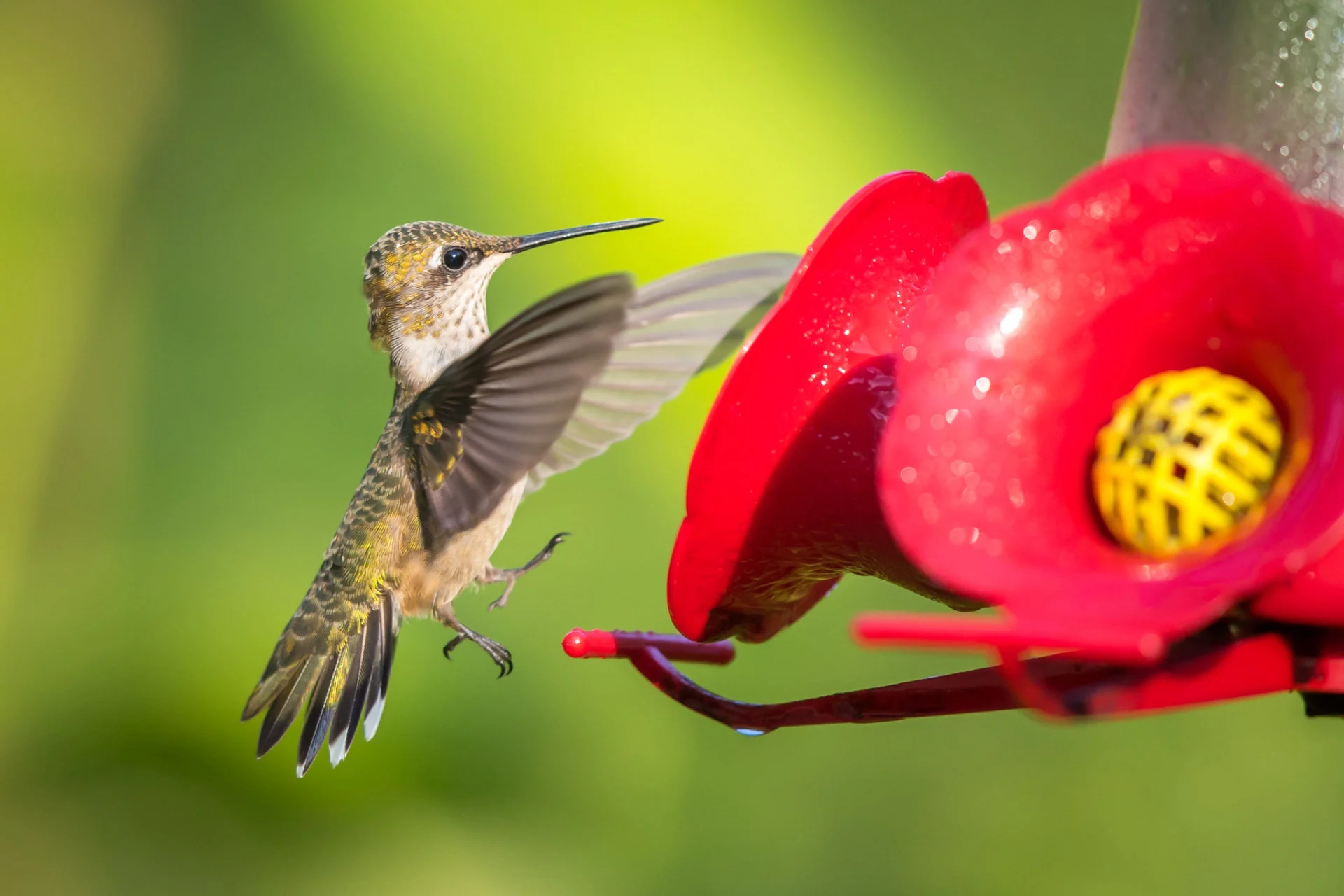
Hummingbirds are enchanting creatures that grace Maryland’s skies with their vibrant presence. These tiny birds, known for their iridescent plumage and rapid wingbeats, capture the hearts of birdwatchers and nature enthusiasts alike. However, as the seasons change, so do the movements of these remarkable avian species. In this article, we delve into the captivating phenomenon of hummingbird migration and explore the timing of their departure from Maryland.
Understanding Hummingbird Migration
Hummingbird migration is a remarkable feat of nature that involves thousands of miles of travel across continents. Despite their diminutive size, hummingbirds embark on long and arduous journeys to reach their wintering grounds. Understanding the intricacies of hummingbird migration requires delving into their biology, behavior, and the environmental factors that influence their movements.
The Biology of Hummingbirds
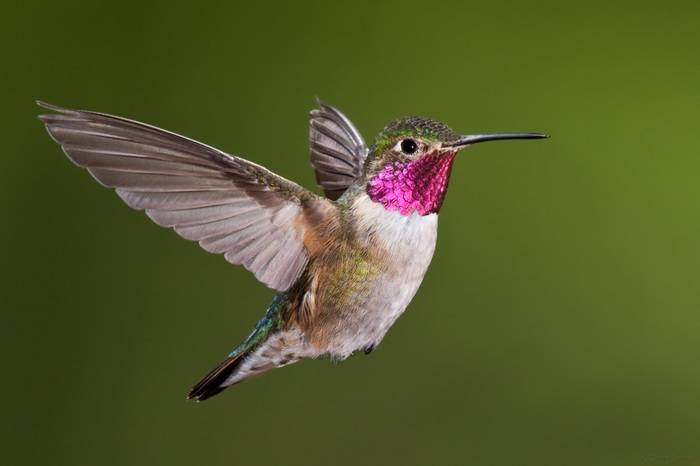
Hummingbirds belong to the family Trochilidae and are native to the Americas. With over 300 species distributed across North and South America, these birds exhibit a wide range of sizes, colors, and ecological adaptations. Despite their diversity, all hummingbirds share certain biological traits that make them uniquely suited for their aerial lifestyle.
Flight Adaptations
Hummingbirds are renowned for their extraordinary flying abilities, which are made possible by a combination of physiological and anatomical adaptations. Their wings are specialized for hovering and rapid forward flight, allowing them to move with remarkable agility and precision. Additionally, hummingbirds have high metabolic rates and unique respiratory systems that support their energy-intensive lifestyle.
Behavioral Patterns
Hummingbirds exhibit complex behavioral patterns that are closely tied to their migratory instincts. As migratory birds, they rely on environmental cues such as daylight length, temperature, and food availability to guide their movements. In the weeks leading up to migration, hummingbirds undergo physiological changes, including increased fat storage and hormonal fluctuations, in preparation for the long journey ahead.
Environmental Influences
Environmental factors play a crucial role in shaping hummingbird migration patterns. Changes in temperature, precipitation, and habitat availability can impact the timing and routes of migration. In Maryland, where hummingbirds are a common sight during the summer months, these environmental cues signal the onset of autumn and trigger the instinct to migrate.
The Timing of Hummingbird Departure from Maryland
Maryland serves as a critical stopover for hummingbirds during their migration, providing essential resources such as nectar-rich flowers and suitable habitat for rest and refueling. However, as summer transitions to fall, the days grow shorter, and temperatures begin to drop, signaling to hummingbirds that it is time to embark on their journey southward.
Late Summer Preparations
In late summer, Maryland residents may notice an increase in hummingbird activity as these birds fuel up in preparation for migration. As they voraciously feed on nectar from flowers and sugar water from feeders, they gradually build up the fat reserves needed to sustain them during the long flight ahead. Observant birdwatchers may also notice changes in behavior, such as territorial disputes and frenzied feeding bouts, as hummingbirds compete for resources before departing.
September Departures
September marks the peak of hummingbird migration in Maryland, with many individuals beginning their journey southward. As temperatures cool and daylight hours diminish, hummingbirds instinctively know that it is time to head towards warmer climates where food sources will remain abundant throughout the winter months. While some hummingbirds depart earlier in the month, others linger until later in September, taking advantage of favorable weather conditions before setting off on their migratory route.
Farewell to Maryland
By early October, most hummingbirds have bid farewell to Maryland, embarking on their epic journey across the Gulf of Mexico or along the eastern coast towards their wintering grounds in Central America or the Caribbean. While a few stragglers may linger for a bit longer, the majority of Maryland’s hummingbird population has already begun their southward migration, leaving behind memories of their fleeting presence until they return the following spring.
The departure of hummingbirds from Maryland marks the end of another chapter in their remarkable migratory journey. As these tiny birds vanish from backyard feeders and garden blooms, they leave behind a sense of wonder and anticipation for their inevitable return. By understanding the timing and dynamics of hummingbird migration, we gain a deeper appreciation for the interconnectedness of nature and the marvels of avian adaptation. As the seasons change and the cycle of migration continues, we eagerly await the return of these enchanting creatures to Maryland’s skies.
The Role of Citizen Science in Hummingbird Research
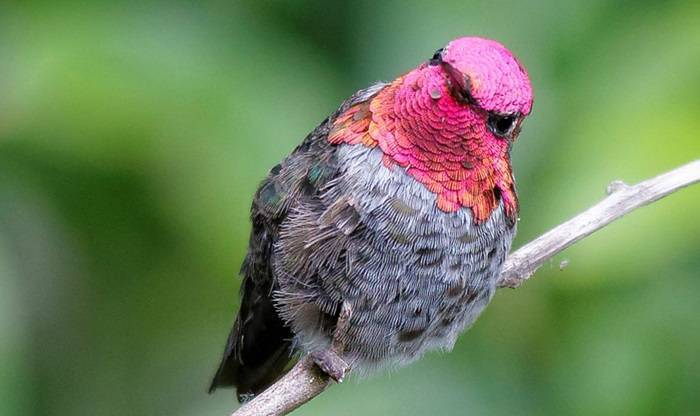
While scientists have made significant strides in understanding hummingbird migration through research efforts, citizen science plays a crucial role in supplementing these studies. Citizen scientists, including birdwatchers, nature enthusiasts, and backyard gardeners, contribute valuable data on hummingbird sightings and behavior through programs such as eBird and Journey North. By recording observations of hummingbird arrivals and departures, citizen scientists help track migration patterns and contribute to our collective understanding of these fascinating birds’ movements.
Tracking Hummingbird Migration
One of the most effective ways to track hummingbird migration is through the use of banding programs. Hummingbird banding involves capturing individuals, placing uniquely numbered bands on their legs, and releasing them unharmed. When recaptured or reported by citizen scientists, these banded birds provide valuable information about their movements, lifespan, and migratory routes. Banding studies have revealed intricate details about hummingbird migration, including the timing of departures from breeding areas and the locations of wintering grounds.
Climate Change and Its Impacts on Hummingbird Migration
Climate change poses significant challenges for migratory birds like hummingbirds, as alterations in temperature and precipitation patterns can disrupt traditional migration routes and timing. In recent years, researchers have documented shifts in the timing of hummingbird migration in response to changing environmental conditions. Warmer temperatures and earlier flowering of plants may prompt hummingbirds to depart from breeding areas sooner, while alterations in weather patterns could affect their ability to refuel during migration. Understanding how climate change affects hummingbird migration is essential for conservation efforts aimed at preserving these iconic species and their habitats.
The Importance of Habitat Conservation
Habitat loss and degradation pose serious threats to hummingbird populations across their range. As development encroaches on natural habitats, hummingbirds are increasingly forced to contend with habitat fragmentation and loss of essential resources. Conservation initiatives focused on preserving native plant communities, restoring degraded habitats, and reducing threats such as pesticide use and invasive species are critical for ensuring the long-term survival of hummingbirds. By protecting the habitats they rely on for breeding, foraging, and migration, we can help safeguard these enchanting birds for future generations to enjoy.
When Do Hummingbirds Leave Maryland
Educating and Inspiring Future Generations
Educational outreach and public engagement play vital roles in raising awareness about hummingbird migration and fostering a deeper connection to the natural world. Schools, nature centers, and conservation organizations offer opportunities for individuals of all ages to learn about hummingbirds through workshops, presentations, and hands-on activities. By inspiring a sense of wonder and appreciation for these remarkable birds, we can cultivate a new generation of stewards dedicated to protecting their habitats and ensuring their continued survival.
Also Read:
- Discovering the Enigmatic World of Rare Duck Breeds
- Unraveling the Complex World of Aggressive Male Duck Behavior
- Deciphering the Ideal Space Requirements for Ducks
Hummingbird migration is a captivating natural phenomenon that captivates birdwatchers and scientists alike. From their dazzling displays of aerial acrobatics to their remarkable feats of endurance, hummingbirds embody the resilience and adaptability of migratory birds. By studying their movements, tracking their migrations, and working together to conserve their habitats, we can help ensure that these iconic birds continue to grace Maryland’s skies for generations to come. As we marvel at the beauty and complexity of hummingbird migration, let us also recognize the importance of our role in protecting and preserving the natural world. Through collective action and a shared commitment to conservation, we can safeguard the future of hummingbirds and the ecosystems they inhabit.
