


Bluebirds are beloved songbirds known for their vibrant plumage, melodious songs, and gentle nature. Providing bluebirds with suitable nesting sites is essential for their survival, especially as natural habitats continue to disappear. Building a bluebird house is a rewarding way to attract these beautiful birds to your backyard while also contributing to their conservation. In this guide, we’ll explore the ins and outs of building bluebird houses, from selecting the right materials to designing the perfect nesting space for these cherished avian visitors.
Understanding Bluebirds’ Nesting Habits
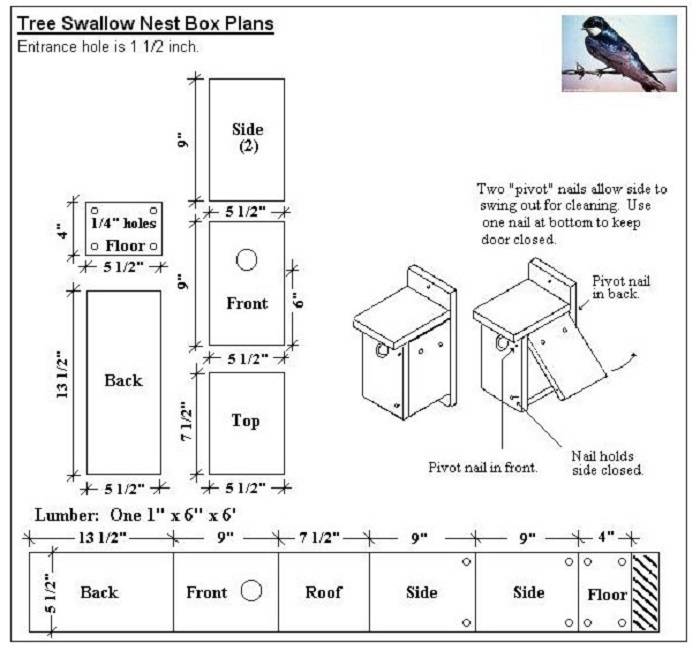
Before diving into bluebird house construction, it’s important to understand the nesting habits and preferences of bluebirds. Eastern bluebirds (Sialia sialis), Western bluebirds (Sialia mexicana), and Mountain bluebirds (Sialia currucoides) are the three species found in North America, each with similar nesting requirements. Bluebirds prefer open habitats with scattered trees or fence posts for perching and nesting. They typically seek out cavities in dead trees or old fence posts for nesting sites, making bluebird houses an ideal alternative in areas where natural cavities are scarce.
Selecting Materials for Bluebird Houses
When selecting materials for your bluebird house, it’s essential to choose durable, weather-resistant materials that will provide adequate protection for nesting birds. Cedar, cypress, and pine are popular choices for bluebird houses due to their natural resistance to decay and insects. Avoid using pressure-treated lumber or painted surfaces, as they may contain chemicals harmful to birds. Additionally, be sure to use galvanized or stainless steel hardware to prevent rusting and ensure the longevity of your bluebird house.
Designing Bluebird House Plans
Bluebird house plans can vary in design and construction, but there are several key features to consider when designing your bluebird house. The entrance hole should be 1.5 inches (3.8 centimeters) in diameter, large enough to accommodate bluebirds while deterring larger predators such as starlings and house sparrows. The interior dimensions of the nesting chamber should be approximately 5 inches (12.7 centimeters) square, with a depth of 8 to 10 inches (20 to 25 centimeters). Include ventilation holes near the top of the house to prevent overheating, and a hinged or removable roof for easy cleaning and monitoring of nesting activity.
Building Your Bluebird House
Once you have your bluebird house plans in hand, it’s time to roll up your sleeves and get to work! Start by cutting the pieces of lumber to size according to your bluebird house plans. Use a saw, drill, and appropriate fasteners to assemble the pieces into the desired shape, taking care to ensure that all joints are secure and tight-fitting. Pay attention to detail, as even small gaps or cracks can provide access points for predators or inclement weather. Once your bluebird house is assembled, sand any rough edges and apply a non-toxic sealant or finish to protect the wood and enhance its durability.
Installing Your Bluebird House

Choosing the right location for your bluebird house is crucial for attracting nesting bluebirds. Mount your bluebird house on a sturdy post or pole, approximately 4 to 6 feet (1.2 to 1.8 meters) above the ground, facing away from prevailing winds and direct sunlight. Position the entrance hole facing open habitat with scattered trees or shrubs, providing bluebirds with a clear line of sight and easy access to foraging areas. Avoid placing bluebird houses too close together, as bluebirds are territorial and may become aggressive towards neighboring pairs.
Monitoring and Maintaining Bluebird Houses
Once your bluebird house is installed, it’s important to monitor and maintain it regularly to ensure its continued effectiveness and safety for nesting birds. Check the house periodically for signs of damage, wear, or deterioration, and make any necessary repairs or replacements as needed. Clean out old nesting material after each breeding season to prevent the buildup of parasites and disease, and consider installing predator guards or deterrents to protect nesting birds from unwanted intruders. By taking proactive measures to care for your bluebird house, you can create a safe and welcoming haven for bluebirds in your backyard for years to come.
Blue Bird House Plans
Building a bluebird house is not just a DIY project; it’s a labor of love and a commitment to conservation. By providing bluebirds with suitable nesting sites, you can play a vital role in supporting their populations and ensuring their survival for future generations to enjoy. So gather your tools, choose your materials, and embark on the rewarding journey of building bluebird houses for the benefit of these cherished songbirds and the natural world as a whole.
