
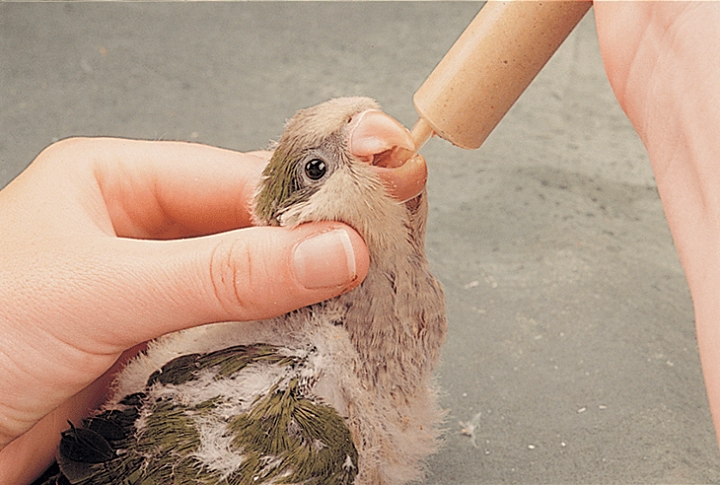
Raising baby birds, either from the wild or a breeding program, requires close observation of their developmental phases. Independent eating after parent or caregiver feeding is arguably the most critical experience in a young bird’s life. Establishing when baby birds start independent eating depends on their species, diet, and environmental conditions.
Development Stages of Baby Birds
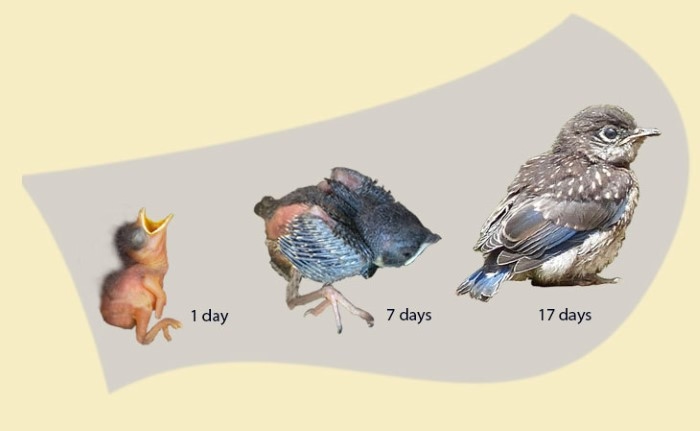
Baby birds undergo different stages prior to feeding themselves. Each of the stages plays a significant role in their development and survival.
Hatchling Stage (0-3 Days)
Recently hatched birds are blind, bare, and completely dependent on their parents for food and warmth. They require soft, regurgitated food given directly into their beaks during this stage.
Nestling Stage (3-14 Days)
Baby birds remain in the nest at this stage and are still taken care of by their parents. They develop feathers and eyes but are still unable to feed themselves.
Fledgling Stage (14-21 Days)
Once birds reach the fledgling stage, they leave the nest and begin to explore the environment. Their parents still feed them, but they also start pecking at food as they watch what their parents are doing.
Weaning Stage (3-6 Weeks)
It is the critical period when the baby birds get used to eating independently. Depending on the species, it may be weeks. The parents feed them but with less and less frequency, encouraging the young birds to hunt for their own food.
Juvenile Stage (6-12 Weeks)
By now, birds should be eating on their own. They no longer need to be fed by their parents and can eat in their environment now.
When Do Different Bird Species Start Eating on Their Own?
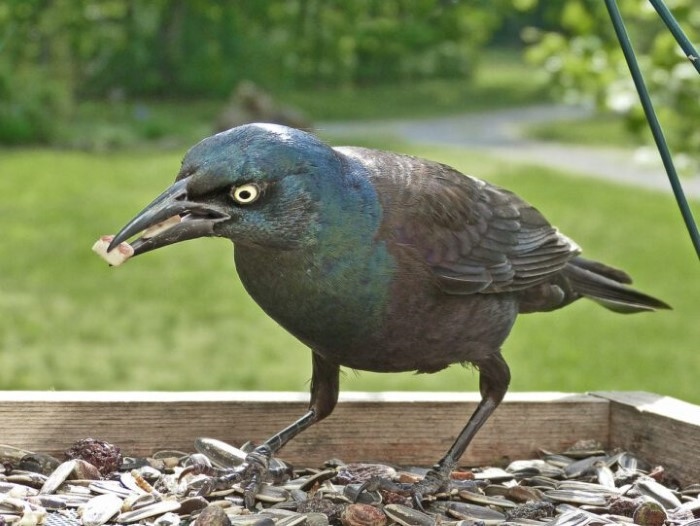
The time that birds start eating on their own varies from different bird species. Let us look at some of the most common birds and when they start eating on their own:
Bird Species and Their Weaning Age
| Bird Species | Age When They Start Eating on Their Own |
| Parrots | 8-12 weeks |
| Pigeons | 4-6 weeks |
| Sparrows | 3-4 weeks |
| Finches | 4-5 weeks |
| Doves | 4-6 weeks |
| Robins | 3-4 weeks |
| Canaries | 4-6 weeks |
Issues that Affect a Baby Bird’s Independence When Eating
Some issues dictate the pace at which a baby bird starts eating independently.
Species and Size
Larger bird species take longer to wean than smaller ones. Parrots, for instance, can take months, while finches do this within weeks.
Parental Guidance
Baby birds constantly fed and guided by parents are less likely to wean slowly. Orphaned or human-reared birds may take longer to acquire independent feeding.
Composition of Diet
Seed-eaters wean more slowly than insectivores. Birds that live on soft food as babies will adjust faster than birds learning to crack seeds.
Environmental Factors
Birds in controlled conditions, such as aviaries, can wean earlier since they have a guaranteed food supply and stable environment. Wild birds must learn survival tactics, which postpone weaning.
Caregiver’s Feeding Techniques
For hand-raised birds, the method of feeding influences the speed at which they become independent eaters. Spoon-feeding or syringe-feeding takes time to wean, whereas pecking at food accelerates the process.
How to Encourage Baby Birds to Eat Independently
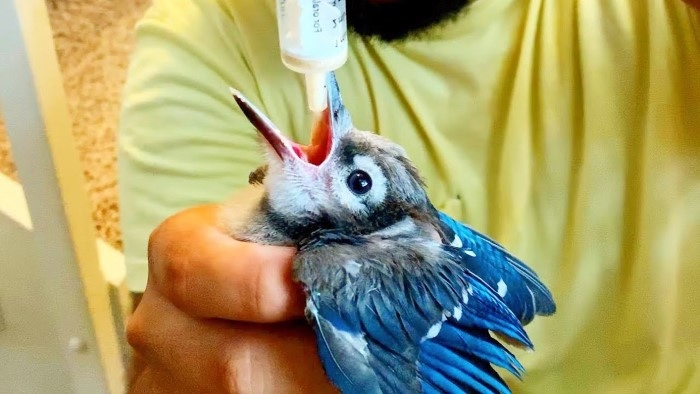
If you are in possession of baby birds, there are numerous ways of encouraging them to become independent eaters.
Start Solid Food Early
Once a bird has reached the fledgling stage, provide small quantities of soft food in close proximity to their feeding grounds. Mashed fruits, softened seeds, and soaked pellets are good options.
Watch and Copy Natural Parental Behavior
When it is feasible, allow young birds to observe adult birds feeding. They observe and imitate by nature and will do the same with their parents.
Gradual Hand-Feeding Withdrawal
For hand-raised birds, reduce frequency of feeding as they will get curious for solid foods. Put the food in a tray and get them to peck at it.
Vary the Food
Food and texture variety help stimulate curiosity towards independent feeding for a bird. Soaking grain, fruit, and insects helps stimulate discovery.
Pecking and Foraging Stimulus
Place food in different locations to trigger natural foraging behavior. This mimics finding food in the wild.
Monitor Progress
Ensure the bird is eating well on its own before stopping hand-feeding completely. If they are struggling, continue supplemental feeding for a few additional days.
Signs That a Baby Bird Can Eat on Its Own
Understanding when the baby bird is ready to fend for itself is crucial in maintaining its health and survival. Some of the most critical indicators include:
- Pecking at food independently without assistance
- Interest in food such as approaching food dishes or other birds
- Decreased reliance on parent feeding
- Normal weight without hand-feeding
- Opening seeds or swallowing soft food independently
Common Challenges in Weaning Baby Birds
Some baby birds struggle to transition to independent feeding. These are some of the most frequent issues and how to address them:
| Challenge | Solution |
| Refusal to eat solid food | Continue offering soft food and gradually wean from hand-feeding |
| Weight loss | Monitor food intake and supplement if needed |
| Difficulty cracking seeds | Provide pre-crushed seeds or soft pellets |
| Lack of interest in food | Try different food textures and places |
What to Do If a Baby Bird Is Not Eating on Its Own?
If a baby bird won’t eat on its own, use the following:
- Offer Proper Feeding Method – Feed using a shallow dish where food is readily available.
- Seek Health Issues – Refusal to eat could indicate sickness. Consult a veterinarian if necessary.
- Timely Social Feeding – Place the bird in with other birds of the same species to foster normal eating behavior.
- Offer Favorite Foods – Soaked insects or fruit may persuade reluctant eaters.
- Be Patient – Some birds are slower to change. Keep supplemental feeding going if needed.
When Do Baby Birds Start Eating On Their Own
FAQs
When do baby birds start eating on their own?
The majority of baby birds start eating independently at the age of 3 to 6 weeks, depending on the species.
Do parent birds stop feeding their chicks suddenly?
No, they gradually stop as the young birds are taught to feed themselves.
What do I give a learning-to-eat baby bird?
Soft foods like mashed fruits, soaked seeds, and insects can be given to wean birds.
How do I wean a baby bird to eat on its own?
Place food in front of them, have them watch other birds being fed, and gradually cut back on hand-feeding.
