

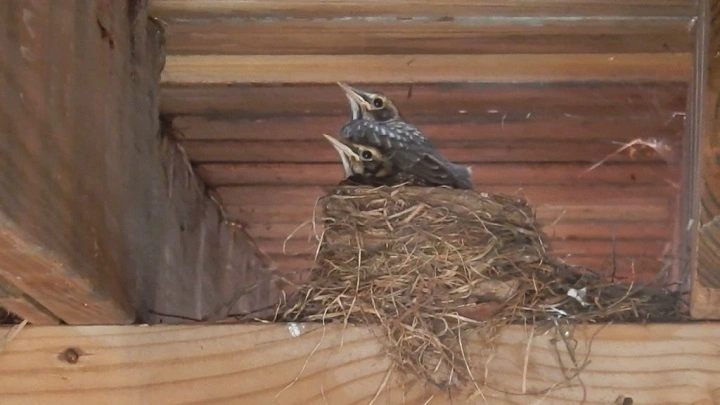
Birdsong may be sweet, but when birds build nests in gutters, vents, balconies, or other problematic spots, things can quickly turn messy. From droppings to blocked drainage, unwanted nests create maintenance issues and potential health concerns. That’s why knowing how to keep birds from making nests in unwanted places—without harming them—is essential for homeowners and businesses alike.
Preventing birds from nesting where they shouldn’t isn’t about hostility—it’s about redirecting their behavior humanely and smartly. Let’s explore safe, effective strategies to protect your property while keeping birds safe and undisturbed.
Why Do Birds Choose Unwanted Places to Nest?
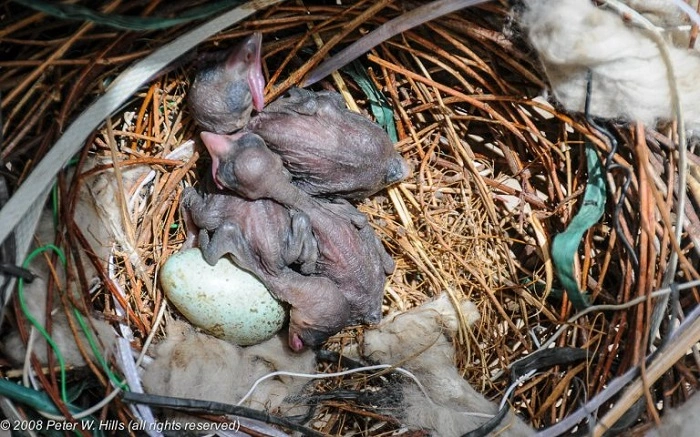
Birds don’t always pick scenic trees or birdhouses. They often choose:
Sheltered Areas
Vents, attic eaves, gutters, balconies, and chimneys offer protection from rain, predators, and wind.
Warmth and Accessibility
Birds are drawn to places that provide warmth and easy access. Dryer vents, exhaust pipes, and light fixtures mimic natural cavities.
Human Habitation
Human structures offer fewer predators and stable conditions. Urban birds have adapted to nesting on windowsills, store signs, even hanging flower pots.
Understanding their behavior helps us block access the right way.
Dangers of Unwanted Bird Nests
While birds are beautiful, their nesting in the wrong places can lead to:
- Clogged gutters causing water damage
- Fire hazards in vents or chimneys
- Foul odors from droppings
- Mites and other parasites entering homes
- Noise disturbances during breeding season
The earlier you take preventive steps, the easier it is to avoid these issues.
How to Keep Birds from Nesting Where They Shouldn’t
If you want to prevent birds from nesting in certain spots, these humane strategies work well for most households and buildings.
Install Bird Spikes
Bird spikes are harmless deterrents that make ledges, signs, and vents difficult to land or perch on. They’re effective in:
- Balcony railings
- Rooflines
- Window sills
- Signs and fixtures
Birds avoid uncomfortable surfaces, so these spikes prevent nesting without causing harm.
Use Bird Netting
Bird netting blocks access to larger areas like rooftops, courtyards, or warehouse openings. This method works best in:
- Carports
- Open garages
- Vines and gardens
- Industrial sites
Make sure it’s taut and secure so birds don’t get tangled.
Block Small Openings
Inspect your home or building for any entry points. Use:
- Hardware cloth
- Caulk
- Foam sealant
- Metal flashing
Close off vents, gaps under roof tiles, and attic entrances before nesting season begins—ideally late winter or very early spring.
Apply Reflective Deterrents
Birds dislike shiny, moving objects. Hang items like:
- Old CDs
- Aluminum foil strips
- Reflective tape
- Pinwheels
- Wind chimes
These create visual disturbance and discourage nesting. They work well on balconies, awnings, and fences.
Use Safe Scent Deterrents
Certain smells naturally repel birds. Try using:
- Peppermint oil
- Garlic oil
- Vinegar-based sprays
Apply these around nest-prone areas, reapplying after rain. Avoid commercial chemical sprays that can harm birds or pets.
Keep the Area Clean
Birds often return to places where they’ve nested before. After safely removing an old nest:
- Clean the area thoroughly
- Disinfect with mild soap or vinegar
- Remove droppings and nesting debris
- Cover or seal the area quickly
A clean surface with no scent trail deters future nesters.
Install Motion-Activated Devices
Motion-activated water sprayers or sound emitters can startle birds gently when they approach restricted zones.
- Use on lawns, patios, or eaves
- Choose options with wildlife-safe settings
- Combine with visual deterrents for best results
Set Up Birdhouses Away from Problem Spots
Redirect birds by offering an alternative. Install birdhouses:
- Away from your home’s roof or vents
- In a nearby tree or quiet corner of the yard
- Elevated, safe from ground predators
If birds have a better option nearby, they’re less likely to nest in unwanted places.
What to Do If Birds Already Built a Nest?
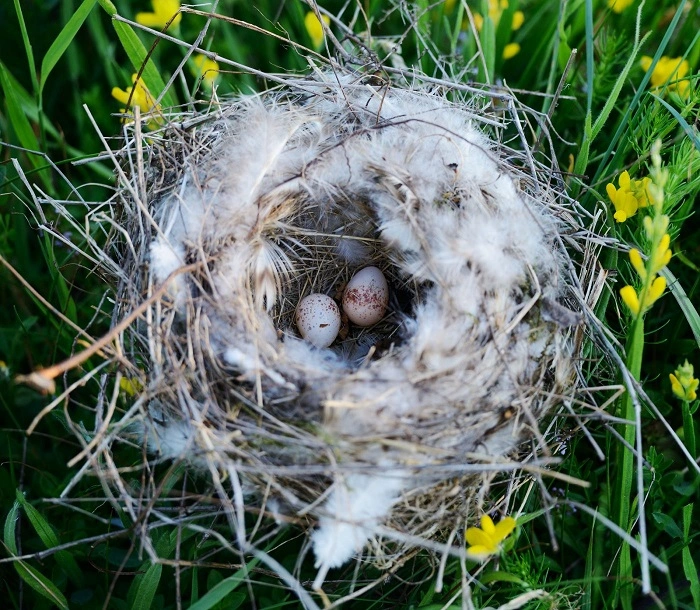
If a bird has already made a nest, you may need to wait. In many countries, including the U.S., disturbing or removing active nests is illegal.
- Wait until the nesting season is over
- Monitor until eggs hatch and the fledglings leave
- Then, clean and seal the area to prevent reuse
If the nest poses a hazard or is inside vents or chimneys, contact a local wildlife expert for advice on safe removal.
When to Start Bird Nest Prevention
The best time to act is before birds begin to nest. For most species, nesting season begins in early spring. Take action in late winter to block or treat potential nesting spots.
Preventive steps taken early will save time, money, and unnecessary stress—for you and the birds.
Common Areas Birds Love to Nest
- Dryer and stove vents
- Chimneys
- Attic vents and eaves
- Porch rafters
- Garage openings
- Roof gutters and downspouts
- Light fixtures and ceiling fans
- Outdoor AC units or solar panels
Inspect these regularly, especially during early spring and summer.
Legal and Ethical Considerations
Always check your local wildlife regulations. Many bird species are protected, and it’s illegal to:
- Remove or damage active nests
- Disturb nesting birds
- Harm birds with chemicals or traps
Humane prevention methods are always the best choice.
FAQs about Preventing Bird Nests in Unwanted Places
Why do birds keep nesting in the same place?
Birds return to previous nesting spots if they feel safe and undisturbed. Cleaning and sealing the site after nesting season is key to prevention.
Are bird spikes cruel?
No. Bird spikes don’t hurt birds—they simply prevent them from landing and settling. They’re a humane, effective deterrent.
Can I remove a bird nest from my vent?
Only after ensuring it’s inactive. Active nests are protected in many regions. Call wildlife control if you’re unsure.
How do I keep birds away without hurting them?
Use deterrents like netting, shiny objects, peppermint oil, and motion sensors. Never use traps or harmful sprays.
What smells do birds dislike?
Birds avoid strong scents like peppermint, garlic, vinegar, and chili. These can be used in sprays to discourage nesting.
