

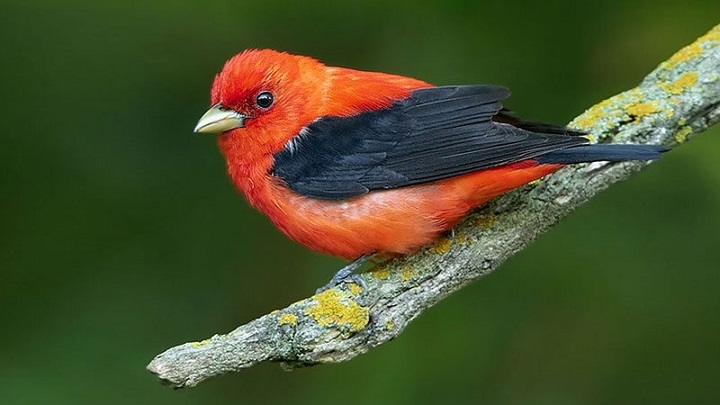
Bird watching is more than just a hobby—it’s a gateway to understanding nature, science, and conservation. And when it comes to learning everything about birds, Cornell Lab of Ornithology’s All About Birds platform is one of the most trusted, detailed, and beginner-friendly resources out there. Whether you’re a seasoned birder or just starting out, this online tool offers a wealth of information on bird species, sounds, behavior, and how to get involved in bird conservation efforts.
What is All About Birds Cornell?
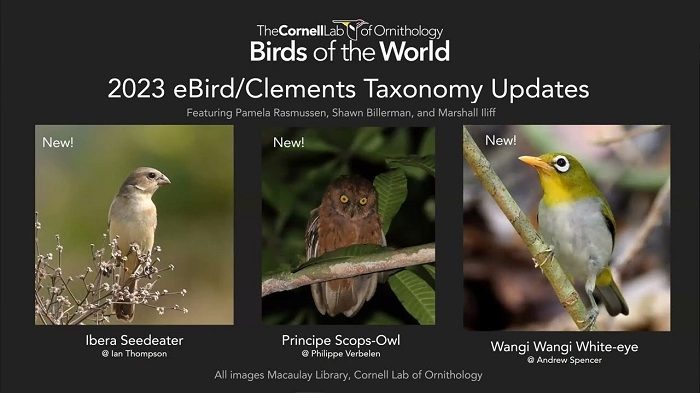
All About Birds is a comprehensive bird guide created by the Cornell Lab of Ornithology, a world leader in bird science and conservation. Launched in the early 2000s, the website serves as a free, go-to resource for bird identification, birding tips, audio recordings of bird calls, and expert insights into bird behavior and habitats.
Key Features of All About Birds
Detailed Bird Species Profiles
One of the most useful sections of the platform is its bird guide, which covers over 600 North American species. Each bird profile includes:
- High-quality photos
- Range maps
- Bird songs and calls
- Behavioral traits
- Habitat information
- Similar species comparisons
Bird ID Tool
Can’t remember the name of that bird you saw? The Bird ID tool helps you identify birds based on size, color, location, and behavior. It’s especially helpful for beginners and casual birders.
Live Bird Cams
The Cornell Lab offers live bird cams streaming from different habitats like backyards, feeders, and nests. It’s a wonderful way to watch birds in real time and learn about their daily activities, feeding habits, and interactions.
Bird Songs and Calls Library
Want to learn how different birds sound? All About Birds has an extensive audio collection where you can hear birds chirping, calling, and singing. This helps birders identify species by ear, an essential skill in bird watching.
Science and Conservation Insights
The platform doesn’t just stop at bird ID—it also covers conservation efforts, migration studies, and citizen science projects like eBird and Project FeederWatch. You can read up-to-date research, find ways to help birds in your area, and join global tracking initiatives.
Birding Tips and How-To Articles
New to birding? The site includes guides on choosing binoculars, setting up feeders, attracting birds to your garden, and observing ethically. There’s something for everyone, from kids to advanced hobbyists.
eBird Integration
All About Birds connects directly to eBird, another Cornell platform that allows users to log sightings and contribute to global bird data. By using both platforms together, you can identify birds and track your own bird-watching experiences.
How to Use All About Birds
- Visit the official website: allaboutbirds.org
- Use the search bar to look up specific birds or topics
- Explore categories such as “Birds A–Z,” “Get Involved,” “Bird ID,” and “Live Cams”
- Sign up for free newsletters and updates to stay in the loop with bird news and conservation efforts
- Use it as a teaching tool for kids, classrooms, or personal curiosity
Why All About Birds Is a Favorite Among Bird Lovers
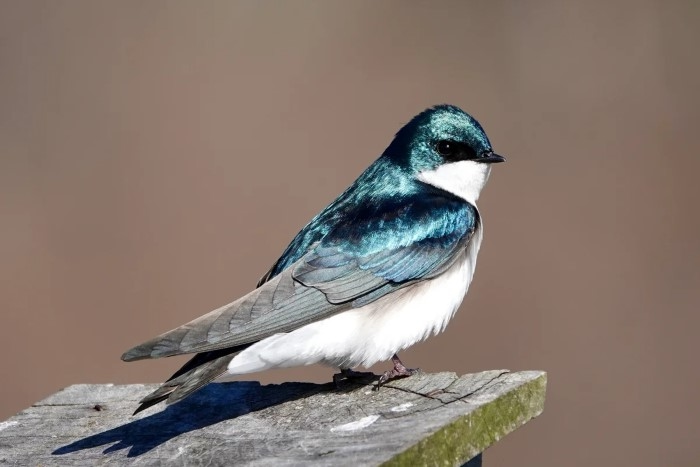
- It’s free and accessible to everyone
- Backed by science and ornithology experts
- Constantly updated with new research and information
- Community-driven, with contributions from birders around the world
- Beginner-friendly layout and tools
Other Cornell Bird Initiatives Worth Exploring
- eBird – for logging and analyzing bird sightings
- Merlin Bird ID App – an AI-powered tool to identify birds with your phone
- Bird Academy – offers paid and free courses on bird biology, identification, and photography
- NestWatch – monitors nesting birds to help track breeding trends
All About Birds by Cornell is more than just a bird-watching site—it’s an educational powerhouse for anyone passionate about birds and the environment. Whether you want to identify a backyard visitor, learn a new bird call, or dive deep into the science behind migration, this platform offers everything in one place. Start your birding journey today and see how much more you can discover when you look to the skies.
