

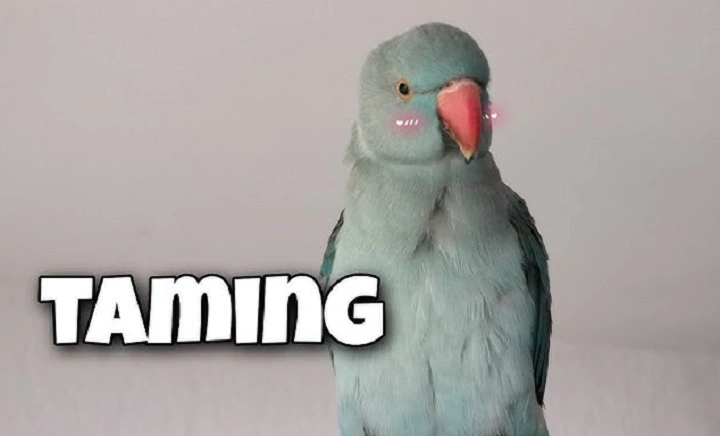
The ringneck bird, commonly known as the Indian Ringneck Parakeet, is a vibrant and intelligent bird species beloved by bird enthusiasts worldwide. Known for its striking colors, distinctive neck ring, and playful personality, the ringneck bird makes a fascinating pet and an engaging subject for bird watchers. This blog post explores the characteristics, habitat, care tips, and interesting facts about the ringneck bird.
What Is a Ringneck Bird?
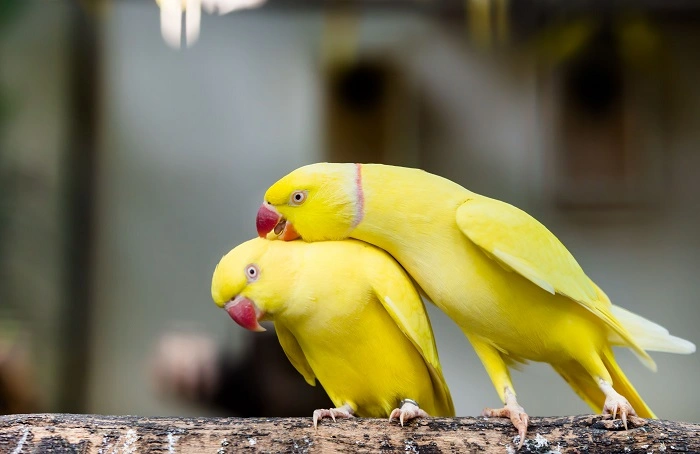
The term “ringneck bird” usually refers to the Indian Ringneck Parakeet (Psittacula krameri). This medium-sized parrot species is famous for the bold colored ring around its neck—males typically have a prominent black and rose-colored ring, while females and juveniles often lack the full ring.
Appearance
- Color: Usually bright green with a long tail; some color mutations include blue, yellow, and albino.
- Size: Approximately 16 inches (40 cm) long from beak to tail.
- Distinctive Marking: The colored “ring” around the neck, more visible in males.
- Beak: Strong red or orange beak suited for cracking seeds and nuts.
Natural Habitat and Behavior
Ringneck birds are native to parts of Africa and South Asia, thriving in woodlands, forests, and urban areas. They are social, often seen in flocks, and known for their loud, melodic calls.
Personality Traits
- Highly intelligent and capable of mimicking human speech.
- Curious and playful, requiring mental stimulation.
- Social but can be independent if trained well.
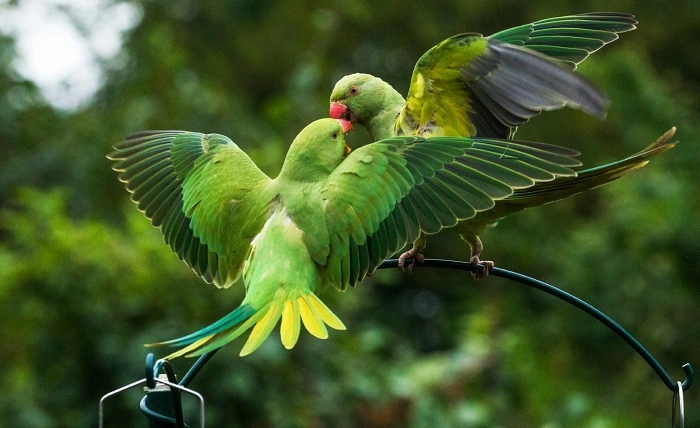
- Can sometimes be territorial, especially during breeding.
Caring for Your Ringneck Bird
If you’re considering a ringneck bird as a pet, it’s essential to understand its care requirements.
Housing
- Spacious cage with room to fly and climb.
- Provide perches of varying thickness and materials.
- Safe, chewable toys for enrichment.
Diet
- Balanced diet of seeds, pellets, fresh fruits, and vegetables.
- Avoid avocado, chocolate, caffeine, and alcohol as they are toxic to birds.
Social Interaction
- Daily interaction to prevent loneliness and boredom.
- Training sessions help develop speaking ability and reduce behavioral problems.
Health
- Regular veterinary check-ups.
- Watch for signs of illness like feather plucking, changes in droppings, or lethargy.
Interesting Facts About Ringneck Birds
- Known for their clear, human-like speech and wide vocabulary.
- Can live up to 25-30 years in captivity with proper care.
- The male’s ring develops fully around 18 months to 3 years of age.
- Sometimes considered pests in agricultural areas due to their feeding habits.
FAQs About Ringneck Birds
How do I tell if my ringneck bird is male or female?
Males have a distinctive black and rose-colored ring around their necks, usually visible after 18 months. Females generally lack this ring.
Can ringneck birds talk?
Yes, they are excellent mimics and can learn a large vocabulary with consistent training.
What is the best diet for a ringneck bird?
A mix of high-quality pellets, seeds, fresh fruits, and vegetables works best.
How much space does a ringneck bird need?
They require a large cage with enough space to flap wings and exercise, plus daily out-of-cage time if possible.
Are ringneck birds good pets for beginners?
They can be, but their intelligence and social needs mean they require time, patience, and commitment.
The ringneck bird’s vibrant colors, playful nature, and talking ability make it a delightful companion for bird lovers. Understanding their unique needs and behaviors is key to providing a happy, healthy environment. Whether you’re an experienced bird owner or a curious enthusiast, the Indian Ringneck Parakeet offers endless fascination and joy.
