

Have you ever seen a bird in your yard or on a walk that looks just like a cardinal—but it’s gray? If you’ve spotted a gray cardinal-looking bird, you’re not alone. Many birdwatchers across North America report seeing a familiar shape and crest but with a completely different color.
In this post, we’ll explore what this mystery bird might be, which species resemble cardinals in posture and features, and how to confidently identify what you’re seeing in your backyard.
What Causes the Confusion?
Cardinals are easy to recognize thanks to their red feathers, black face mask, and upright crest. But nature doesn’t always stick to bold colors. Several birds closely mimic the cardinal’s size and body shape but come in softer shades like gray, tan, or light brown.
From a distance or in dim light, these birds can look very much like cardinals—especially if they share that signature crest and chunky beak.
Female Northern Cardinal
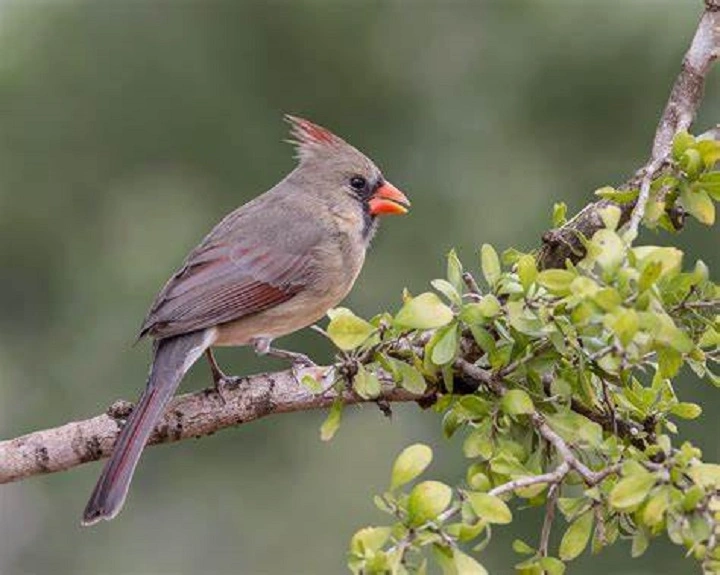
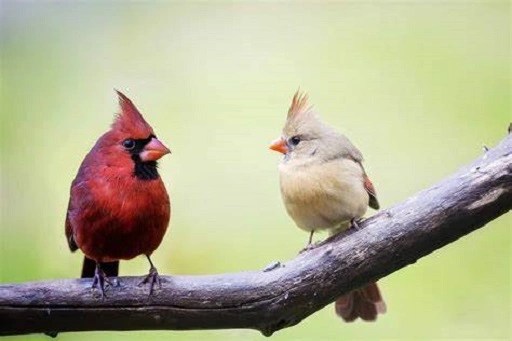
The most likely explanation for a gray cardinal-looking bird is the female northern cardinal. Unlike the bright red male, the female is much subtler in color. She has a pale brown or gray-tan body, with hints of red on the wings, tail, and crest.
She shares the same posture, body size, and features as the male, including a prominent orange-red beak and black markings around the eyes. Many people are surprised to learn that female cardinals look this way, especially if they’ve only noticed the red males before.
If the bird you saw had a muted body tone but a familiar beak and behavior, it was likely a female cardinal.
Other Birds That Look Like Gray Cardinals
If you’re sure it wasn’t a female cardinal, there are a few other species worth considering. These birds have similar crests, size, or behavior that could lead to confusion.
Pyrrhuloxia
Often called the desert cardinal, the pyrrhuloxia is found in the American Southwest. It looks a lot like a cardinal but has a grayish body with red accents on the face, belly, and tail. The beak is yellow and slightly curved, and the face mask is less pronounced than a northern cardinal.
If you live in Texas, New Mexico, or Arizona, and see a bird that looks like a faded cardinal with a yellow beak, you may be looking at a pyrrhuloxia.
Tufted Titmouse
The tufted titmouse is a smaller bird with a gray body and a noticeable crest. It’s more active and twitchy than a cardinal and usually found in mixed flocks with chickadees and nuthatches.
It lacks the red coloration and has no face mask, but its gray coloring and head crest make it easy to confuse with a cardinal at first glance—especially for new birdwatchers.
Phainopepla
This sleek bird lives in the arid regions of the Southwest. It has a dark gray to black body, a long tail, red eyes, and a crest that resembles a mohawk. While slimmer and glossier than a cardinal, it has similar posture and confidence.
Phainopeplas are often perched alone and are not common in suburban areas, but if you live near desert landscapes, they might be the culprit.
Juvenile or Molting Cardinal
In late summer or early fall, male cardinals go through molting and can look very different. Their feathers may appear patchy, and their normally bright red tones can fade into gray or dull brown. Juvenile cardinals also lack full color for a few months after fledging.
If the bird you saw had the right shape but dull or uneven colors, it could be a male in transition or a young bird not yet fully colored.
How to Identify the Bird
If you want to be sure about what you saw, try paying attention to a few specific features. These small details can help you rule out lookalikes and get a confident ID.
- Beak shape and color: Cardinals and pyrrhuloxia have thick, cone-shaped beaks. Titmice and phainopeplas have thinner, more pointed beaks.
- Crest style: A cardinal’s crest is long and full. Titmice have shorter crests, and phainopeplas have a spiky look.
- Facial markings: Cardinals and pyrrhuloxia have black or red masks, while titmice and phainopeplas have plain faces.
- Movement and behavior: Cardinals move calmly and sing clearly. Titmice are fast and fluttery. Phainopeplas are still and quiet.
- Presence of red: Any hint of red on the wings or tail could suggest a cardinal or a pyrrhuloxia.
Taking a photo or video, even with a phone, can help you compare later. You can also upload the image to a bird ID app or share it in a local birding group for help.
Why Cardinal Lookalikes Matter
The northern cardinal is one of the most recognizable and admired birds in North America. It’s the state bird in seven U.S. states, and its bold appearance makes it a favorite among birders and casual observers alike.
But lookalikes are just as interesting. Learning to tell them apart helps sharpen your observation skills and deepens your connection to local wildlife. Understanding these subtle differences adds another layer of enjoyment to backyard birdwatching.
It also reminds us that female and juvenile birds are just as beautiful and worthy of attention—even if they’re not as brightly colored as their male counterparts.
FAQs About Gray Cardinal Looking Birds
Is there such a thing as a gray cardinal?
Not officially. Most gray cardinal-like birds are either female cardinals, pyrrhuloxias, or birds with a similar shape and crest.
Are female cardinals completely gray?
They’re more of a light brown-gray with soft red highlights on the crest, wings, and tail. They can appear gray from a distance or in shadow.
Can cardinals change color due to weather or health?
Cardinals molt once a year, and during that time, their color can look patchy or dull. They don’t turn gray permanently, but their appearance can shift for a few weeks.
What bird looks like a cardinal but has a yellow beak?
That’s likely the pyrrhuloxia. It has a gray body with red highlights and a curved yellow beak.
How can I attract cardinals and their lookalikes?
Use sunflower seeds or safflower in platform feeders, provide dense shrubs for shelter, and keep a clean bird bath nearby.
That gray cardinal-looking bird in your yard probably isn’t a mystery after all. It could be a female cardinal, a desert cousin like the pyrrhuloxia, or another crest-wearing species like the tufted titmouse. With a little observation, you can learn to spot the differences and enjoy the variety of feathered visitors that come your way.
Next time you see one perched on a branch or visiting your feeder, take a closer look—you might just discover a new favorite among the quiet stars of your backyard.
