

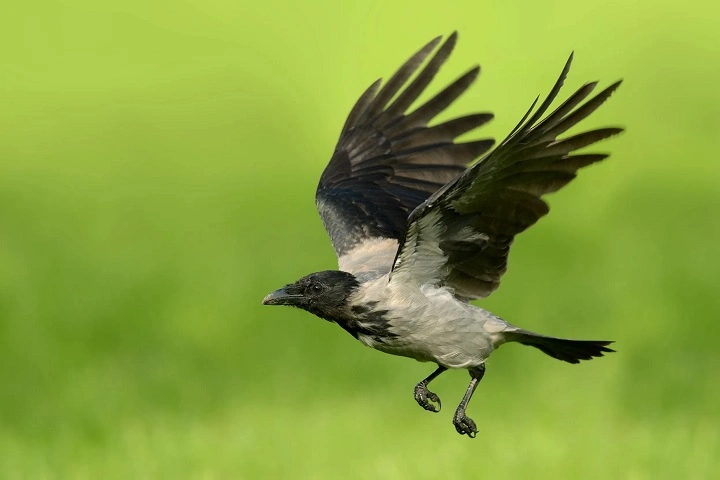
You see a black bird on the fence. Sleek. Alert. Dark eyes that seem wise beyond their age. Instinct whispers—”It’s a crow.” But is it?
Not necessarily. There are numerous birds that wear the same black cloak. Some are the same size. Some when flying. Others when calling. To the novice eye, the differences become blurred.
This guide will make it clear. You’ll meet the common “crow look-alikes.” Learn how to tell them apart. Discover traits, calls, and habits. By the end, you’ll know exactly what bird you’re seeing when black wings cut across the sky.
Why So Many Birds Look Like Crows
Black is simple. Black is powerful. Nature uses it again and again.
- Camouflage: Black feathers blend into night.
- Heat regulation: Black feathers help to control in colder environments.
- Symbolism: In the majority of the world’s cultures, black birds were considered to be mysterious or omens.
Therefore, numerous non-crow kin evolved similar coats. They trick us into making the wrong guesses.
Quick Field Tips: Discovering the Difference
When you take a black bird into custody, take a moment. Use this checklist.
- Size: Medium on crows, larger than a pigeon but smaller than a raven.
- Tail shape: Crow’s tail is fan-shaped. Raven’s is wedge-shaped.
- Call: “Caw-caw” is a normal crow. Other birds rasp, chirp, or whistle.
- Beak: Crows have sturdy, slightly curved beaks. Some mimics have thin or straighter ones.
- Flight: Crows beat consistently. Others glide more frequently.
Ravens and Crows
Most frequent misidentification. Raven or crow?
- Ravens: Larger. Near hawk size. Wedge-shaped tails. Deep, raspy “gronk” call. Often alone or in pairs.
- Crows: Smaller. Fan-shaped tails. Normal “caw-caw.” More social—found in flocks.
Consider ravens as the “giant cousins” of the crow.
Rooks: The Thin Imitators
In Asia and Europe, rooks are indistinguishable from crows at first glance.
Characteristics:
- Pale bare patch at base of beak.
- Slender in build compared to a crow.
- Social, in large flocks.
- Call: More “croaky” than the harsh caw of the crow.
More likely farmers to see rooks scrounging around fields, while crows patrol much farther afield.
Jackdaws: The Little Shadows
Little, brighter-eyed cousins.
Characteristics
- Shorter, stouter than crows.
- Blinding pale silvery eyes.
- Soft “tchack” calls.
- Usually in flocks, roosting in church steeples or chimneys.
If you catch a glimpse of a small black bird with ghostly eyes—it’s not a crow, but a jackdaw.
Grackles: The Glossy Pretenders
Common grackles are widespread across North America and make many people think “crow.”
Characteristics:
- Slightly smaller and thinner than crows.
- Rainbow-hued feathers—blues, purples, greens glint in sunlight.
- Yellow eyes seem stark.
- Call: Harsh whistles and squeaks.
Glowing nearby, grackles are oil on water.
Blackbirds: The Day-to-Day Misconception
“Blackbird” is a generic term. Actual blackbirds differ from crows.
Features:
- Smaller, robin-sized.
- Yellow or orange beaks (males).
- Singing songs, not caws.
- Tend to stay in gardens, not open sky.
They may sport the same coat, but their song gives them away.
Starlings: The Chameleons
In groups, starlings can be mistaken for small crows.
Features:
- Short tails, stout bodies.
- Iridescent spots on feathers—like specks of stardust.
- Flocks travel as one bird, making gigantic sky forms (murmurations).
- High, piercing whistles, clicks, and imitations.
A sunset roosting cloud of birds is probably starlings.
Cowbirds: Sneaky Neighbors
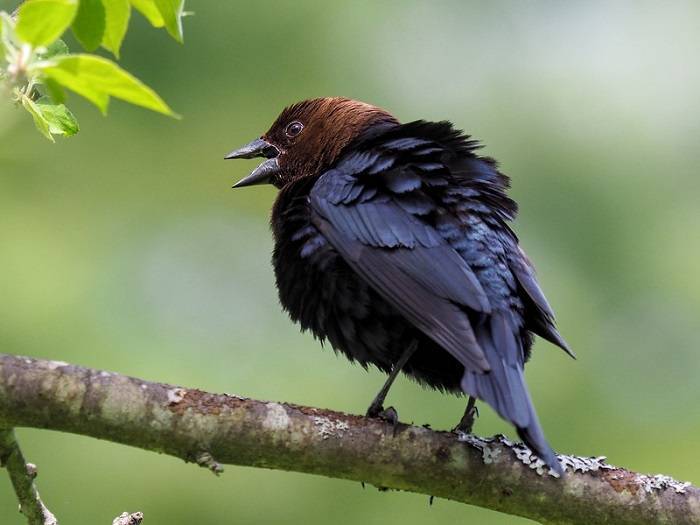
Brown-headed cowbirds look dark from a distance.
Traits:
- Slightly smaller than crows.
- Glossy black bodies, but males have brown heads.
- Straight, short bills.
- Accused of laying eggs in other birds’ nests.
They will roost like crows, but their parasitic parentage set them apart.
Shiny Cowbirds & Brewer’s Blackbirds
Two other dark-feathered mimics turn up in the Americas.
- Brewer’s Blackbird: Slenderer than a crow. Male glossy black, brownish-colored female.
- Shiny Cowbird: Shiny purplish-blue sheen. Smaller with narrower bills than crows.
Both are likely to intermingle in flocks that puzzle the observer.
Magpies: The Split-Coat Tricksters
Not all that resembles a crow is as black as coal. Magpies are in the same family but wear black and white.
Characteristics:
- Long tails, often iridescent blue-green.
- Loud, chattering calls.
- Clever, just like crows.
- In fields and around farms.
Call them the “painted cousins” of the crow.
Currawongs and Australian Ravens
There is still confusion in Southwest Australia.
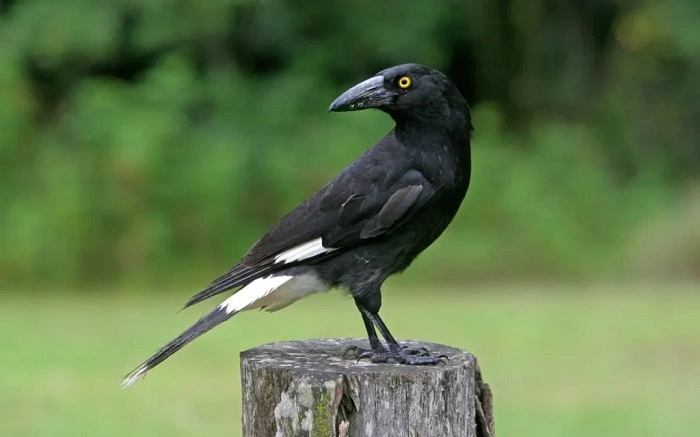
- Currawongs: Yellow, narrow eyes, ringing, loud calls. Black but more slender than crows.
- Australian Ravens: Similar to true ravens, long, mournful cries.
Both fool the inexperienced eye into announcing them a “crow.”
Ani Birds: Tropical Mimics
In Central and South America, anis are similar to crows but of a different family.
Features:
- Long tails.
- Slender, ridged beaks.
- Travel in noisy flocks.
- Calls: Squeal and whine, unlike crow caws.
A tropical echo of the crow shape.
Handy Comparison Table
| Bird | Size vs. Crow | Key Features | Call |
| Raven | Larger | Wedge tail, heavy bill | Deep “gronk” |
| Rook | Similar | Bare skin near bill base | Croaky |
| Jackdaw | Smaller | Pale eyes, shorter body | “Tchack” |
| Grackle | Little smaller | Glossy plumage, yellow eyes | Squeaks/whistles |
| Blackbird | Much smaller | Yellow bill, melodic song | Musical |
| Starling | Smaller | Speckled plumage, flock forms | Whistles/clicks |
| Cowbird | Smaller | Brown head (males) | Thin chatter |
| Magpie | Similar | Black & white, long tail | Chattering |
| Currawong | Similar | Yellow eyes, sleek | Loud ringing |
| Ani | Similar | Long tail, ridged bill | Whines |
Red Flags: When You Think “Crow” but It’s Not
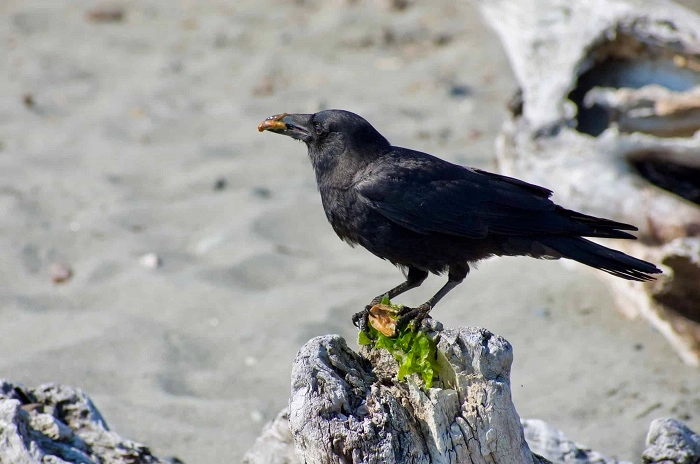
- Size guess: Raven, and not crow, big bird.
- Shiny feathers: Iridescence = grackle or starling.
- Song vs. caw: Crow’s sweet singing means it can’t be a crow.
- Tail shape: Wedge = raven. Fan = crow.
- Eyes: Pale or yellow eyes? Not a crow.
Believe these clues.
How to Train Your Eye
Bird-watch hobbyist? Practice makes perfect vision.
- Binoculars. Keep an eye open for beaks and tails.
- Listen as much as you look. Calls tell stories.
- Compare in pairs: Watch crows and ravens side by side.
- Sighting journal. A few notes make memories clear.
- Walk early morning and late afternoon—the crow imposter’s prime time.
Within moments, you’ll pick up on differences instinctively.
FAQs: Birds That Look Like Crows
Which bird is most often confused with a crow?
Ravens. They are a dead ringer with dark plumage and overall shape but bigger and with a different voice.
Are grackles corvids?
No. They are blackbirds, not corvids.
How can I distinguish a rook from a crow?
Look for pale, thin skin beneath the base of the beak—rooks only.
Is the magpie a relation of the crow?
Yes. Both members of the same cunning family of corvids.
Do starlings mimic crows?
Yes, from afar. In flight, they can be confusing. But their flashing spots and voice betray them.
Not all black birds are crows. There are ravens. Some rooks, jackdaws, grackles, or starlings. Some glimmer with hidden color. Others make a trill instead of a caw.
Next time you see something dark flying by, wait. Look once more. Note the tail, the bill, the call. Each clue is a key.
Crows possess their own magic. But there are other birds like them that possess magic too. The world is not one-dimensional black—it’s an entire chorus of it.
