


Water birds, also known as aquatic birds or waterfowl, are a diverse group of avian species that inhabit various aquatic habitats, including lakes, rivers, wetlands, and coastal areas. From graceful swans to agile diving ducks, water birds have evolved a wide array of adaptations to thrive in their watery environments. In this blog post, we embark on a journey to explore the fascinating world of water birds, discovering their unique characteristics, behaviors, and ecological roles.
Understanding Water Bird Classification
Order Anseriformes:
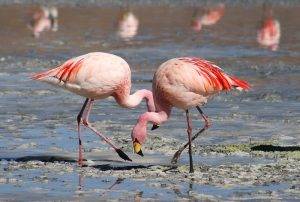
The order Anseriformes encompasses water birds with webbed feet and specialized bills adapted for feeding on aquatic vegetation, mollusks, and other aquatic organisms. This diverse group includes ducks, geese, swans, and screamers, each exhibiting unique adaptations for life on the water.
Order Pelecaniformes:
Pelecaniformes are a diverse group of water birds characterized by their long necks, webbed feet, and specialized bills adapted for catching fish. This order includes pelicans, herons, egrets, ibises, and spoonbills, which are often found in coastal and wetland habitats worldwide.
Order Charadriiformes:
Charadriiformes are primarily shorebirds and seabirds that inhabit coastal and marine environments. This diverse order includes gulls, terns, sandpipers, plovers, and avocets, each displaying unique adaptations for foraging in sandy beaches, rocky shores, and mudflats.
Common Water Bird Species
Ducks:
Ducks are one of the most diverse groups of water birds, with species ranging from dabbling ducks that feed near the water’s surface to diving ducks that plunge underwater to catch prey. Common duck species include the Mallard, Wood Duck, Northern Pintail, and American Wigeon.
Geese and Swans:
Geese and swans are large, majestic water birds known for their long necks and distinctive honking calls. Species such as the Canada Goose, Trumpeter Swan, Tundra Swan, and Mute Swan are often seen in lakes, rivers, and wetlands during migration or wintering periods.
Pelicans:
Pelicans are large water birds with long bills and expansive throat pouches used for scooping up fish from the water’s surface. The American White Pelican and Brown Pelican are common species found along coastlines, estuaries, and inland bodies of water.
Herons and Egrets:
Herons and egrets are elegant water birds with long legs and necks, which they use to wade through shallow water in search of fish, amphibians, and crustaceans. Species such as the Great Blue Heron, Snowy Egret, and Great Egret are often seen hunting along the edges of marshes and rivers.
Gulls and Terns:
Gulls and terns are seabirds commonly found along coastlines and estuaries, where they feed on fish, marine invertebrates, and scavenged food. Species such as the Ring-billed Gull, Herring Gull, Common Tern, and Caspian Tern are widespread and easily recognizable.
Adaptations for Aquatic Life
Webbed Feet:
Water birds have evolved webbed feet, which act like paddles for swimming and diving. The webbing between their toes allows them to navigate through water with ease and efficiency, whether for foraging, hunting, or escaping predators.
Specialized Bills:
Water birds possess a variety of bill shapes and sizes adapted for different feeding strategies. Some have broad, flat bills for filtering plankton and algae, while others have pointed bills for spearing fish or probing for invertebrates in mud and sand.
Waterproof Plumage:
Water birds have specialized oil glands that secrete waterproof oils, which they spread over their feathers to maintain buoyancy and insulation. This waterproofing mechanism helps them stay dry and warm while diving and swimming in cold water.
Ecological Importance of Water Birds
Ecosystem Engineers:
Water birds play crucial roles in maintaining healthy aquatic ecosystems by controlling populations of fish, invertebrates, and aquatic plants. Their feeding activities help regulate prey populations and nutrient cycling, contributing to the overall balance of freshwater and marine habitats.
Indicator Species:
Water birds serve as important indicators of environmental health, as changes in their populations and distribution can signal shifts in habitat quality, water pollution, and ecosystem degradation. Monitoring water bird populations can provide valuable insights into the health of aquatic ecosystems and the effectiveness of conservation efforts.
Conservation Challenges and Efforts
Habitat Loss and Degradation:
Water birds face numerous threats, including habitat loss, pollution, climate change, and human disturbance. Wetland drainage, urbanization, and agricultural expansion continue to degrade and fragment their habitats, posing significant challenges to their survival.
Aquatic Avian Species
Efforts to conserve water bird populations include the establishment of protected areas, wetland restoration projects, and international agreements such as the Ramsar Convention on Wetlands. Collaborative conservation efforts involving governments, NGOs, and local communities are essential for safeguarding the future of water birds and their habitats.
Related Post:
Unlocking the Mysteries of Duck Egg Laying: How Often Do Ducks Lay Eggs?
When Do Ducks Start Quacking? Unraveling the Quack-tastic Mystery
Exploring the Enigmatic Ancona Duck: A Quirky, Beautiful, and Versatile Breed
Exploring the Fascinating World of Male, Female, and Male Muscovy Ducks
In conclusion, water birds are an integral part of aquatic ecosystems, playing vital roles in nutrient cycling, prey regulation, and ecosystem health. From graceful swans to agile diving ducks, these avian marvels exhibit a remarkable array of adaptations and behaviors that enable them to thrive in diverse aquatic habitats worldwide. By learning more about water birds and their ecological significance, we can deepen our appreciation for the beauty and complexity of the natural world and work together to ensure their continued survival for generations to come. So, the next time you encounter a water bird gliding gracefully across the water’s surface or diving beneath the waves in search of prey, take a moment to marvel at the wonders of aquatic avian life.
