

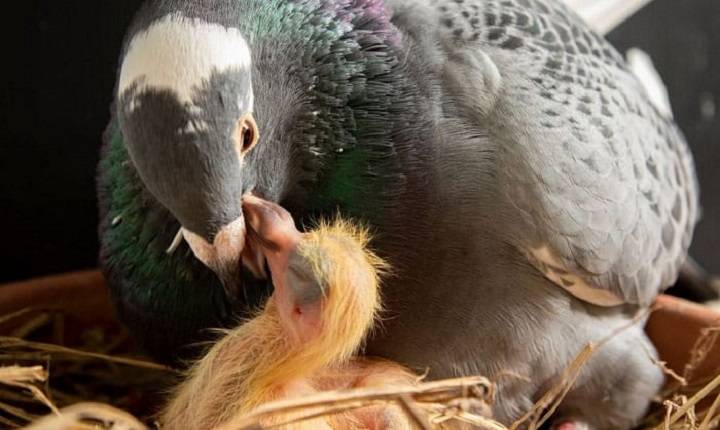
Welcoming a baby pigeon into your home is an exciting experience, but ensuring their proper nutrition is crucial for their overall well-being. In this comprehensive guide, we’ll delve into the world of baby pigeon food, covering everything from the types of food to feeding schedules and essential nutrients.
Understanding the Nutritional Needs of Baby Pigeons
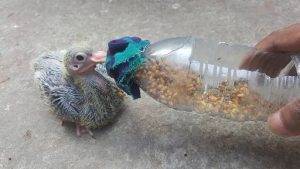
The Importance of Proper Nutrition
- Healthy nutrition is the foundation for a pigeon’s growth.
- Balanced diet supports feather development, muscle growth, and overall vitality.
- Proper nutrition reduces the risk of health issues in later stages of life.
Macronutrients Essential for Growth
- Proteins: Building blocks for muscles and tissues.
- Carbohydrates: Energy source for daily activities.
- Fats: Essential for feather development and energy storage.
Micronutrients for Optimal Health
- Vitamins: A, B complex, C, D, and E are essential for various bodily functions.
- Minerals: Calcium, phosphorus, and others play a crucial role in bone development.
Types of Baby Pigeon Food
Commercial Pigeon Food
- Specially formulated pigeon feeds are available in pet stores.
- Ensure the feed is designed for baby pigeons and meets nutritional requirements.
- Convenient option with a balanced nutrient profile.
Homemade Pigeon Food Recipes
- Prepare a mix of grains, seeds, and legumes for a natural diet.
- Include millets, sunflower seeds, and peas for a diverse nutrient profile.
- Ensure proper grinding or soaking for easy digestion.
Supplements for Extra Nutrition
- Consult with a vet before introducing any supplements.
- Calcium supplements may be necessary for bone development.
- Probiotics can aid in digestion.
Establishing a Feeding Schedule
Frequency of Feedings
- Baby pigeons require frequent feedings due to their rapid growth.
- Initially, feed every 2-3 hours, gradually reducing as they age.
- Monitor their weight to adjust feeding frequency.
Weaning Process
- Start introducing solid foods around 3 weeks of age.
- Gradually reduce hand-feeding and encourage self-feeding.
- Monitor their response to different food textures.
Tips for Successful Feeding
Hydration is Key
- Ensure a clean and constant supply of fresh water.
- Hydration is crucial for digestion and overall health.
Monitoring Weight and Health
- Regularly weigh your baby pigeon to track growth.
- Observe their behavior and droppings for signs of illness.
- Seek veterinary advice if you notice any abnormalities.
Baby Pigeon Food
Crop Issues
- Crop impaction or sour crop can occur; monitor crop size and consistency.
- Adjust feeding amounts and consult a vet if issues persist.
Picking the Right Perches
- Choose appropriate perches to encourage exercise and proper foot development.
- Provide a variety of perch sizes and textures.
Related Post:
Providing the right nutrition for your baby pigeon is a fundamental aspect of responsible pet ownership. Whether opting for commercial feeds or preparing homemade recipes, understanding the nutritional needs and implementing a well-rounded feeding schedule is essential for their growth and development. Keep a close eye on their health, make adjustments as needed, and enjoy the rewarding experience of nurturing a healthy and happy baby pigeon in your care.
