

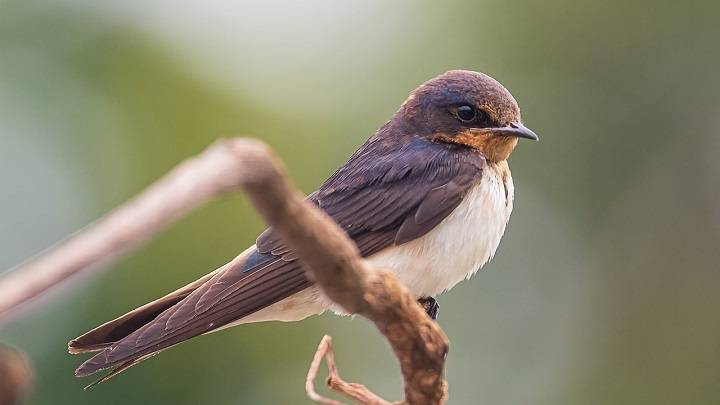
The tranquil sounds of birdsong are often associated with the dawn chorus, filling the early morning air with melodies that herald the start of a new day. However, for some avian species, the symphony of chirps, trills, and calls continues well into the night. In this blog post, we’ll delve into the fascinating world of nocturnal birdsong, exploring the types of birds that chirp at night, the reasons behind their nighttime serenades, and the unique adaptations that enable them to thrive in the darkness.
The Enigmatic World of Nocturnal Birds
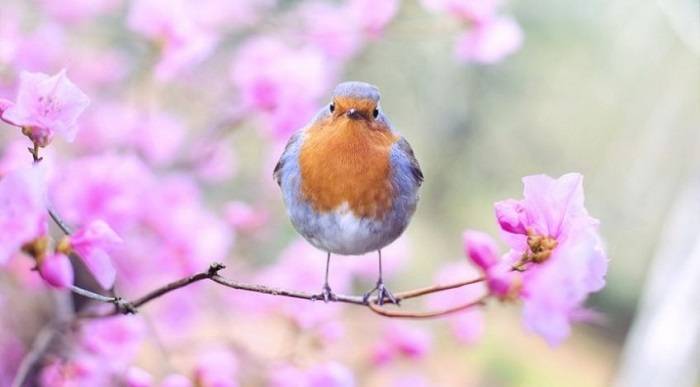
Nocturnal Adaptations:
- While many birds are diurnal, meaning they are most active during the day, some species have evolved to be primarily nocturnal, conducting their activities under the cover of darkness. These birds possess specialized adaptations, including enhanced vision, acute hearing, and cryptic plumage, to navigate and forage in low-light conditions.
Nocturnal Vocalizations:
- In addition to their physical adaptations, nocturnal birds often rely on vocalizations to communicate, establish territories, and attract mates during the nighttime hours. Their calls and songs serve important functions in their social behavior and reproductive strategies.
Types of Birds That Chirp at Night
Owls:
- Owls are perhaps the most well-known nocturnal birds, renowned for their haunting hoots and screeches. These birds of prey are expert hunters that rely on their keen hearing and silent flight to capture prey under the cover of darkness.
Nightjars:
- Nightjars, also known as goatsuckers, are a group of nocturnal birds characterized by their cryptic plumage and aerial feeding habits. Their distinctive churring and whirring calls are often heard in the twilight hours as they hunt for insects on the wing.
Mockingbirds:
- Some species of mockingbirds, particularly in tropical regions, are known for their nocturnal singing behavior. These birds may engage in prolonged bouts of song during the nighttime, contributing to the rich tapestry of nocturnal sounds.
Reasons Behind Nocturnal Chirping
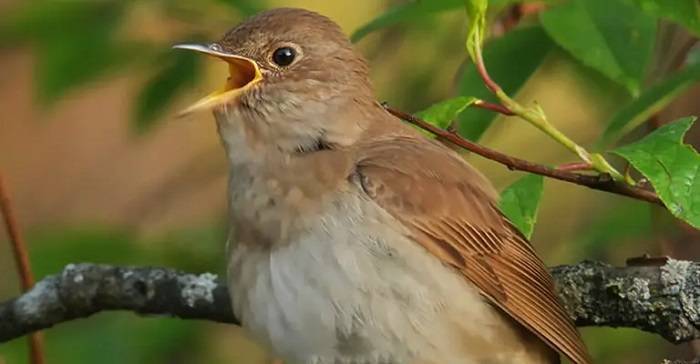
Territorial Defense:
- Nocturnal birds may vocalize at night to defend their territories and establish boundaries with neighboring individuals. Their calls serve as a warning to potential intruders and help maintain social cohesion within their communities.
Mate Attraction:
- For some nocturnal species, nighttime vocalizations play a crucial role in mate attraction and courtship rituals. Male birds may serenade potential mates with elaborate songs to demonstrate their fitness and attract a mate.
Environmental Influences on Nocturnal Chirping
Seasonal Variation:
- The timing and frequency of nocturnal chirping may vary seasonally, influenced by factors such as temperature, moonlight, and breeding cycles. In some species, nocturnal vocalizations peak during the breeding season when individuals are actively seeking mates.
Urbanization and Light Pollution:
- Urbanization and artificial light sources can disrupt nocturnal behaviors in birds, including vocalizations. Light pollution from streetlights and buildings may confuse birds’ natural cues and alter their activity patterns.
Birds That Chirp at Night
Protecting Nocturnal Habitats:
- Conservation efforts aimed at preserving nocturnal habitats and reducing anthropogenic disturbances are crucial for the survival of nocturnal bird species. Habitat restoration projects and wildlife corridors can provide essential refuges for these birds in increasingly urbanized landscapes.
Studying Nocturnal Ecology:
- Further research into the ecology and behavior of nocturnal birds is essential for understanding their role in ecosystems and developing effective conservation strategies. Techniques such as acoustic monitoring and GPS tracking can provide valuable insights into nocturnal bird populations and their habitat requirements.
Related Post:
Cracking the Cayuga Duck Egg Mystery: Unveiling the Secrets of Cayuga Duck Eggs
Exploring Duck-Chicken Compatibility: Can They Coexist?
Unraveling the Complex World of Aggressive Male Duck Behavior
The nocturnal world of birds is filled with mystery, intrigue, and enchanting melodies. From the haunting calls of owls to the rhythmic churring of nightjars, nocturnal birds enrich our natural surroundings with their captivating vocalizations. By appreciating and protecting these elusive creatures, we can ensure that their nocturnal serenades continue to echo through the darkness, reminding us of the diversity and beauty of the avian world, even under the cloak of night.
