

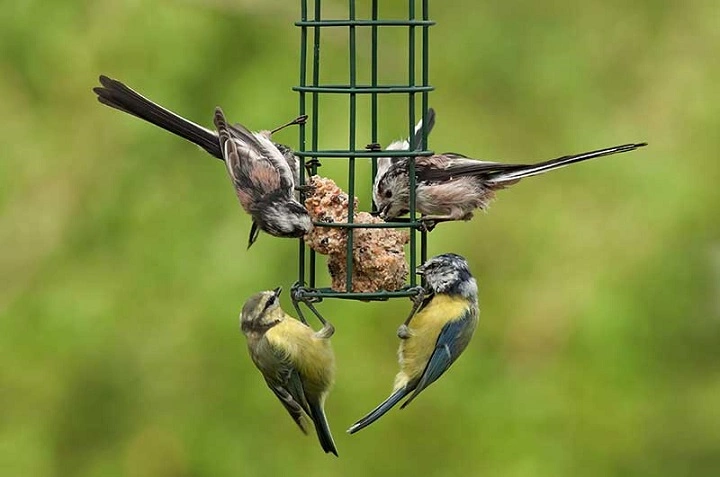
If you’ve ever wondered how birds find your backyard feeder so quickly, you’re not alone. It often seems like birds appear out of nowhere the moment you put out fresh seeds. This leads to the question: can birds smell bird seed? Or are they relying on other senses to locate their meals?
Let’s explore how birds detect food, whether smell plays a role, and how they’re able to find bird seed so efficiently in various environments.
Do Birds Have a Sense of Smell?
Yes, birds do have a sense of smell—but for most species, it’s not their primary way of detecting food. Compared to mammals, birds generally have a less developed olfactory system, meaning their ability to smell is limited in many cases.
However, this doesn’t mean birds can’t smell at all. Some bird species have well-developed olfactory bulbs and use scent for navigation, locating prey, or identifying mates. But when it comes to finding bird seed, smell is not their go-to method.
How Birds Typically Find Food

Birds rely mainly on three key senses when it comes to locating food like bird seed:
Vision
Birds have excellent eyesight, often far sharper than that of humans. They can spot small objects like seeds, insects, or berries from high in the sky or across a wide yard. Brightly colored feeders or scattered seed on the ground can easily catch a bird’s eye.
Hearing
Though not as important as vision, some birds can use sound cues—such as the rustle of leaves, the crackling of other birds feeding, or even the fall of seed into a tray—to investigate new feeding spots.
Social Cues
Birds often observe and follow other birds to food sources. If a few sparrows or finches start feeding, others will quickly join in, leading to a snowball effect where your feeder becomes a hot spot simply because it has regular visitors.
Can Birds Smell Bird Seed?
For the vast majority of common backyard birds—like finches, chickadees, sparrows, and cardinals—smell does not play a major role in finding bird seed. Their sense of smell is either underdeveloped or not attuned to detecting seeds or grains from a distance.
However, there are some exceptions in the bird world.
Birds With a Strong Sense of Smell
While typical seed-eating birds may not use smell much, other species are known for their keen olfactory abilities:
Turkey Vultures
These scavengers have one of the best senses of smell in the bird world. They can detect the scent of decaying flesh from miles away, helping them locate food hidden under dense forest cover.
Kiwi (New Zealand)
Kiwis have nostrils at the tip of their beaks and rely heavily on smell to find worms and insects underground.
Albatrosses and Petrels
These seabirds use smell to locate fish oils or krill on the ocean’s surface while flying high above the waves.
Still, these are exceptions and not the kind of birds visiting backyard feeders.
Why It Feels Like Birds “Smell” Seed
If birds don’t rely on smell to find bird seed, why does it seem like they show up almost immediately after you fill the feeder?
Here’s what’s really happening:
- Visual spotting – Birds may see you fill the feeder or notice new seeds from nearby branches or fences.
- Regular patrolling – Birds in your area often patrol familiar feeding spots. When they spot something new, they stop to check it out.
- Communication – Some birds call to each other when they find food, helping spread the word quickly.
- Feeder familiarity – Once birds know your feeder is a consistent food source, they’ll keep checking in throughout the day.
It’s not scent—it’s habit, vision, and behavior that make birds appear so quickly.
How to Make Your Feeder Easier to Find
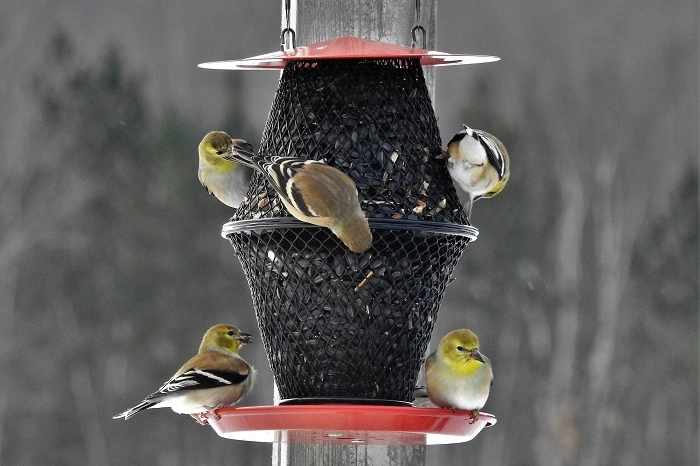
If you want to attract more birds, especially seed-eaters, you can improve visibility and appeal:
- Use bright-colored feeders (red and yellow attract attention).
- Place feeders in open areas with nearby perches like bushes or trees.
- Offer high-quality seed like black oil sunflower, safflower, or nyjer.
- Keep the feeder clean to prevent mold or odors that might deter birds.
- Be consistent with feeding. Birds remember good food sources and return often.
What About Smelly Seed Mixes or Flavored Bird Foods?
Some bird seed blends come with added scents or flavorings, claiming to attract birds. While these may appeal to human buyers, they’re unlikely to make a difference to birds. Since most birds use vision over smell, flashy packaging or sweet-smelling mixes are more about marketing than results.
That said, spoiled or rancid seeds do give off odors that may repel birds. Make sure your seed is fresh and dry—moldy food can harm birds and reduce visits to your feeder.
FAQs
Can birds smell food from far away?
Most birds cannot smell food like bird seed from a distance. They rely on vision and social behavior to find it.
Do hummingbirds use smell to find nectar?
No. Hummingbirds are attracted to color (especially red) and sugar concentration, not scent.
Do birds use smell to recognize humans or feeders?
Not likely. Birds recognize feeders by sight and routine, not by scent.
Why do birds find my feeder so fast?
They may be in the area already, spot the food visually, or follow other birds that are feeding.
Should I buy scented bird seed mixes?
It’s not necessary. Birds aren’t attracted to scent in seed the way mammals might be. Stick to high-quality, fresh seed instead.
