

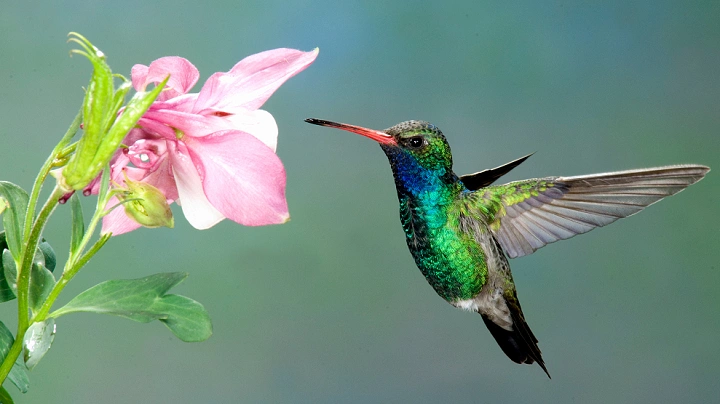
Birds are some of the most fascinating creatures in the animal kingdom, known for their dazzling colors, unique calls, and mesmerizing flight patterns. But did you know that very few birds can actually fly backward? While most birds are built for forward motion, a rare few have evolved the skill to move in reverse—gracefully, effortlessly, and with purpose.
Let’s explore which birds can fly backwards, how they do it, and what makes this ability so unique in the avian world.
Can Birds Really Fly Backwards?
In general, most birds are not capable of flying backward. Their wings and flight muscles are designed to generate lift and thrust in one direction—forward. While birds can hover momentarily or change direction quickly, true backward flight requires a completely different wing movement and high energy control.
Only a select group of birds can do it, and one bird does it better than all the rest.
Hummingbirds: The Masters of Backward Flight

Hummingbirds are the only birds in the world that can fly backward consistently and efficiently. Their wings rotate in a unique figure-eight pattern, which allows them to hover in midair and move in any direction—forward, sideways, upward, downward, and yes, even backward.
Why Hummingbirds Fly Backwards
Backward flight is most commonly used when:
- Retreating from flowers after feeding
- Navigating tight spaces between branches
- Avoiding competitors at feeders
Unlike other birds that rely on momentum, hummingbirds flap their wings up to 80 times per second, creating lift on both the upward and downward strokes. This incredible control lets them back out of a flower without turning their bodies.
How They Do It: Wing Mechanics
Hummingbirds have:
- A ball-and-socket shoulder joint that rotates almost 180 degrees
- Strong chest muscles (pectorals) making up nearly a third of their body weight
- Symmetrical wing flapping for maximum directional control
Their flight style is closer to insects like bees or dragonflies than to other birds.
Can Any Other Birds Fly Backward?
While hummingbirds are the only birds that can truly fly backward with ease, a few others can appear to move backward briefly, though not by flying in reverse the same way.
Sunbirds
Sunbirds, often compared to hummingbirds, also feed on nectar and hover near flowers. While they are excellent fliers and can maneuver in tight spaces, they do not truly fly backward. Any backward motion is typically part of a midair turn or a quick wing adjustment, not sustained flight in reverse.
Kingfishers
Kingfishers can sometimes appear to move backward while hovering above water. However, these are brief adjustments in position, not controlled backward flight. Their hovering is usually followed by a sudden dive forward into the water.
Bee-eaters
Bee-eaters have agile flight styles and can quickly dart backward for a split second, especially during aerial chases. But again, this is not sustained backward flight like that of hummingbirds.
Why Most Birds Can’t Fly Backwards
Most birds have wings that:
- Are designed for forward thrust
- Lack the rotational flexibility needed for reverse movement
- Don’t generate enough lift on the upstroke
Birds like pigeons, sparrows, robins, and crows are excellent at gliding, soaring, or diving. But flying backward would require a complete redesign of their flight muscles and joints.
Fun Facts About Hummingbird Flight
- They can hover like helicopters and even fly upside down for a split second.
- They are the only birds that can stop instantly in midair and change direction.
- They fly with incredible precision, often visiting hundreds of flowers each day.
- Some hummingbirds migrate thousands of miles, flying across the Gulf of Mexico in one go without resting.
Are There Benefits to Backward Flight?
Yes. In nature, being able to fly backward offers advantages such as:
- Quick exits from flowers or feeders without needing to turn around
- Better control while hovering or navigating cluttered environments
- Improved agility when avoiding predators or rivals midair
This gives hummingbirds a major edge in competition for food and territory.
Backyard Tips for Watching Backward Flight

If you want to witness a hummingbird flying backward, set up a feeder in your garden with these tips:
- Use a red feeder with a sugar-water solution (1 part sugar to 4 parts water)
- Hang the feeder in a shady but visible spot
- Stay still and quiet nearby—hummingbirds are shy at first
- Watch as they hover, dip into the feeder, then fly backward
Early morning and evening hours are usually best for birdwatching.
Are Hummingbirds the Only Birds That Hover?
No, other birds can hover—but not as efficiently or for as long as hummingbirds. Birds like kestrels, terns, and some warblers can hover briefly while hunting or maneuvering, usually aided by wind.
However, they lack the wing rotation and energy efficiency that hummingbirds possess, so they cannot hover in place indefinitely or fly backward with control.
FAQs
Which birds can fly backward?
Hummingbirds are the only birds that can fly backward in a controlled and sustained manner.
How do hummingbirds fly backward?
They flap their wings in a figure-eight pattern, allowing full control over direction, including backward movement.
Can other birds hover like hummingbirds?
Some can hover briefly, like kestrels or sunbirds, but none can do it with the same skill, energy control, or duration.
Why do hummingbirds fly backward?
Mostly to back away from flowers after feeding, to avoid collisions, or to navigate tight spots.
Are hummingbirds the only birds that can fly in all directions?
Yes. They can fly forward, backward, sideways, and even upside down, thanks to their unique wing structure and rapid flapping.
