

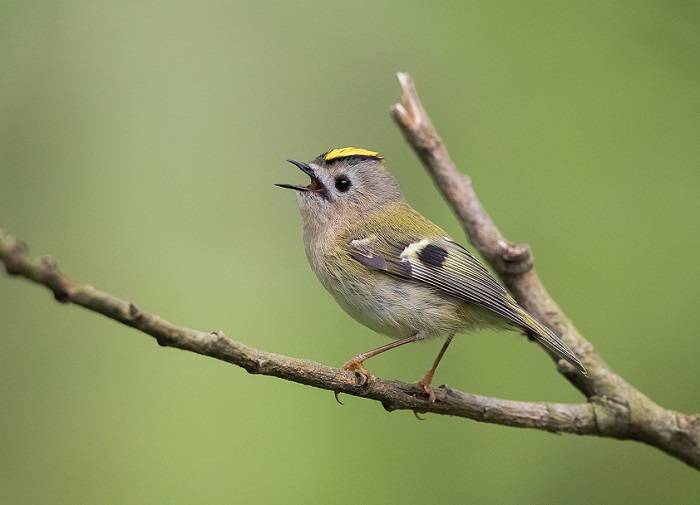
The Goldcrest (Regulus regulus) is a diminutive yet enchanting bird species that graces the woodlands, gardens, and parks of the United Kingdom. With its vibrant plumage, distinctive crest, and lively foraging behavior, the Goldcrest holds a special place in the hearts of birdwatchers and nature enthusiasts. In this comprehensive guide, we will explore the captivating world of the Goldcrest, shedding light on its habitat preferences, intriguing behaviors, and conservation efforts aimed at safeguarding its future in the UK.
Habitat and Distribution

Woodland Enclaves:
Goldcrests are commonly found in coniferous and mixed woodlands, where they can be spotted flitting among the branches of pine, fir, and spruce trees in search of insects and spiders.
Gardens and Parks:
These delightful birds also frequent gardens, parks, and green spaces with dense vegetation and tall trees, where they find shelter, nesting sites, and abundant food resources.
Migration Patterns:
While some Goldcrests are year-round residents in the UK, others undertake seasonal migrations, with individuals from northern and upland areas migrating southward to milder regions during the winter months.
Physical Characteristics
Vibrant Plumage:
Despite its small size, the Goldcrest boasts striking plumage, with olive-green upperparts, yellowish underparts, and distinctive white wing bars. The male Goldcrest also sports a fiery orange crest, which he displays during courtship and territorial displays.
Size and Shape:
Goldcrests are among the smallest bird species in the UK, measuring just 8 to 9 centimeters in length and weighing a mere 5 to 7 grams. Their tiny size and round body shape make them well-suited for navigating the dense foliage of their woodland habitats.
Foraging Behavior

Insectivorous Diet:
Goldcrests are primarily insectivorous, feeding on a variety of small invertebrates, including spiders, caterpillars, aphids, and other insects that they glean from the foliage and branches of trees.
Feeding Techniques:
To capture their prey, Goldcrests employ a combination of hovering, hopping, and fluttering movements, using their slender bills to probe into crevices and extract hidden insects.
Breeding and Nesting
Nesting Habits:
Goldcrests build intricately woven nests suspended from the branches of conifer trees, using moss, lichen, spider silk, and feathers to create a cozy and well-insulated nesting chamber.
Egg-laying and Incubation:
Female Goldcrests typically lay clutches of six to eight eggs, which are incubated by both parents for a period of approximately 14 to 16 days before hatching.
Parental Care:
Both male and female Goldcrests participate in feeding and caring for their young, diligently bringing a steady supply of insects to the nest to nourish their hungry chicks.
Vocalizations and Calls
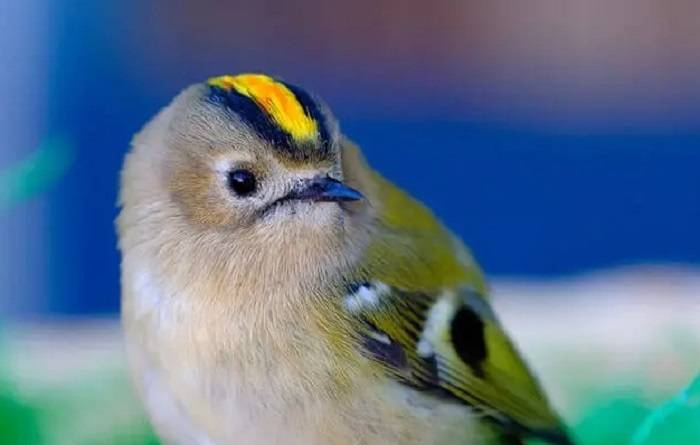
High-pitched Songs:
Goldcrests are known for their high-pitched and melodious songs, consisting of trills, warbles, and soft chirps, which they use to communicate with their mate and defend their territory.
Contact Calls:
In addition to their songs, Goldcrests also use a variety of contact calls to communicate with other members of their flock and warn of potential predators.
Conservation Status and Threats:
Habitat Loss:
Despite their widespread distribution, Goldcrests face threats from habitat loss and degradation, particularly in intensively managed forests and urbanized areas where suitable nesting and foraging habitats are scarce.
Charms of the Goldcrest
Climate Change:
Climate change poses additional challenges for Goldcrests, affecting their migratory patterns, breeding success, and ability to find food and suitable habitats in a rapidly changing environment.
Conservation Efforts:
Habitat Restoration:
Conservation organizations and land managers are working to restore and protect woodland habitats, ensuring the availability of suitable nesting sites and food resources for Goldcrests and other woodland bird species.
Public Awareness:
Educating the public about the importance of preserving natural habitats and minimizing disturbance to nesting and foraging areas can help raise awareness and garner support for conservation efforts aimed at protecting Goldcrests and their habitats.
Related Post:
Unlocking the Mystery of Unfertilized Duck Eggs
Discovering the Allure of the Swedish Blue
Unlocking the Mystery of When Ducks Lay Eggs
In conclusion, the Goldcrest is a tiny yet remarkable bird species that enriches the woodlands and green spaces of the United Kingdom with its vibrant plumage, melodious songs, and lively presence. By celebrating the beauty of the Goldcrest and supporting efforts to conserve its habitats and protect its future, we can ensure that future generations have the opportunity to marvel at the splendor of this enchanting jewel of the British countryside.
