


Do all birds lay unfertilized eggs? No, not all birds lay unfertilized eggs. Some birds, like chickens, will only lay unfertilized eggs if they are not kept with a rooster. Other birds, like ducks, geese, and quail, will lay both fertilized and unfertilized eggs depending on the availability of a mate.
All birds do not lay unfertilized eggs. There are many reasons why a bird might lay an unfertilized egg. The most common reason is that the bird is not in breeding condition, which means it does not have the hormones necessary to mate and produce offspring.
Other reasons include old age, poor nutrition, and disease. In some cases, a bird may lay an unfertilized egg if it has been disturbed while nesting.
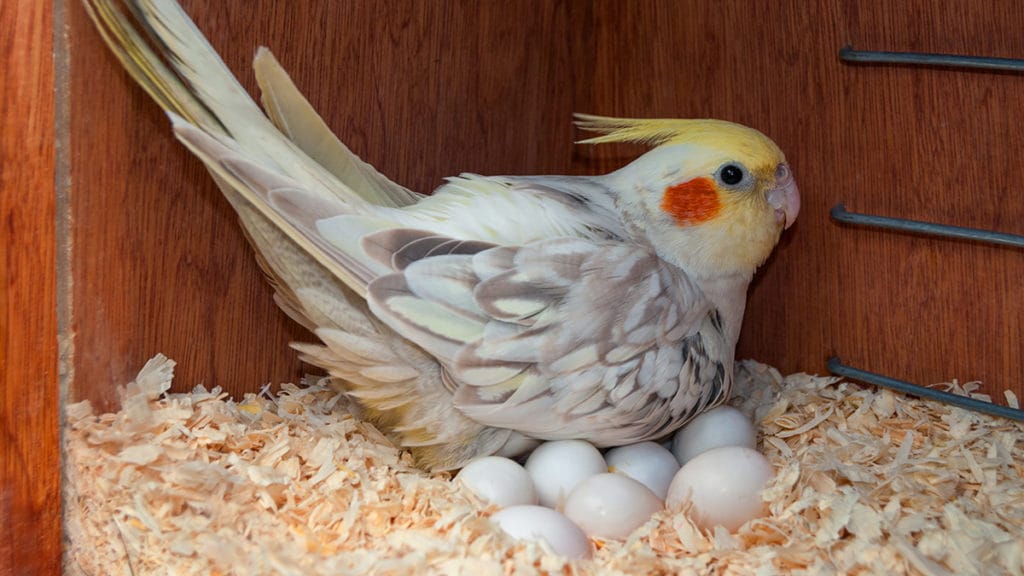
Credit: be.chewy.com
Do All Birds Lay Eggs Without Mating?
No, all birds do not lay eggs without mating. Some species of birds, like the chicken, will lay unfertilized eggs if they are not kept with a male bird. However, these eggs will not hatch into chicks.
Other species of birds will only lay eggs after copulating with a male bird.
Infertile Eggs vs Unfertilized Eggs
In the case of infertile eggs, several factors can contribute to their inability to develop into viable embryos. One common cause is the age of the laying hen, as older hens may produce eggs with diminished fertility. Additionally, genetic abnormalities or malformations in the reproductive organs of the hen can hinder proper embryo development. Environmental factors, such as inadequate nutrition or exposure to stressful conditions, may also play a role in the occurrence of infertile eggs.
It’s essential to note that the process of egg formation in a hen begins with the release of an ovum (egg cell) from the ovary. If the ovum is not successfully fertilized by the sperm from a rooster during its journey through the oviduct, the egg becomes unfertilized. The absence of fertilization means that the egg will not progress beyond its initial stage and will lack the genetic material required for embryonic development.
Unfertilized eggs are a common part of egg production in commercial and backyard settings. While these eggs do not develop into embryos, they remain a valuable source of nutrition for human consumption. They are rich in proteins, vitamins, and minerals, making them a versatile and widely used ingredient in various culinary applications.
In summary, understanding the distinctions between infertile and unfertilized eggs sheds light on the biological processes involved in egg production. While infertile eggs result from factors affecting the egg or the hen’s reproductive system, unfertilized eggs are a natural outcome of the egg-laying process when fertilization does not occur. Both types of eggs serve important purposes in the realms of reproductive biology and human nutrition.
How Birds Lay Eggs
Birds exhibit a remarkable diversity in their reproductive strategies, reflecting adaptations to their environments and lifestyles. The process of egg formation, from the initial development within the oviduct to the moment of laying, is a complex and finely tuned biological phenomenon.
Within the oviduct, the egg undergoes a series of crucial stages. Initially, the yolk is formed, providing essential nutrients for the potential embryo. The egg white, or albumen, and the protective layers, such as membranes and shells, are successively added as the egg progresses through the oviduct. This process involves the secretion of various substances to create a complete and functional protective structure for the developing embryo.
The oviduct itself is divided into different regions, each contributing specific components to the developing egg. The magnum, for instance, is responsible for the formation of the egg white, while the shell membranes are added in the isthmus. Finally, the egg spends time in the uterus, where the hard outer shell is deposited, providing additional protection and support.
As the egg traverses the oviduct, its development is influenced by factors such as the bird’s diet, health, and environmental conditions. Some species may produce a single large egg, while others may lay multiple smaller eggs in a single clutch. The frequency of egg-laying also varies, with some birds laying eggs daily, while others follow a less frequent pattern.
The cloaca, serving as the common opening for the reproductive, digestive, and urinary systems, plays a crucial role in the laying process. It serves as the exit point for the fully formed egg, which is then laid in a carefully chosen location, often in a nest or suitable environment. The choice of nesting sites and the intricate behaviors associated with egg-laying are species-specific and influenced by factors such as predation risk and environmental conditions.
Understanding the intricacies of avian reproduction not only provides insights into the life history of different bird species but also highlights the remarkable adaptations that have evolved over time. Whether it be the tiny hummingbird or the majestic eagle, the process of egg-laying reflects the diverse ways in which birds have successfully adapted to their ecological niches.
How do you know if a bird egg is unfertilized?
In addition to identifying unfertilized bird eggs through the absence of chick development during incubation or the lack of visible signs of a developing embryo when candled, there are several other factors and techniques involved in determining the fertilization status of an egg.
- Candling Process: Candling is a widely used method for assessing the contents of an egg. It involves shining a bright light through the eggshell to observe the internal structures. If an egg is unfertilized, there will be no signs of blood vessels or embryonic development. On the other hand, fertilized eggs will exhibit a network of blood vessels and a developing embryo, which becomes more pronounced as incubation progresses.
- Egg Transparency: The shell of an egg can provide visual clues about its fertilization status. Fertilized eggs tend to be less translucent than unfertilized ones. This is because the developing embryo and its surrounding membranes contribute to a cloudier appearance when observed against a light source.
- Egg Odor: In some cases, the smell of an egg can be indicative of its fertilization status. Unfertilized eggs typically do not emit any distinct odor, while fertilized eggs may develop a foul smell if the embryo dies during incubation. This odor is a result of the decomposition of the embryo and its contents.
- Egg Weight: Fertilized eggs may experience a slight increase in weight due to the growth of the developing chick and the accumulation of fluids. However, this method is not as accurate as others and is often used in conjunction with other diagnostic techniques.
- Microbial Growth: Unfertilized eggs are less prone to bacterial contamination and microbial growth compared to fertilized ones. Fertilized eggs, especially if the embryo dies, may provide a favorable environment for bacteria, resulting in changes in color, texture, and odor.
It’s important to note that while these methods are commonly employed, they are not foolproof, and the accuracy of egg fertility determination can vary. Advances in technology, such as high-resolution imaging and genetic testing, continue to enhance our ability to assess the fertilization status of bird eggs with greater precision.
Why Do Birds Lay Unfertilized Eggs?
Birds lay unfertilized eggs for a variety of reasons. One reason is that the female bird may not have mated with a male bird recently, so there is no sperm available to fertilize the egg. Another reason is that the female bird may be too young or too old to produce viable sperm.
Additionally, some birds lay unfertilized eggs as a way to conserve energy; it takes less energy to produce an unfertilized egg than a fertilized one.
Unfertilized eggs usually have a lower hatch rate than fertilized ones, but they can still hatch if conditions are favorable (e.g., if the temperature is right and there is enough moisture). Unfertilized eggs also tend to be smaller than fertilized ones.
So why do birds bother laying them at all? In many cases, it’s simply because they don’t know any better! Birds are not particularly intelligent creatures, and so they may not realize that their eggs need to be fertilized in order to hatch.
Additionally, laying an unfertilized egg gives the female bird a chance to practice her parenting skills; if she does eventually mate and produce fertile eggs, she’ll be more prepared to care for them properly.
Do All Birds Lay Unfertilized Eggs Daily?
No, not all birds lay unfertilized eggs daily. Some species of birds will only lay an egg if the female has mated with a male and the egg is fertilized. Others, like chickens, will lay both fertilized and unfertilized eggs.
The majority of bird species fall somewhere in between these two extremes, laying mostly fertilized eggs but also some unfertilized ones.
There are several reasons why a bird might lay an unfertilized egg. In some cases, it may be because the bird is too young or old to reproduce.
In others, the bird may be sick or otherwise unable to produce a fertile egg. And sometimes, a bird may simply not have had access to a mate when she was ready to lay her eggs.
Whatever the reason, it’s important to remember that not all birds lay unfertilized eggs every day.
Each species has its own reproductive strategy, and some are more successful at producing fertile offspring than others.
Do Birds Have Unfertilized Eggs?
When it comes to avian reproduction, things are a little different than they are for mammals. For birds, females lay eggs and males fertilize them. However, not all of a female bird’s eggs will be fertilized by a male.
In fact, it’s quite common for birds to have unfertilized eggs.
There are a few reasons why this happens. One is that not all females will mate with a male before they start laying eggs.
Another reason is that even if a female does mate with a male, the male may not be able to successfully fertilize all of her eggs. This can happen for several reasons, including if the male Bird is young or inexperienced, if there are problems with his reproductive organs, or if the two Birds aren’t compatible genetically.
Whatever the reason, having unfertilized eggs is perfectly normal for birds and shouldn’t cause any health problems for the female Bird involved.
How do chicken eggs get fertilized? *More Than You Ever Wanted To Know*
How Often Do Birds Lay Unfertilized Eggs
Birds lay unfertilized eggs for a variety of reasons. Some birds do it to save energy, while others do it because they are not in a good environment for breeding. Unfertilized eggs are also common in captive bird populations.
The frequency with which birds lay unfertilized eggs varies widely among species. Some birds, such as chickens, may lay an unfertilized egg every once in awhile, while others, like ducks, can lay them quite frequently. There is no set rule for how often birds lay unfertilized eggs, and it ultimately depends on the individual bird and its circumstances.
The title of this blog post is “Do All Birds Lay Unfertilized Eggs?” In the post, the author explains that many people believe all birds lay unfertilized eggs, but this is not true. The author goes on to say that while some birds do lay unfertilized eggs, many birds actually lay fertilized eggs.
The author concludes by saying that whether or not a bird lays a fertilized egg depends on the species of bird.
