

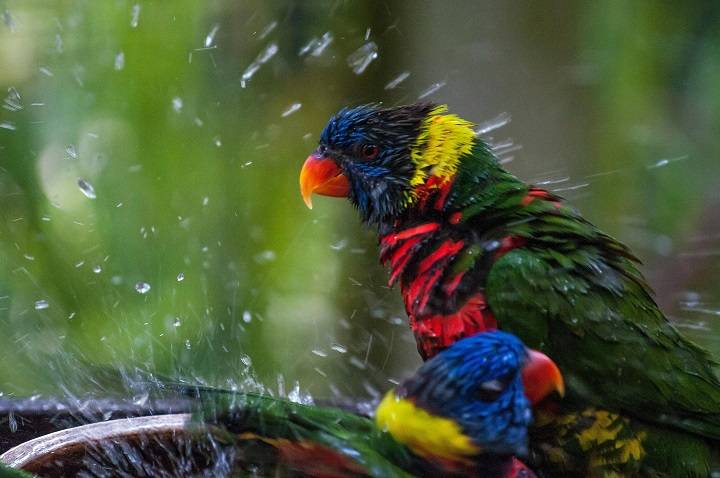
Parrots, with their vibrant plumage and lively personalities, are fascinating creatures to care for. One aspect of their well-being that often raises questions among parrot owners is bathing. Providing your parrot with a healthy bath routine is essential for their physical and emotional health. In this comprehensive guide, we will answer 10 common questions to help you ensure a healthy and enjoyable bathing experience for your feathered friend.
Why Do Parrots Need Baths?
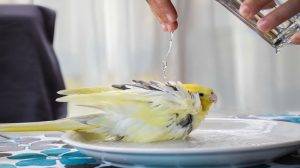
Bathing is not just a matter of cleanliness for parrots; it plays a crucial role in their overall health. Bathing helps to:
- Maintain Feather Health: Bathing keeps feathers in top condition, preventing them from becoming dry and brittle. Healthy feathers are essential for insulation, flight, and overall well-being.
- Remove Dust and Debris: Bathing helps parrots get rid of dust, pollen, and debris that can accumulate on their feathers. This is especially important for parrots in dry or dusty environments.
- Hydration: While parrots drink water, they can also absorb moisture through their skin during a bath, contributing to their hydration.
- Mood Enhancement: Bathing can be a pleasurable and mood-lifting experience for parrots. It mimics natural rain showers and can reduce stress.
How Often Should I Bathe My Parrot?
The frequency of bathing depends on several factors, including the species, the climate, and your parrot’s preferences. In general, you can bathe your parrot:
- 1-3 Times a Week: For most parrot species, a few times a week is sufficient to maintain feather health. However, some parrots may enjoy daily baths.
- Daily: In hot and dry climates, daily baths can help keep your parrot cool and comfortable. Additionally, some parrots simply love daily baths as part of their routine.
What Are the Different Bathing Options for Parrots?
Parrots can be bathed in various ways, and it’s essential to find the method that your parrot enjoys the most. Common bathing options include:
- Shower: Some parrots love to join their owners in the shower. Ensure the water is lukewarm, and the pressure is gentle. Allow your parrot to perch on a shower rod or a safe spot away from direct water spray.
- Spray Bottle: Use a clean spray bottle to mist your parrot with lukewarm water. Most parrots enjoy the fine mist. Ensure the water is neither too cold nor too hot.
- Bowl or Sink: Fill a shallow bowl or sink with lukewarm water and allow your parrot to splash around. Always supervise your parrot during a sink or bowl bath.
- Outdoor Hose: If you have an outdoor aviary, you can use a gentle hose spray to provide your parrots with an outdoor shower. Ensure the water is not too cold or too forceful.
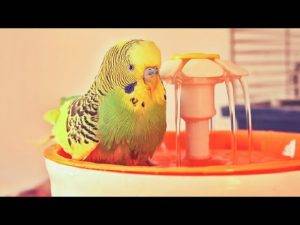
- Birdbath: Consider providing your parrot with a birdbath specifically designed for birds. These can be attached to the cage or placed in an aviary.
Is Tap Water Safe for Parrot Baths?
Tap water is generally safe for parrot baths, but there are some considerations to keep in mind:
- Water Quality: Ensure that the tap water is clean and free from contaminants. If your tap water contains chlorine or fluoride, allow it to sit for a few hours before using it for your parrot’s bath. Alternatively, you can use bottled spring water.
- Water Temperature: Parrots prefer lukewarm water for their baths. Test the water temperature with your hand to ensure it’s comfortable for your parrot.
Can I Use Shampoo or Soap for Parrot Baths?
No, it’s not advisable to use shampoo or soap for parrot baths. Parrots have sensitive skin and feathers, and the use of shampoo or soap can strip their feathers of natural oils and disrupt their delicate balance. Plain water is the best choice for parrot baths.
Should I Dry My Parrot After a Bath?
Parrots are equipped to dry themselves naturally after a bath. Provide a warm and draft-free environment for your parrot to air-dry. Ensure they are not exposed to cold temperatures or strong drafts during the drying process. Some parrots may preen and spread their feathers to help with drying.
What If My Parrot Doesn’t Like Baths?
Not all parrots immediately take to bathing, but you can encourage them to enjoy it:
- Gradual Introduction: Start by introducing your parrot to a gentle mist from a spray bottle. Use positive reinforcement and treats to create a positive association with bath time.
- Observation: Some parrots may prefer to observe other parrots taking baths before they try it themselves. If you have multiple parrots, let them watch each other enjoy baths.
- Patience: It may take time for your parrot to become comfortable with bathing. Be patient and consistent in your efforts, and avoid forcing them into a bath.
Can I Bathe My Parrot in the Winter?
Yes, you can and should bathe your parrot in the winter. Maintaining feather health is essential year-round. However, be mindful of the water temperature, and make sure the room is warm enough for your parrot to dry comfortably after the bath. Avoid exposing them to cold drafts.
Ensuring a Healthy Parrot Bath
While regular bathing is essential, over-bathing can lead to issues like feather plucking. Signs of over-bathing in parrots may include:
- Excessive Preening: If your parrot spends an unusually long time preening their feathers, it might be a sign of over-bathing.
- Feather Damage: Over-bathing can lead to damaged feathers, which may appear frayed or broken.
- Skin Irritation: Excessive bathing can cause skin irritation, leading to itching and discomfort.
If you notice these signs, reduce the frequency of baths and consult your avian veterinarian for guidance.
Can I Bathe My Parrot During Molting?
Yes, you can continue to bathe your parrot during molting. In fact, bathing can be especially helpful during this time. Molting parrots may experience itchiness and discomfort as new feathers grow in. A gentle bath can soothe their skin and help remove loose feathers.
Related Post:
Unlocking the Mysteries of Duck Egg Laying: How Often Do Ducks Lay Eggs?
When Do Ducks Start Quacking? Unraveling the Quack-tastic Mystery
Exploring the Enigmatic Ancona Duck: A Quirky, Beautiful, and Versatile Breed
In conclusion, understanding and providing a healthy bath routine for your parrot is essential for their well-being. Tailor your approach to your parrot’s preferences and needs, and always prioritize their comfort and safety during bath time. A healthy and happy parrot will reward you with their vibrant plumage and joyful personality for years to come.
