

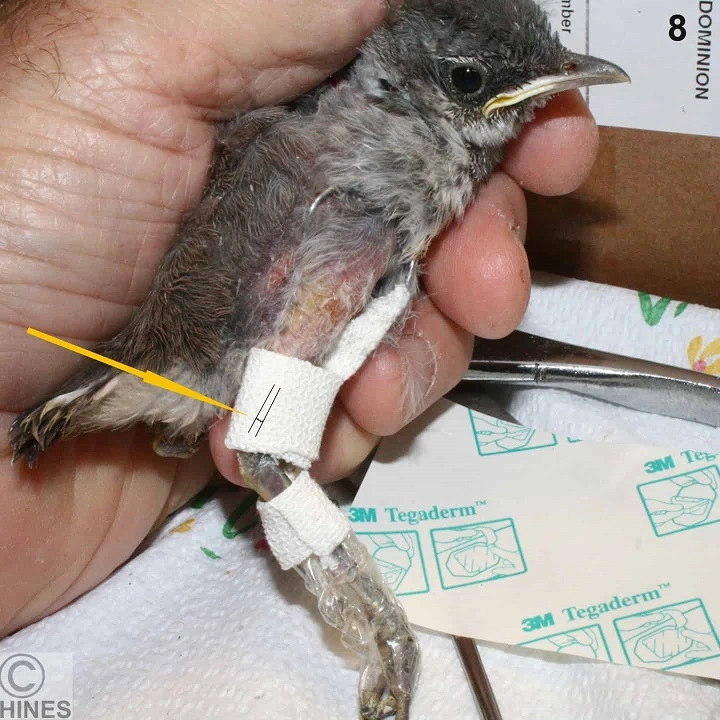
A thud against the window. A drag on the perch. Your heart leaping up into your throat. Amidst that panic, that one question rang out: how much does it cost to fix a bird’s broken leg—and now what do I do? This guide gives you human answers that make sense. Reasonable price ranges. Why prices differ. What to do for a pet bird, and what to do for a wild bird. Simple steps first, numbers second, hope always.
Triage First: Do This Before You Even Consider Prices
Warmth. Darkness. Quiet. Place the bird in a ventilated box with a soft towel for bedding. Leave it partially covered to reduce stress. No food. No water. No splint tests. Call an avian veterinarian (for pets) or an experienced wildlife rehabilitator (for wild birds). The first few minutes are worth more than any price.
Quick Answer: Typical Price Ranges
People ask how much it costs to fix a bird’s broken leg because numbers calm the mind. These are estimates for pet birds in a private clinic (regional, clinic type, and case difficulty dictate prices):
- First exam & minimal testing (X-rays): $100–$350
- Conservative care (splint/bandage + pain medication, rechecks): $250–$900
- Surgical care (pins, external fixator, anesthesia, hospitalization): $900–$3,000+
- Follow-up X-rays & bandage changes: $80–$300 per visit
- Add-ons (lab, fluids, antibiotics): $60–$300
If you have a wild bird in your care, the proper action is another: get in touch with a wildlife rehabilitator. Care is most commonly supported by the organization (tips accepted). Trying to treat wildlife yourself is hazardous to the bird and possibly illegal.
Why Costs Differ So Greatly
When you ask how much does it cost to fix a bird’s broken leg, you’re really asking about five variables.
Bird & Bone
Finch and duck. Small bones need small hardware. Larger birds can require larger implants and longer anesthesia.
Fracture Type
Greenstick vs. complete. Plain straight break vs. spiral or comminuted (broken into pieces). More expensive to align and stabilize for displaced fractures.
Treatment Path
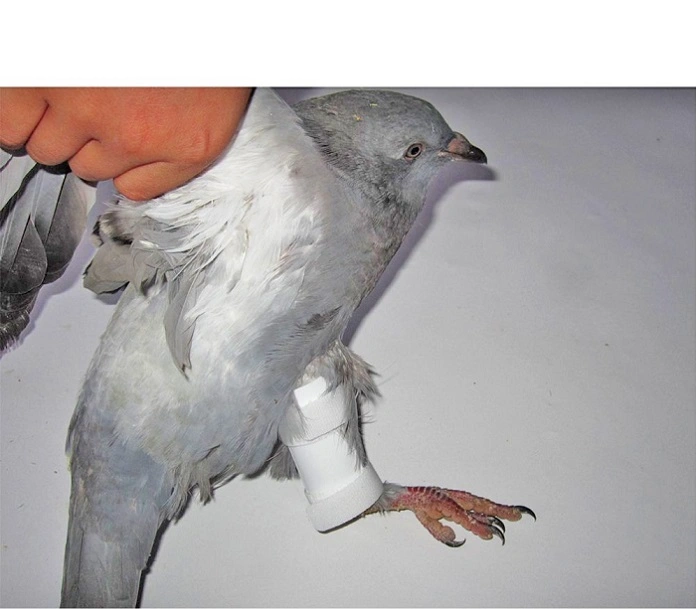
Conservative treatment: splint/bandage + strict rest.
Surgery: intramedullary pins, external fixators, or plates.
Clinic & Location
Emergency hospitals, urban centers, and 24/7 facilities are pricier than small daytime clinics.
Follow-Up Needs
Rechecks, repeat imaging, bandage changes, and physical therapy add predictable costs over 2–8 weeks.
Two Paths: Pet Bird vs. Wild Bird
Pet Bird (Owned Companion)
Call an avian vet. Order first available evaluation. Have the bird travel safely in a small box. Expect pain control, imaging, and a plan the same day.
Wild Bird (Found Outside)
Call a certified rehabber. They have permits, gear, and expertise. Your part is transportation and empathy.
Line-Item Breakdown (So Bills Make Sense)
- Exam: the physical examination and stabilization
- Radiographs (X-rays): anterior/posterior views
- Analgesia & sedation: pain management, safe handling
- Bandage or splint materials: vet wrap, pads, supports
- Surgery (if required): implants, anesthesia, recovery
- Hospitalization: warming, fluids, nutrients, meds
- Rechecks: bandage/suture removal, X-rays
- Home medications: anti-inflammatories, antibiotics
Making a Choice of Treatment
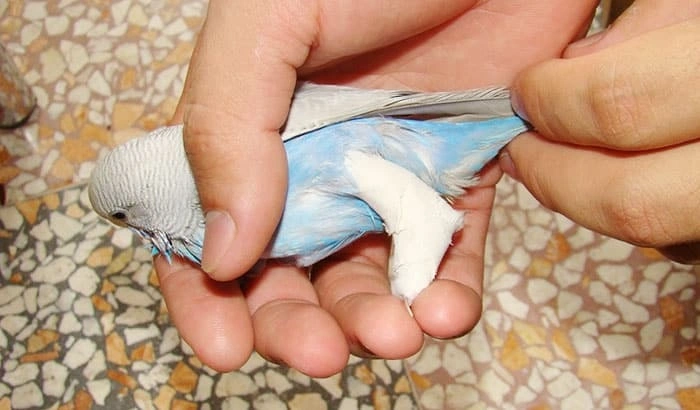
Conservative Care: When It’s Enough
Stable fractures in small birds can often be managed with splinting, rest, and rechecks.
Surgical Repair: When It’s Wiser
Unstable, displaced, or joint fractures usually need surgery. Cost is higher, but results are often better for function and comfort.
Hard Truths, Held Kindly
Sometimes fractures are too severe or the bird has an underlying illness. In those instances, cost shifts to quality-of-life care. Your vet helps weigh comfort vs. intervention.
Recovery Timeline (What the Next Weeks Look Like)
- Week 0: exam, imaging, splint or surgery
- Week 1–2: strict rest, recheck, possible bandage change
- Week 3–4: follow-up X-rays, adjust plan
- Week 5–8: hardware removal if needed; gradual return to activity
Home care includes quiet housing, low soft perches, warmth, accessible food, and close monitoring.
Money Talk: Paying Without Panic
Closing the Gap Methods
- Care credit / financing
- Pet insurance (if active before injury)
- Nonprofit aid programs
- Teaching hospitals (reduced rates)
Smart Trade-Offs
Splinting may be more affordable if surgery is too costly. Skipping rechecks to save money risks poor healing.
DIY? Please don’t.
Improper splints cause worse damage. Diagnosis and correct first steps are essential.
Real-Life Situations
- Budgie: splint + meds + checkups → $350–$700
- Cockatiel (surgical fracture): pins + hospitalization → $1,200–$2,200
- Wild finch: transport to rehab; cost = time/donation
Questions to Ask the Vet
- What type of break is it, and where?
- Is conservative care possible?
- What if we choose the cheaper plan?
- What’s the full estimate with rechecks?
- How do I keep the bird comfortable?
- What are urgent warning signs?
When the Bird Is Wild: A Gentle Script
Say: “I found a bird with a leg injury. It’s warm, quiet, and safe. Where do I take it?”
FAQs: How Much Does It Cost to Fix a Bird’s Broken Leg
What is the most cost-effective option?
Conservative care with splint, meds, and rechecks.
When is surgery worth it?
Unstable or poorly aligned fractures, or in large/active birds.
How soon does a bird use the leg again?
3–6 weeks for function; longer for full strength.
Can I wait a few days?
No—delays worsen healing and increase cost.
Will insurance pay?
Only if active before injury and covering exotics.
You asked how much does it cost to fix a bird’s broken leg because you care. Money matters, sure. But so does warmth, peace, and the strength to seek help. Make the call. Get the plan. Take the quiet steps—box, breathe, vet, rest. Healing is slow light. It finds its way.
