

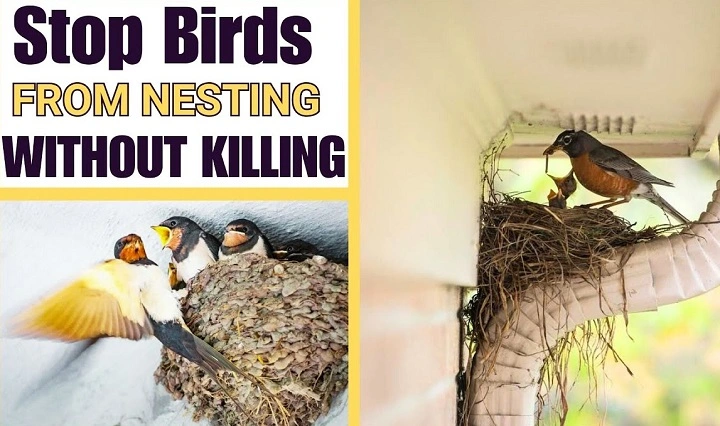
Birds are wonderful. Their wings shine in the sun. Their singing illuminates mornings. Many of us hang bird feeders just to bring them closer. But sometimes, birds get it wrong in selecting nesting places.
A vent full of twigs. A gutter full of leaves. A porch light nest. It is cute initially. But then problems start. Choked airflow. Ruined water. Poop all over. That is when the question comes up: how to keep birds from nesting where they should not be nesting?
Keeping them out does not mean hurting them. Birds are part of nature’s balance. The trick is to divert them away through safe and humane methods. This guide shall give you step-by-step directions. It shall let you know why birds opt for dangerous locations, how it hurts them, and how to steer clear of it. You shall also know how to offer birds safer alternatives. You shall have a home secured by then as well as a yard full of healthy birds.
Why Birds Nest Near Houses
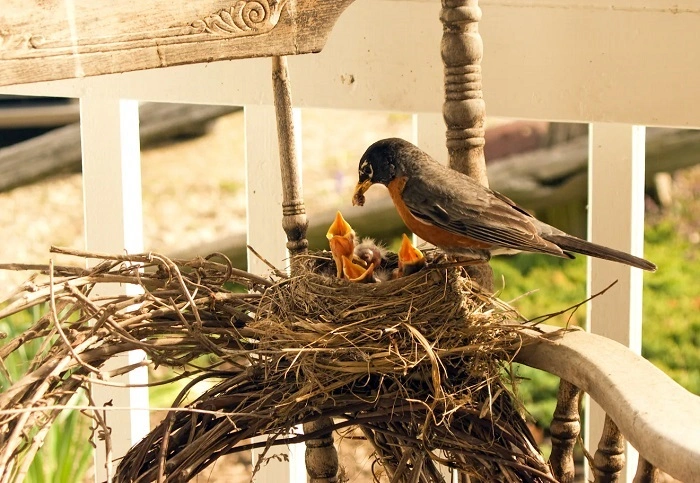
Birds are not trying to annoy you. They are trying to survive. Nests protect eggs and chicks. They need cover, warmth, and shelter from predators. Human houses offer all of these.
Why Birds Nest Near People
- Sun shade under eaves and soffits.
- Warmth from vents that mimic hollow trees.
- Permanent ledges that mimic cliffs.
- Quiet sheds that mimic caves.
- Close-by food from yard gardens, bird feeders, or dumpsters.
Your house is a wonderful home, as far as the bird is concerned. That is why they keep coming back. Once a pair of birds finds a comfortable spot, they will return year in and year out.
Problems Faced by Nesting Birds
A nest can appear innocuous, but can develop severe issues.
- Blocked vents reduce airflow and even pose fire risks.
- Blocked gutters cause water to overflow and destroy walls.
- Chimney nests fill rooms with smoke or carbon monoxide.
- Droppings stain paint, rust metal, and pollute bacteria.
- Chick noise can disturb sleep in nearby rooms.
- Pests like mites or ticks can infest from nests within.
These problems increase the longer nests remain. That is why prevention is ever better than removal.
Humane Principles First
When you want to know how to keep birds from nesting, remember this: be nice first. Certain birds are legally protected. It is most often against the law where you are to interfere with a nest of eggs or babies. Refer to your local laws before you do it.
Prevention is the best approach. Act early, before nesting season. Close off the entrance. Install barriers. Employ gentle deterrents. Offer alternative shelter. That way, you and the birds both win.
Shared Nesting Sites and How to Protect Them
Roof Eaves
Eaves are dry and safe from the elements. Birds build here because corners hold nests well. Prevent this by closing small openings with wire mesh or wood trim. Use netting if eaves are significant.
Vents and Chimneys
Vents are dark, warm, and predator-proof. Yet, nests in them are hazardous. Heat, smoke, and fires can injure individuals and birds. Screen vents with fine mesh. Cap chimneys with wildlife guards.
Gutters and Drains
Leaves and debris collect naturally. Birds add more and construct nests that clog water. Install gutter guards or clean frequently.
Porch Lights and Signs
Small shelves above lights or letters will attract sparrows and swallows. Install sloped guards or spike strips to deny landing sites.
Sheds, Garages, and Barns
They are not disturbed, and there are plenty of beams to perch on. Use netting along rafters. Keep doors shut during nesting time.
Best Methods: How to Keep Birds Away from Nesting
Block Entry Points
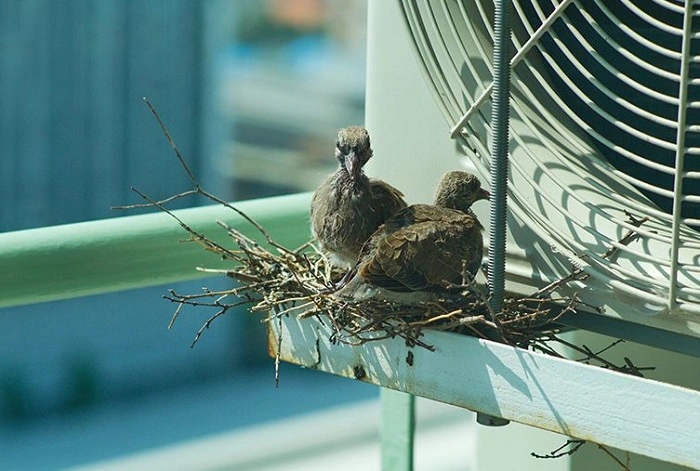
Prevention begins with barriers. Birds won’t nest where they have no means of getting in.
- Put on vent covers with fine mesh.
- Cap chimneys with heavy-duty guards.
- Seal openings under eaves.
Use Bird Spikes
Bird spikes don’t allow birds to land. They look pointy but are safe. Birds simply can’t land there. Install them on ledges, lights, and beams.
Apply Netting
Bird netting is great on top of roofs, rafters, and sheds. Stretch tightly so birds can’t push through.
Add Reflective Deterrents
Shiny objects like reflective tape, CDs, or mirrors whirl around in the wind. The birds see them as danger and stay away from the area.
Sound and Motion Devices
Devices that release predator calls or jarring, loud noises frighten birds. Motion sprinklers scare them away from patios and yards, too.
Maintain the Area Clean
Birdseed scraps, open trash, and spilled bird seed attract birds. A clean yard is less attractive. Keep the feeders far from trouble areas.
Provide Safer Alternatives
Birds also need shelter. Mount birdhouses or nest boxes on posts and trees. Place them outside of vents and porches. Birds will usually take the safe route.
Bird Nesting Deterrents
| Method | Best Spot | Why It Works |
| Mesh Covers | Vents, chimneys | Blocks entry |
| Bird Spikes | Ledges, lights | Prevents perching |
| Netting | Eaves, rafters | Creates a safe barrier |
| Reflective Tape | Gardens, sheds | Scares with movement |
| Motion Sprinkler | Patios, yards | Startles birds with water |
Timing: The Key to Success
The right time to act is before nesting. Early in spring, birds start prospecting. By late spring, eggs are already in position. The law may then protect the nest.
Wait too long, and you will be stuck with the nest until the chicks develop into young birds. Take action. Erect covers and repellents late winter. Prevention is better than removal.
Regional Nesting Differences
Different birds create different problems in different places.
- North America: Starlings, pigeons, and sparrows commonly nest in vents. Swallows build mud nests under eaves.
- Europe: Martins and swallows assault barns and sheds. Pigeons roost on old buildings.
- Tropics: Weaver birds and mynas love rafters and open beams.
- Asia: House crows often nest in city sheds and gutters.
Know local species. Then you can expect the exact problems they create.
Eco-Friendly Deterrents
Most modern devices are environmentally conscious.
- Solar-powered noise emitters.
- Water-only sprinklers that move in reaction to motion.
- UV-reflective tapes that scare birds away without causing them harm.
- Recycled spikes and covers.
Eco-friendly options save the world and address your problem.
Real Stories
A Family’s Gutter

One family saw water spilling over in storms. A nest had plugged up the gutter. They cleaned it out in winter, installed guards, and hung a birdhouse on a tree. Birds used the new place.
An Apartment Vent
Residents smelled smoke from a heater. Birds had stuffed the vent with sticks. After the chicks flew away, maintenance installed a vent cover. No nests returned.
A Farm Shed
Swallows nested in a farm shed every year. Equipment was coated with droppings. Netting was placed over rafters and a swallow shelf on a nearby barn wall by the farmer. The birds moved elsewhere, and the shed stayed clean.
Mistakes to Avoid
- Waiting until eggs are already present.
- Employing loose netting that catches birds.
- Leaving one gap open on a ledge.
- Relying only on sound devices.
- Forgetting to clear scattered seeds.
Consistency is the key. Seal all gaps. Inspect all corners.
FAQs for How to Deter Birds Nesting
How do I best deter birds from nesting?
Physical deterrents via covers, mesh, and caps is the most reliable approach.
Can a nest be destroyed after it has been made?
If it has eggs or chicks, usually no. Allow them to leave, then scrub and block the site.
Do bird spikes harm birds?
No. They just stop perching. Birds move to safer areas.
When do I install deterrents?
Late winter or early spring, before nesting season begins.
Can I give birds a safer space instead?
Yes. Install birdhouses or shelves in your yard, far from buildings. Birds prefer using them.
Conclusion
Birds are part of nature. But nests in the wrong place can be dangerous. The skill of preventing birds from nesting in the wrong places keeps birds whole and people safe.
The solution is prevention. Seal holes. Put up barriers. Keep the area clean. Create safer environments. Do it ahead of time, and you will not have to worry later.
With discretion, you can enjoy the birdsong without having to fight bird nests in vents and gutters. It is not a war against nature. It is achieving balance. When you respectfully shoo birds away, both you and they can peacefully coexist.
