

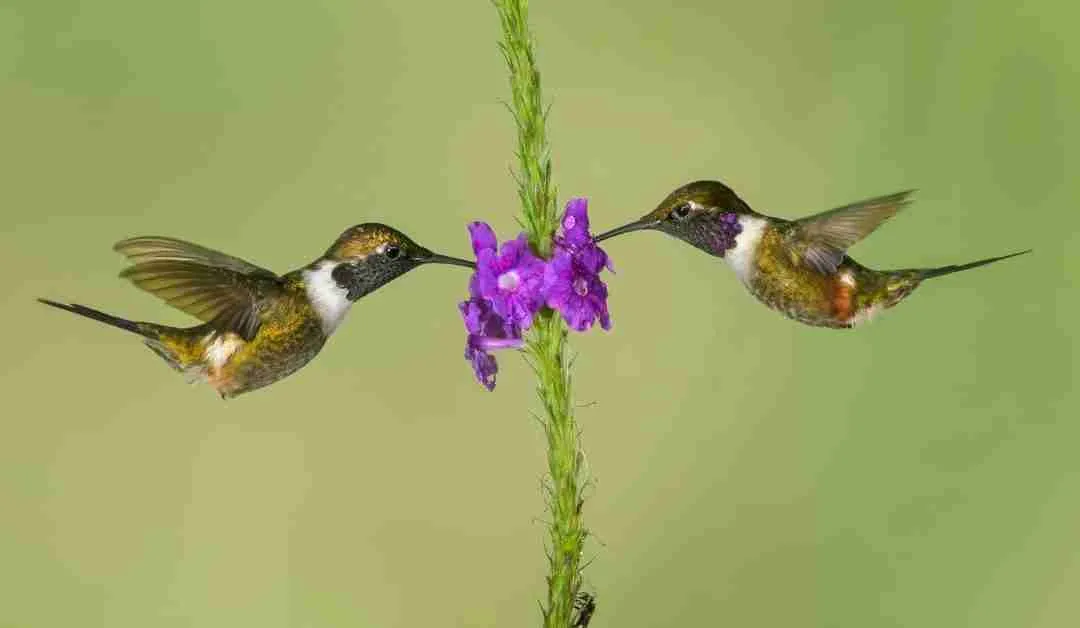
Hummingbirds, those tiny, iridescent creatures with wings that move faster than the blink of an eye, are a source of fascination for many. In the state of Maryland, these feathered jewels grace gardens, parks, and natural habitats, bringing joy to those lucky enough to catch a glimpse. In this comprehensive guide, we delve into the world of hummingbirds in Maryland, exploring their species, behavior, habitats, and how you can attract them to your own backyard.
The Charm of Hummingbirds
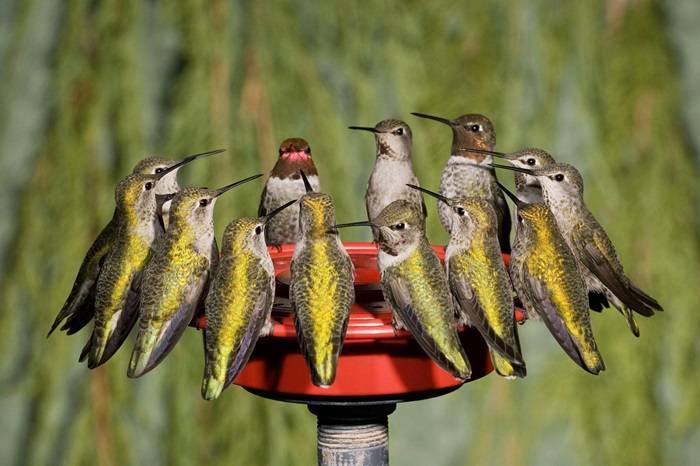
Hummingbirds are among the most captivating birds in the avian kingdom. Their remarkable features, such as their vibrant plumage, rapid wingbeats, and hovering ability, make them unique and beloved by bird enthusiasts worldwide.
Species of Hummingbirds in Maryland
Maryland is home to several species of hummingbirds, each with its own distinct characteristics and behaviors. Let’s take a closer look at some of the most common ones found in the state:
Ruby-throated Hummingbird
The Ruby-throated Hummingbird (Archilochus colubris) is the only species of hummingbird that breeds in Maryland. Named for the brilliant red patch on the throat of adult males, these diminutive birds are a common sight in gardens and wooded areas throughout the state.
Rufous Hummingbird
The Rufous Hummingbird (Selasphorus rufus) is a small but feisty bird known for its fiery orange plumage and aggressive nature. While less common in Maryland than the Ruby-throated Hummingbird, sightings of Rufous Hummingbirds have been reported during migration.
Other Species
While Ruby-throated and Rufous Hummingbirds are the most frequently seen species in Maryland, occasional sightings of other species, such as the Anna’s Hummingbird (Calypte anna) or the Black-chinned Hummingbird (Archilochus alexandri), may occur, especially during migration.
Behavior and Habits
Hummingbirds exhibit fascinating behaviors that set them apart from other birds. Understanding their habits can enhance your appreciation for these remarkable creatures:
Feeding Behavior
Hummingbirds are nectarivores, meaning they primarily feed on the nectar of flowers. Their long, specialized beaks and extendable, tube-like tongues allow them to extract nectar from deep within flowers with remarkable precision.
Hovering and Flight
One of the most impressive feats of hummingbirds is their ability to hover in mid-air. This unique skill is made possible by their rapid wingbeats, which can exceed 50 beats per second. Hummingbirds can also fly backward, upside down, and even hover while drinking nectar.
Territoriality and Aggression
Despite their diminutive size, hummingbirds are fiercely territorial and will aggressively defend feeding and nesting areas from intruders, including other hummingbirds and larger bird species.
Migration
While some hummingbirds, like the Ruby-throated Hummingbird, are migratory, others may be year-round residents in warmer regions. Understanding the migration patterns of hummingbirds can help birdwatchers anticipate their arrival and departure in Maryland.
Creating a Hummingbird-Friendly Habitat
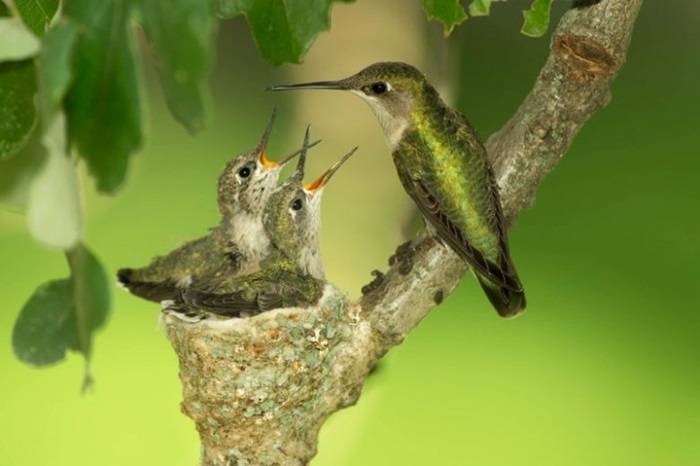
Attracting hummingbirds to your backyard requires careful planning and consideration of their habitat needs. Here are some tips for creating a hummingbird-friendly environment:
Planting Native Flowers
Choose a variety of native flowers that produce nectar-rich blooms throughout the growing season. Some excellent choices for Maryland gardens include trumpet vine, bee balm, cardinal flower, and native salvias.
Providing Water Sources
In addition to nectar, hummingbirds need access to clean water for drinking and bathing. Consider installing a shallow birdbath or misting system to provide them with a reliable water source.
Avoiding Pesticides
Minimize the use of pesticides and herbicides in your garden, as these chemicals can be harmful to hummingbirds and other wildlife. Instead, opt for natural pest control methods to maintain a healthy ecosystem.
Installing Hummingbird Feeders
Offering a sugar water solution in hummingbird feeders can supplement natural nectar sources, especially during periods of low flower abundance. Be sure to clean and refill feeders regularly to prevent mold and bacteria growth.
Hummingbirds are not only fascinating creatures to observe but also important pollinators that play a vital role in maintaining ecosystem health. By creating a welcoming habitat for these enchanting birds, you can contribute to their conservation efforts while enjoying their beauty and grace in your own backyard. So, why not embark on the journey of attracting hummingbirds to Maryland and experience the joy they bring firsthand?
The Role of Hummingbirds in Ecosystems
Beyond their aesthetic appeal, hummingbirds play a crucial role in ecosystem functioning, particularly as pollinators. As they flit from flower to flower in search of nectar, hummingbirds inadvertently transfer pollen from one plant to another, facilitating the reproductive process. This symbiotic relationship between hummingbirds and flowering plants ensures the continued survival of many plant species and contributes to the diversity of plant communities.
In addition to pollination, hummingbirds also serve as prey for various predators, including larger birds of prey, snakes, and mammals. Their presence in the food web helps maintain a balance among predator and prey populations, contributing to overall ecosystem stability.
The Impact of Climate Change on Hummingbirds
Climate change poses significant challenges to hummingbirds and other wildlife. Shifts in temperature and precipitation patterns can alter the availability of nectar-producing flowers and disrupt the timing of migration and breeding cycles. As a result, hummingbirds may face increased competition for limited resources and reduced reproductive success.
Furthermore, habitat loss and fragmentation, often exacerbated by human activities, pose additional threats to hummingbird populations. Clearing of forests for agriculture, urbanization, and infrastructure development can destroy vital habitat and disrupt migratory routes, leading to declines in hummingbird numbers.
Conservation Efforts
To mitigate the threats facing hummingbirds, conservation efforts are underway across the United States, including in Maryland. Organizations such as the Audubon Society, the Cornell Lab of Ornithology, and state wildlife agencies work to monitor hummingbird populations, conduct research on their ecology and behavior, and implement habitat restoration projects.
Individuals can also contribute to hummingbird conservation by participating in citizen science initiatives, such as the Great Backyard Bird Count and eBird, which collect valuable data on hummingbird sightings and distribution.
Educational Outreach and Awareness
Raising awareness about the importance of hummingbirds and their conservation is essential for fostering a culture of stewardship and environmental responsibility. Educational programs, workshops, and outreach events can engage people of all ages in learning about hummingbirds and the ecosystems they inhabit.
By instilling a sense of wonder and appreciation for nature, we can inspire future generations to take action to protect hummingbirds and their habitats for years to come.
Hummingbirds In Maryland
The Magic of Hummingbird Watching
For birdwatchers and nature enthusiasts alike, observing hummingbirds in their natural habitat is a magical experience. Whether in a backyard garden, a public park, or a remote wilderness area, the sight of these tiny, iridescent birds hovering gracefully among the flowers never fails to evoke a sense of awe and wonder.
Hummingbird watching offers a unique opportunity to connect with the natural world and appreciate the beauty and diversity of life around us. It provides a moment of respite from the hustle and bustle of daily life and reminds us of the importance of preserving our planet’s biodiversity for future generations to enjoy.
Also Read:
Cracking the Mystery: How Long Does It Take for Duck Eggs to Hatch?
Unlocking the Egg-Laying Mystery: When Do Ducks Start Laying Eggs?
Choosing the Perfect Pet Duck: A Comprehensive Guide
Hummingbirds are more than just beautiful creatures; they are integral components of ecosystems, playing key roles in pollination, food webs, and biodiversity conservation. As we strive to address the challenges of climate change, habitat loss, and species decline, protecting hummingbirds and their habitats must remain a priority.
By taking proactive measures to create hummingbird-friendly environments, supporting conservation initiatives, and fostering an appreciation for these remarkable birds, we can ensure that hummingbirds continue to grace our skies and bring joy to generations to come. So, let us cherish and protect these fluttering jewels of Maryland and celebrate the magic they bring to our lives.
