


Birdhouses, those quaint miniature homes perched in gardens and parks, serve as vital shelters for our feathered friends throughout the year. But have you ever wondered how birds utilize these cozy abodes during the harsh winter months? As temperatures drop and resources become scarce, understanding the role of birdhouses in winter becomes crucial for both avian enthusiasts and conservationists alike. In this comprehensive exploration, we delve into the fascinating world of birdhouse usage during winter, uncovering the behaviors, adaptations, and benefits that these structures offer to birds in colder climates.
Understanding Avian Behavior in Winter
Migration Patterns and Overwintering Strategies
Birds employ various strategies to cope with the challenges of winter, ranging from migration to adjusting their behaviors and habitat usage. While some species undertake long journeys to warmer climates, others remain in their wintering grounds, relying on local resources for survival. Understanding these migration patterns and overwintering strategies provides valuable insights into how birds interact with their environment during the coldest months of the year.
The Role of Birdhouses in Winter Survival
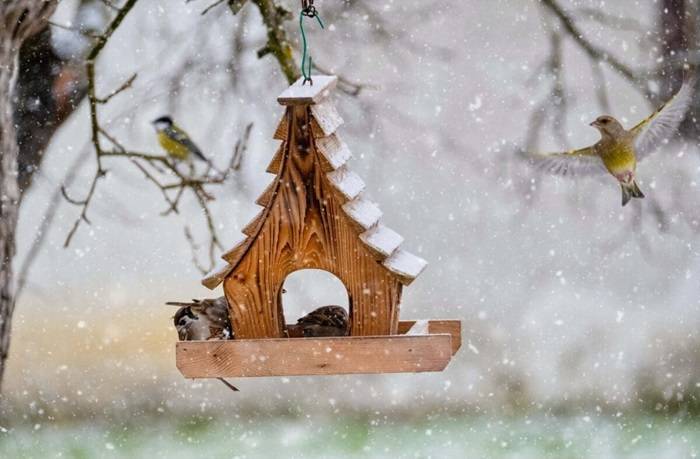
Seeking Shelter: How Birdhouses Provide Protection
Birdhouses serve as essential shelters for birds seeking refuge from harsh weather conditions. During winter, when natural cavities and nesting sites are scarce, birdhouses offer a safe haven where birds can roost and conserve energy. The insulated walls and compact interiors of birdhouses help retain heat, creating a microclimate that shields birds from the biting cold.
Choosing the Right Location: Factors Influencing Birdhouse Usage
The location of birdhouses plays a crucial role in determining their effectiveness as winter shelters. Birds prefer secluded and sheltered spots away from predators and strong winds. Placing birdhouses near a reliable food source, such as bird feeders or natural foraging areas, increases their appeal to birds seeking sustenance during the winter months.
Species-Specific Preferences: Tailoring Birdhouses to Bird Needs
Different bird species exhibit unique preferences when it comes to selecting winter shelters. Understanding these preferences allows bird enthusiasts to tailor birdhouses to the specific needs of local bird populations. Factors such as entrance size, interior dimensions, and perch availability influence the suitability of birdhouses for different species.
Observing Winter Birdhouse Activity
Monitoring and Documentation: Engaging Citizen Scientists
Citizen science initiatives play a crucial role in monitoring winter birdhouse activity and gathering valuable data on avian behavior. By participating in birdhouse monitoring programs, enthusiasts can contribute to scientific research while gaining insights into the winter habits of local bird populations. Documenting observations, including species sightings, nesting behaviors, and roosting patterns, helps researchers understand the dynamics of winter birdhouse usage.
Tips for Winter Birdhouse Maintenance
Ensuring Year-Round Accessibility and Safety
Proper maintenance is essential to ensure that birdhouses remain functional and safe for winter occupants. Regular cleaning and inspection help prevent the buildup of debris and parasites, ensuring a healthy environment for nesting birds. Additionally, providing fresh bedding material and repairing any damage caused by weather or pests prolongs the lifespan of birdhouses and enhances their appeal to wintering birds.
As winter casts its icy grip, birdhouses emerge as beacons of hope for birds seeking refuge from the cold. By understanding the behaviors and needs of wintering birds, we can optimize the design and placement of birdhouses to provide essential shelter and support for avian communities. Whether you’re a seasoned birder or a curious observer, exploring the role of birdhouses in winter offers a fascinating glimpse into the lives of our feathered companions during the chilliest season of the year.
The Importance of Supplemental Feeding
Augmenting Natural Food Sources: Winter Feeding Strategies
While birdhouses offer crucial shelter during winter, supplemental feeding plays an equally vital role in supporting avian populations through the lean months. As natural food sources dwindle, providing nutritious food in bird feeders helps birds maintain their energy levels and survive harsh conditions. Seeds, suet, fruits, and mealworms are popular choices for winter feeding, offering essential nutrients to sustain birds during cold spells.
Choosing the Right Bird Feeders and Foods
Selecting the appropriate bird feeders and foods is key to attracting a diverse range of wintering birds to your backyard. Tube feeders, platform feeders, and suet feeders cater to different bird species and feeding preferences. Offering a variety of food options ensures that you attract a diverse array of birds, from seed-eaters like finches and sparrows to insectivores like chickadees and nuthatches.
Winter Feeding Etiquette: Best Practices for Bird Enthusiasts
Maintaining proper feeding etiquette is essential to ensure the health and safety of wintering birds. Keeping feeders clean and regularly replenishing food prevents the spread of diseases and keeps birds coming back for more. Additionally, spacing feeders apart and providing ample perching space reduces competition and allows birds to feed peacefully.
Creating Bird-Friendly Landscapes
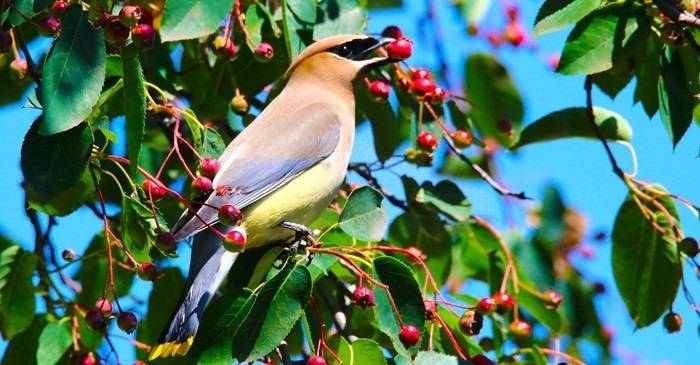
Enhancing Habitat Diversity: Creating Winter-Friendly Landscapes
In addition to providing birdhouses and supplemental food, creating bird-friendly landscapes enhances habitat diversity and supports wintering bird populations. Planting native trees, shrubs, and perennials provides food, shelter, and nesting sites for birds throughout the year. Evergreen species offer year-round cover, while fruit-bearing plants provide a valuable food source during the winter months.
Water: A Vital Resource in Winter
Water is a vital resource for birds, even in winter. Providing a heated bird bath or installing a water heater in existing water features ensures that birds have access to liquid water for drinking and bathing, essential for maintaining their feathers and staying hydrated during cold weather.
Educational Outreach and Community Engagement
Raising Awareness: Educating the Public about Winter Bird Conservation
Educational outreach initiatives play a crucial role in raising awareness about the importance of winter bird conservation. Workshops, presentations, and guided birdwatching tours provide opportunities for the public to learn about local bird species, their winter habitat needs, and how individuals can contribute to their conservation efforts.
Community Engagement: Building Bird-Friendly Communities
Engaging with local communities and stakeholders is essential for building bird-friendly environments and promoting sustainable practices. Collaborating with schools, businesses, and government agencies allows for the implementation of bird-friendly initiatives, such as habitat restoration projects, birdhouse installation programs, and community gardens designed to attract wintering birds.
Do Birds Use Birdhouses In The Winter
Related Post:
Exploring Duck-Chicken Compatibility: Can They Coexist?
Unraveling the Complex World of Aggressive Male Duck Behavior
Cracking the Cayuga Duck Egg Mystery: Unveiling the Secrets of Cayuga Duck Eggs
As winter unfolds its frosty embrace, the role of birdhouses in providing shelter to avian inhabitants becomes ever more crucial. However, it’s not just about offering refuge; it’s about creating a holistic environment that supports the diverse needs of wintering birds. From supplemental feeding to habitat enhancement and community engagement, every action we take contributes to the well-being of our feathered friends during the coldest months of the year. So, as you prepare your backyard for winter, remember the importance of birdhouses, but don’t stop there. Embrace a multifaceted approach to winter bird conservation, and together, we can ensure that birds thrive, even in the chilliest of seasons.
