

Encountering an injured bird in your garden can be a distressing experience, but it’s important to know how to respond effectively to provide the best possible care for the injured bird. In this comprehensive guide, we’ll explore the steps you can take to assist injured birds in your garden, from assessing their condition to providing temporary shelter and contacting wildlife rescue organizations for further assistance.
Identifying Signs of Injury
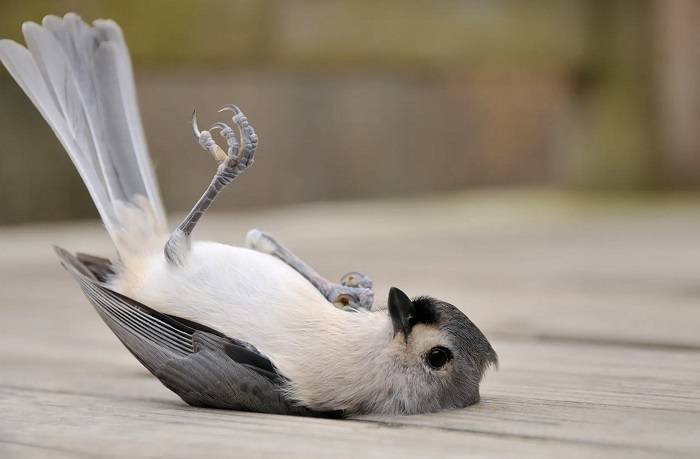
Visible Injuries:
Look for any obvious signs of injury, such as cuts, wounds, or bleeding. Injured birds may also have drooping wings, difficulty standing or walking, or obvious deformities.
Behavioral Changes:
Observe the bird’s behavior for any unusual signs, such as lethargy, inability to fly, or distress vocalizations. These may indicate underlying injuries or health problems.
Physical Examination:
Approach the bird cautiously and examine it from a safe distance. Avoid handling the bird unless absolutely necessary to minimize stress and further injury.
Providing Temporary Shelter
Quiet and Safe Location:
Place the injured bird in a quiet and safe location away from predators, pets, and human activity. A covered cardboard box or pet carrier can provide temporary shelter while you assess the bird’s condition.
Warmth and Protection:
Line the bottom of the shelter with soft, clean towels or cloth to provide warmth and comfort for the injured bird. Avoid using newspapers or other materials that may cause injury or discomfort.
Ventilation:
Ensure that the shelter has adequate ventilation to prevent overheating, but avoid exposing the bird to direct drafts or extreme temperatures.
Assessing the Bird’s Condition

Observation Period:
Allow the injured bird some time to rest and recover in the temporary shelter while you monitor its condition. Keep a safe distance to avoid causing additional stress.
Eating and Drinking:
Offer the bird small amounts of water and birdseed or bread crumbs to see if it shows interest in eating or drinking. However, avoid force-feeding or offering inappropriate foods that may harm the bird.
Seeking Professional Help:
If the bird’s condition does not improve or if it exhibits severe injuries or distress, contact local wildlife rescue organizations, veterinarians, or wildlife rehabilitators for further assistance.
Contacting Wildlife Rescue Organizations
Research Local Resources:
Research and compile a list of wildlife rescue organizations, rehabilitation centers, and veterinarians in your area that specialize in caring for injured birds.
Emergency Hotlines:
Many wildlife rescue organizations operate emergency hotlines or online portals where you can report injured or distressed wildlife and receive guidance on how to proceed.
Injured Birds in Your Garden
Transportation and Assistance:
If the injured bird requires professional care, follow the instructions provided by the wildlife rescue organization for safely transporting the bird to their facility. Avoid handling the bird unnecessarily to minimize stress and injury.
Preventing Injuries in Your Garden
Safe Garden Practices:
Create a bird-friendly environment in your garden by avoiding the use of pesticides, maintaining clean bird feeders and baths, and providing natural food sources and nesting sites.
Pet Safety:
Keep pets, especially cats, indoors or supervised while wildlife is present in your garden to prevent injuries to birds and other small animals.
Window Collisions:
Minimize the risk of window collisions by installing window decals or screens, closing curtains or blinds during peak bird activity periods, and placing bird feeders and baths away from windows.
Related Post:
The Enchanting World of the Inca Tern
Birdwatching in British Columbia: A Guide to the Avian Wonders of BC
Mandarin Ducks: A Splash of Elegance in the Avian World
Encountering an injured bird in your garden can be a challenging experience, but with the right knowledge and resources, you can provide essential care and support to help the bird recover and thrive. By following the steps outlined in this guide and reaching out to local wildlife rescue organizations for assistance, you can make a meaningful difference in the lives of injured birds and contribute to their conservation and welfare. Together, we can create a safer and more welcoming environment for birds in our gardens and communities.
