


The jay bird, known for its striking plumage and raucous calls, is a common sight in woodlands and gardens across the United Kingdom. While both male and female jays share similar physical characteristics, there are subtle differences in behavior and appearance that distinguish the two genders. In this comprehensive exploration, we delve into the fascinating world of jay birds in the UK, examining the unique traits and roles of male and female jays in their natural habitat.
The Anatomy of a Jay Bird

Physical Characteristics:
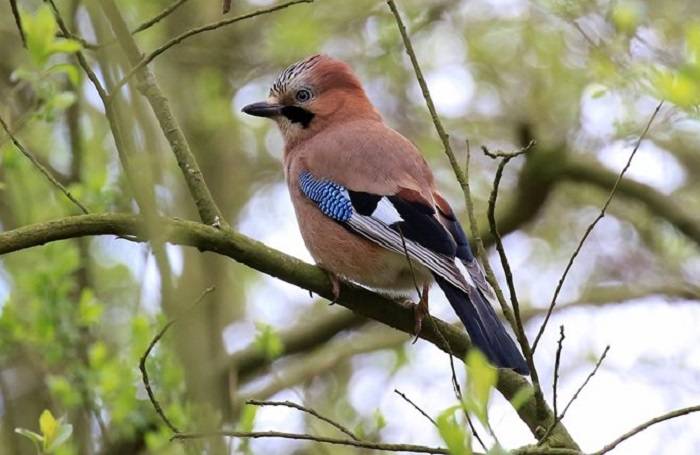
Male and female jays exhibit similar plumage patterns, characterized by vibrant hues of blue, black, and white. However, male jays tend to have slightly larger bodies and longer bills compared to females. These differences are often subtle and may require close observation to discern.
Coloration and Markings:
Both male and female jays possess striking blue feathers on their wings and tail, with black markings and white accents adorning their bodies. The intensity of coloration may vary between individuals, but overall, jays are known for their bold and conspicuous appearance, which serves as both camouflage and visual communication.
Behavioral Distinctions
Territorial Behavior:
Male jays are typically more vocal and assertive in defending their territories, using a combination of calls and displays to establish dominance and deter intruders. Female jays, while also territorial, may exhibit more subtle cues and vocalizations when defending their nesting sites.
Nesting and Parental Care:
Both male and female jays play active roles in building nests, incubating eggs, and caring for offspring. However, female jays may invest more time and energy in nest construction and incubation, while males may focus on providing food and protection for the female during the nesting period.
Reproductive Strategies
Mate Selection:
Male jays engage in elaborate courtship displays to attract potential mates, showcasing their agility, vocal prowess, and plumage quality. Female jays may assess male displays and vocalizations to evaluate their suitability as partners, ultimately choosing mates based on genetic compatibility and resource availability.
Breeding Success:
Breeding success in jays is influenced by various factors, including habitat quality, food availability, and predator abundance. Female jays invest significant energy in egg production and incubation, while males contribute to provisioning food and defending the nest against predators and intruders.
Ecological Significance
Seed Dispersal:
Jays play a vital role in seed dispersal and forest regeneration by caching and hoarding acorns and other nuts. As opportunistic omnivores, jays consume a diverse array of food items, including insects, fruits, seeds, and small vertebrates, contributing to ecosystem health and diversity.
Jay Bird in the UK
Predator Detection:
Jays serve as important sentinels in forest ecosystems, alerting other wildlife to the presence of predators through their loud and distinctive alarm calls. Their keen awareness and sharp eyesight help detect potential threats, enabling other species to take evasive action and avoid predation.
Conservation Challenges
Habitat Loss and Fragmentation:
Habitat loss and fragmentation pose significant challenges to jay populations in the UK, particularly in areas undergoing urbanization and agricultural intensification. Conservation efforts aimed at preserving and restoring woodland habitats are essential for maintaining viable populations of jays and other forest-dwelling species.
Human-Wildlife Conflict:
Jay populations may face threats from human activities, including habitat destruction, hunting, and persecution. Balancing the needs of human communities with the conservation of wildlife requires collaborative approaches that consider the ecological, social, and economic dimensions of conservation.
Related Post:
Scarlet Macaw Facts: Exploring the Vivid World of Nature’s Artists
The Mysterious Potoo Birds: Dangerous Predators or Harmless Night Owls?
How Often Do Birds Poop? Unveiling the Mystery of Avian Excretions
In conclusion, male and female jays in the UK play complementary roles in the breeding process, territorial defense, and ecological functioning of forest ecosystems. By understanding the subtle distinctions between genders and appreciating the complex dynamics of jay behavior, we can enhance our efforts to conserve and protect these charismatic birds for future generations. Through habitat conservation, responsible land management, and public education, we can ensure that jays continue to thrive in their natural environment, enriching our lives and ecosystems with their presence.
