

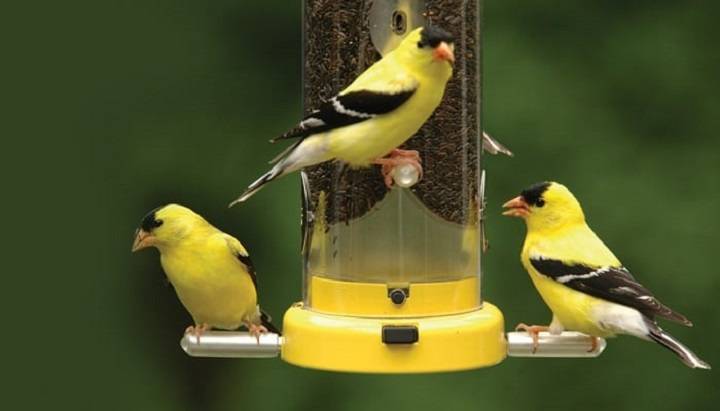
Niger seed feeders, also known as thistle feeders, are a popular choice among bird enthusiasts for attracting a wide variety of small songbirds, including finches, sparrows, and other seed-loving species. In this comprehensive guide, we’ll delve into the world of niger seed feeders, exploring their benefits, types, placement tips, and the delightful array of birds they attract to your backyard sanctuary.
Understanding Niger Seed Feeders
What are Niger Seed Feeders?
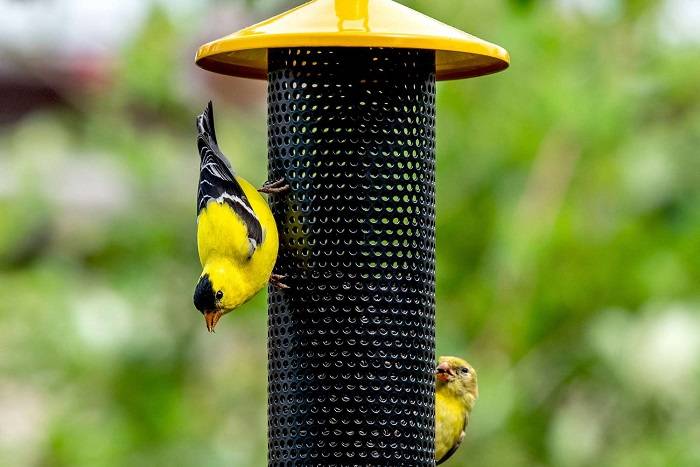
- Niger seed feeders are specialized bird feeders designed to dispense niger (thistle) seeds, which are small, oil-rich seeds favored by finches and other small songbirds. These feeders typically feature narrow feeding ports or mesh screens that allow birds to extract seeds while preventing spillage.
Benefits of Niger Seeds:
- Niger seeds are a nutritious and energy-rich food source for birds, providing essential fats, proteins, and carbohydrates. They are particularly attractive to finches, including goldfinches, siskins, and redpolls, which rely on niger seeds as a staple part of their diet, especially during the breeding season.
Types of Niger Seed Feeders
Tube Feeders:
- Tube feeders are the most common type of niger seed feeders, featuring cylindrical reservoirs with multiple feeding ports. These feeders come in various sizes and designs, including metal, plastic, and decorative options, and can accommodate different bird species.
Mesh Feeders:
- Mesh feeders consist of a wire mesh or screen that holds niger seeds while allowing birds to cling and extract the seeds. They are durable and suitable for year-round use, with the added advantage of providing excellent drainage to prevent seeds from becoming waterlogged.
Placement Tips

Location:
- Place niger seed feeders in a quiet, sheltered area away from high-traffic areas to minimize disturbance and ensure birds feel safe while feeding. Hang feeders at varying heights to accommodate different bird species’ feeding preferences.
Protection from Predators:
- Consider installing baffles or predator guards to deter squirrels, raccoons, and other animals from accessing the feeder. Additionally, positioning feeders at least 10 feet away from shrubs, trees, or structures can prevent ambush attacks by predators.
Birdwatching Delights
Goldfinches:
- Goldfinches are among the most frequent visitors to niger seed feeders, with their vibrant yellow plumage and acrobatic feeding behavior adding a splash of color and excitement to any backyard birdwatching experience.
Siskins and Redpolls:
- Siskins and redpolls, smaller members of the finch family, also flock to niger seed feeders, showcasing their charming presence and delightful chirps as they gather to feed.
Niger Seed Feeders
Regular Cleaning:
- Keep niger seed feeders clean and free of mold, bacteria, and debris by regularly washing them with warm, soapy water and disinfecting with a diluted bleach solution. Rinse thoroughly and allow the feeder to dry completely before refilling.
Seed Quality:
- Ensure the niger seeds you offer are fresh and free from dust, mold, or contaminants. Store seeds in a cool, dry place in airtight containers to maintain freshness and prevent spoilage.
Related Post:
Unveiling the Enigmatic Hoopoe: A Fascinating Journey into the Avian World
Discovering the Enchanting Endemic Birds of Hawaii
Unraveling the Mystery of Tawny Frogmouths: Are They Dangerous?
Niger seed feeders are invaluable tools for attracting a diverse array of small songbirds to your backyard, providing both nourishment and entertainment for birdwatchers of all ages. By understanding the benefits of niger seeds, selecting the right feeder type, and following placement and maintenance guidelines, you can create an inviting habitat that fosters the health and well-being of your feathered visitors. Whether you’re mesmerized by the acrobatic antics of goldfinches or charmed by the melodious songs of siskins and redpolls, niger seed feeders offer endless opportunities for birdwatching delights and connecting with nature’s wonders. So, set up your niger seed feeder, sit back, and enjoy the colorful spectacle of birds flocking to your garden oasis.
