

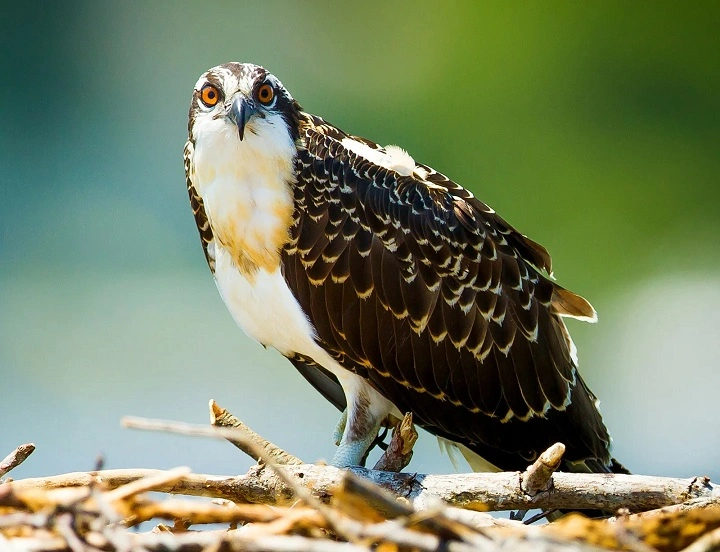
Raptors, also known as birds of prey, are among the most powerful and skilled predators in the avian world. With sharp talons, keen eyesight, and deadly beaks, these birds dominate the skies and play a crucial role in maintaining the balance of nature. Found on every continent except Antarctica, raptors capture the imagination of bird lovers, scientists, and wildlife enthusiasts alike.
From the silent flight of an owl to the high-speed dive of a falcon, raptors exhibit some of the most incredible adaptations in the animal kingdom. Let’s explore what makes raptors unique, the different types of birds of prey, and why they are so vital to ecosystems worldwide.
What Are Raptors?
The term “raptor” comes from the Latin word rapere, which means to seize or take by force. All raptors share three key traits:
- Strong, curved beaks designed for tearing flesh
- Sharp talons for grasping and killing prey
- Exceptional vision for spotting food from great distances
These traits help raptors hunt efficiently and dominate their habitats as top predators.
Types of Raptors

Raptors are a diverse group, including several families of birds, each with its own special features and hunting styles.
Eagles
Eagles are some of the largest and most powerful raptors. Known for their majestic appearance and incredible strength, eagles can carry prey as heavy as themselves. They often hunt fish, birds, and small mammals.
Examples: Bald eagle, golden eagle, harpy eagle
Hawks
Hawks are fast, agile hunters often seen soaring high in the sky or diving through woodlands. They typically prey on small birds, rodents, and reptiles.
Examples: Red-tailed hawk, Cooper’s hawk, sharp-shinned hawk
Falcons
Falcons are the speed demons of the bird world. They have narrow wings and streamlined bodies, allowing them to dive at jaw-dropping speeds to catch birds midair.
Examples: Peregrine falcon, kestrel, gyrfalcon
Owls
Owls are nocturnal raptors, meaning they hunt at night. They have silent flight, excellent hearing, and large eyes adapted for low light. Unlike other raptors, owls have facial discs that funnel sound to their ears.
Examples: Barn owl, great horned owl, snowy owl
Ospreys
Ospreys are fish specialists. They are often seen near lakes, rivers, and coastal areas, diving feet-first to snatch fish with their powerful talons. Ospreys are easily recognized by their white bellies and dark eye stripes.
Kites
Kites are graceful, light-bodied raptors known for their effortless gliding. They feed on insects, small mammals, and carrion. Some species, like the swallow-tailed kite, are especially agile in flight.
Harriers
Harriers hunt by flying low over fields and marshes. They use their keen vision and ability to glide quietly just above vegetation to surprise prey like mice and frogs.
Unique Features of Raptors
Raptors are not just powerful—they are built with amazing tools for survival.
Eyesight
Raptors have some of the best eyesight in the animal kingdom. An eagle, for example, can spot a rabbit from two miles away. Their eyes are specially adapted with more light receptors and a deeper field of focus.
Talons and Beaks
Their talons are like hooked weapons, designed for piercing and holding struggling prey. Their beaks are curved and sharp, perfect for ripping meat.
Flight Power
Raptors vary in their flight styles—falcons dive, hawks soar, owls glide silently—but all rely on strong chest muscles and broad wings for flight control.
What Raptors Eat
Raptors are carnivores, and their diet includes:
- Rodents and small mammals (mice, rabbits, squirrels)
- Fish (especially for ospreys and sea eagles)
- Reptiles and amphibians
- Birds (falcons often hunt other birds midair)
- Insects (especially for kites and kestrels)
- Carrion (vultures and some kites feed on dead animals)
Their varied diets help keep ecosystems in balance by controlling populations of small animals.
Raptors and Their Role in Nature
Birds of prey play a critical ecological role:
- They control pest populations, such as rodents and insects
- They act as environmental indicators—declines in raptor numbers often signal ecological problems
- They help clean up the environment by consuming dead animals (in the case of scavenging species)
Without raptors, prey populations could grow unchecked, leading to imbalances and even crop damage in human agriculture.
Raptors Around the World
Raptors are found across nearly every habitat on Earth. Here are a few fascinating examples from different regions:
- Africa: Martial eagles, secretary birds
- North America: Bald eagles, red-tailed hawks, great horned owls
- South America: Harpy eagles, black caracaras
- Asia: Himalayan vultures, crested serpent eagles
- Europe: Eurasian eagle-owls, common buzzards
- Australia: Wedge-tailed eagles, black kites
Each region’s raptors are adapted to local conditions, from mountains and deserts to wetlands and forests.
Threats Facing Raptors
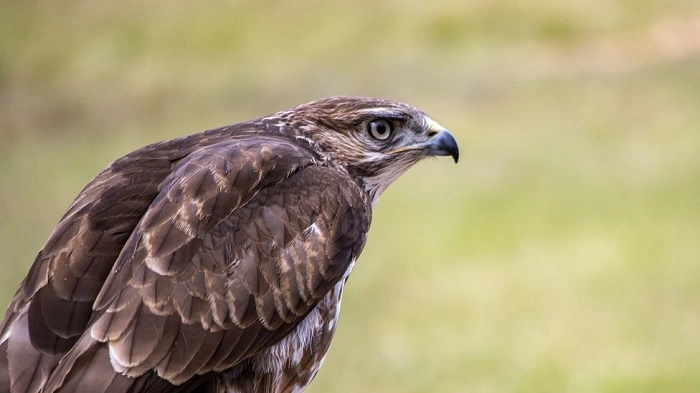
Despite their strength and status, many raptors face serious threats:
- Habitat loss from logging, farming, and urban development
- Pesticides and pollution that poison their prey or eggs
- Illegal hunting and trapping, especially in some regions
- Collisions with power lines or wind turbines
Conservation programs, legal protections, and public awareness have helped some species recover—but many are still at risk.
How to Support Raptors
You can help protect raptors by:
- Preserving natural habitats and supporting land conservation
- Avoiding rodenticides and pesticides that harm the food chain
- Installing nest boxes for owls and kestrels
- Reporting injured raptors to wildlife rehabilitation centers
- Supporting bird sanctuaries and educational programs
Encouraging native plant growth and maintaining clean, open areas around your home or farm can also create hunting grounds for local raptors.
FAQs
What is the difference between a raptor and a regular bird?
Raptors are carnivorous birds with sharp talons, hooked beaks, and excellent vision used for hunting.
Are owls considered raptors?
Yes. Though they hunt at night, owls share the same predatory features as other raptors.
Which raptor is the fastest?
The peregrine falcon holds the title for fastest bird, diving at speeds over 200 miles per hour.
Can raptors be kept as pets?
No. In most places, keeping a raptor as a pet is illegal without special permits. They belong in the wild or under professional care.
What is the largest raptor in the world?
The harpy eagle is one of the largest and most powerful raptors, found in the rainforests of Central and South America.
