


In the verdant woodlands and gardens of the United Kingdom, a tiny avian gem flits amongst the branches—the blue tit. With its vibrant plumage, cheerful song, and endearing antics, the blue tit is a beloved symbol of nature’s beauty and resilience. In this comprehensive exploration, we delve into the captivating world of the blue tit, uncovering its fascinating behaviors, ecological importance, and cultural significance in the British countryside.
The Splendor of the Blue Tit
Aesthetic Appeal:
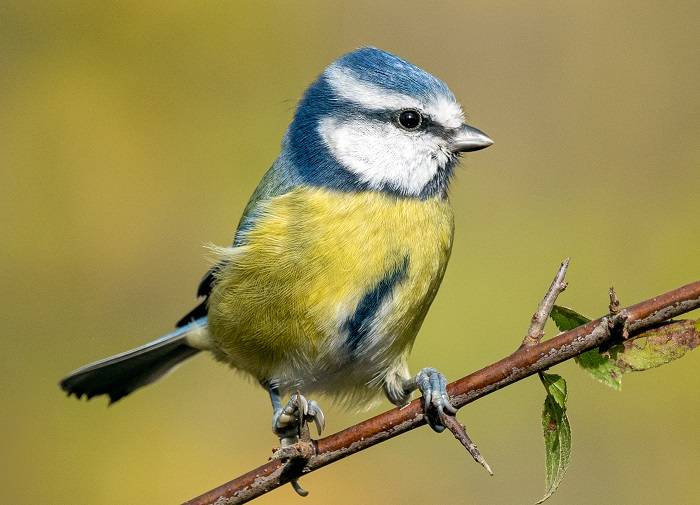
The blue tit is renowned for its striking appearance, featuring a bright azure crown, ultramarine wings, and a vivid yellow breast. Its colorful plumage, accented by contrasting patterns of white and black, lends it an exquisite charm that captivates birdwatchers and nature enthusiasts alike.
Adaptability and Versatility:
Despite its diminutive size, the blue tit is remarkably adaptable, thriving in a diverse range of habitats including woodlands, hedgerows, parks, and gardens. Its versatile diet and agile foraging techniques enable it to exploit a variety of food sources, from insects and seeds to fruits and suet.
Behavioral Insights
Social Structure:
Blue tits are highly social birds, forming loose flocks during the non-breeding season and establishing hierarchical dominance within their groups. While they are generally tolerant of conspecifics, disputes over food and territory may arise, leading to brief skirmishes and vocal displays.
Nesting Behavior:
During the breeding season, blue tits construct intricate nests in tree cavities, crevices, or nest boxes, lining them with moss, feathers, and other insulating materials. The female typically lays a clutch of eggs, which she incubates while the male provides food and defends the nest against predators.
Foraging Strategies

Insectivorous Diet:
Blue tits are voracious insectivores, preying on a wide variety of invertebrates including caterpillars, spiders, and beetles. Their agile, acrobatic foraging style involves probing, pecking, and gleaning insects from foliage, bark, and flowers with remarkable precision.
Seed and Nut Consumption:
In addition to insects, blue tits also consume seeds, nuts, and berries, particularly during the winter months when insect abundance is limited. They are frequent visitors to bird feeders, where they eagerly partake of sunflower seeds, peanuts, and suet balls provided by human observers.
Reproductive Biology
Courtship Rituals:
Courtship in blue tits is a lively affair, characterized by aerial displays, vocal duets, and ritualized feeding behaviors. Male blue tits showcase their vigor and vitality through intricate flights and melodious songs, while females evaluate potential mates based on their displays and genetic compatibility.
Parental Care:
Once the eggs hatch, both parents play active roles in rearing the chicks, provisioning them with food, warmth, and protection from predators. The demanding task of feeding hungry nestlings requires constant foraging efforts, with parents making frequent trips to and from the nest throughout the day.
Ecological Significance
Pest Control:
Blue tits play a vital role in pest control, particularly in agricultural landscapes where they help suppress populations of crop-damaging insects such as aphids, caterpillars, and sawflies. Their voracious appetites and insectivorous habits make them valuable allies for farmers and gardeners alike.
The Blue Tit
Seed Dispersal:
As opportunistic feeders, blue tits contribute to seed dispersal and plant regeneration by consuming a variety of seeds and fruits and dispersing them over wide areas through their droppings. This ecological service helps maintain plant diversity and ecosystem resilience in natural and urban environments.
Cultural Reverence
Folklore and Mythology:
Throughout history, blue tits have featured prominently in folklore, mythology, and literature, symbolizing qualities such as vitality, joy, and adaptability. In British folklore, blue tits were believed to possess magical powers and were revered as guardians of the forest and harbingers of good fortune.
Artistic Inspiration:
Blue tits have inspired countless artists, poets, and writers with their beauty and charm, appearing in paintings, poems, and stories as symbols of hope, beauty, and renewal. Their playful antics and colorful plumage evoke a sense of wonder and enchantment that transcends cultural boundaries.
Conservation Challenges
Habitat Fragmentation:
Habitat loss and fragmentation pose significant challenges to blue tit populations, particularly in urban and suburban areas where natural habitats are increasingly fragmented by roads, buildings, and other human developments. Protecting and restoring green spaces and wildlife corridors is essential for maintaining viable populations of blue tits and other woodland species.
Climate Change:
Climate change poses additional threats to blue tits, altering the timing of seasonal events such as breeding, migration, and food availability. Monitoring and mitigating the impacts of climate change on blue tit populations requires collaborative efforts and adaptive management strategies that address the complex interactions between climate, habitat, and species dynamics.
Related Post:
Unlocking the Mysteries of Duck Egg Laying: How Often Do Ducks Lay Eggs?
When Do Ducks Start Quacking? Unraveling the Quack-tastic Mystery
Exploring the Enigmatic Ancona Duck: A Quirky, Beautiful, and Versatile Breed
In conclusion, the blue tit serves as a living testament to the beauty and resilience of nature, enriching our lives and ecosystems with its vibrant presence and endearing behaviors. By fostering a deeper appreciation for the blue tit and its ecological significance, we can inspire conservation action and collective stewardship to ensure that these cherished birds continue to grace our woodlands and gardens for generations to come. Let us cherish and protect this avian jewel, honoring its role as a symbol of vitality, beauty, and harmony in the British countryside.
