


Birds, with their keen eyesight and diverse color vision, are naturally drawn to a variety of colors in their environment. Understanding the color preferences of birds can offer valuable insights into their behavior, habitat selection, and foraging habits. In this blog post, we delve into the fascinating world of avian color perception, exploring the colors that attract birds and the factors that influence their visual preferences.
The Importance of Color in Bird Perception

Color Vision in Birds:
- Birds possess highly developed color vision, often surpassing that of humans. Many bird species have four types of color receptors in their eyes, enabling them to perceive a wide range of colors across the spectrum, including ultraviolet (UV) light.
Visual Communication:
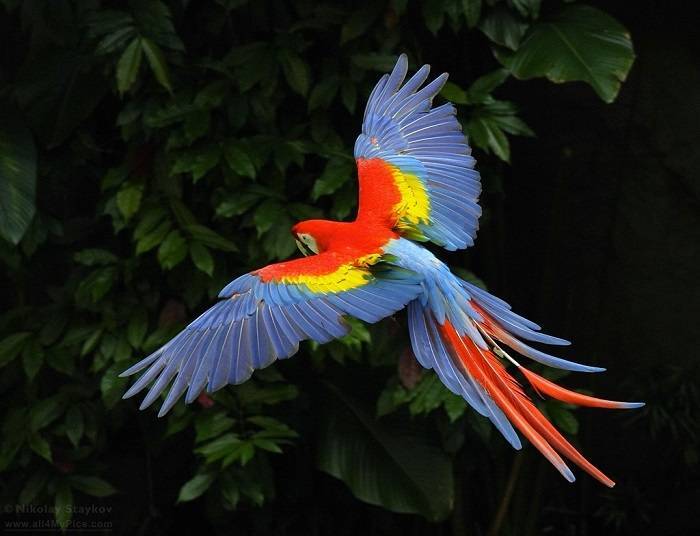
- Color plays a crucial role in avian communication, with birds using vibrant plumage, displays, and vocalizations to convey information about their identity, health, reproductive status, and social rank to potential mates, rivals, and offspring.
Colors That Attract Birds
Red:
- Red is a highly attractive color for many bird species, particularly those that feed on fruits and berries. The vibrant red hues of ripe fruits and berries signal to birds that they are ripe and nutritious, making them an irresistible food source.
Orange and Yellow:
- Birds are also drawn to colors such as orange and yellow, which are commonly associated with ripe and energy-rich foods like nectar, pollen, and seeds. Flowers with bright yellow or orange blooms, such as sunflowers and marigolds, are popular among nectar-feeding birds like hummingbirds and orioles.
Blue and Purple:
- Blue and purple hues are attractive to birds, especially those that forage for insects and seek out sources of water. Bodies of water with blue or purple reflections, such as ponds, lakes, and rivers, are often frequented by waterfowl, waders, and songbirds.
White:
- White is a versatile color that can attract birds in various contexts. White flowers, for example, are visited by pollinators like bees and butterflies, which in turn attract insectivorous birds seeking protein-rich prey.
Ultraviolet (UV) Patterns:
- Some bird species have the ability to perceive ultraviolet (UV) light, which is invisible to the human eye. Birds with UV-sensitive vision can detect UV patterns on flowers, feathers, and other objects, which may serve as visual cues for foraging, mate selection, and navigation.
Factors Influencing Color Preferences
Foraging Behavior:
- Birds’ color preferences are often influenced by their foraging behavior and dietary preferences. Species that rely on specific food sources, such as fruits, insects, or nectar, are more likely to be attracted to colors associated with those foods.
Breeding Plumage:
- During the breeding season, male birds often develop vibrant and colorful plumage to attract mates and establish their dominance. Female birds may be more attracted to males with bright and conspicuous colors, indicating their genetic fitness and ability to provide for offspring.
Habitat and Camouflage:
- Birds’ color preferences may also be influenced by their habitat and the need for camouflage and concealment from predators. Birds that inhabit open grasslands or desert environments may be attracted to earthy tones and muted colors that blend in with their surroundings.
The Color Preferences of Birds
Planting Bird-Friendly Flowers:
- To attract birds to your garden, consider planting a variety of flowers in different colors, shapes, and sizes. Native plants that produce nectar-rich blooms, such as coneflowers, bee balm, and salvia, are particularly attractive to hummingbirds, butterflies, and other pollinators.
Providing Colorful Bird Feeders:
- Bird feeders can be stocked with a variety of seeds, nuts, fruits, and suet blends to attract a diverse range of bird species. Choose bird feeders in bright colors, such as red, orange, or yellow, to make them more visible and appealing to birds.
Related Post:
Unlocking the Egg-Laying Mystery: When Do Ducks Start Laying Eggs?
Choosing the Perfect Pet Duck: A Comprehensive Guide
Discovering the Enigmatic World of Rare Duck Breeds
The colors that attract birds are as diverse and varied as the birds themselves, reflecting their evolutionary adaptations, foraging habits, and visual preferences. By understanding the role of color in bird perception and behavior, we can create bird-friendly environments that provide food, shelter, and nesting sites for our avian friends. Whether planting colorful flowers in our gardens or stocking vibrant bird feeders, we can enhance our appreciation of birds and contribute to their conservation and well-being. So, the next time you admire the beauty of a bird’s plumage or marvel at its graceful flight, take a moment to consider the colors that attract it and the intricate role they play in the fascinating world of avian life.
