


Picture this: you’re sitting at home, perhaps enjoying a quiet afternoon, when suddenly you hear a cacophony of bird calls and see a flurry of activity outside your window. Birds seem to be darting back and forth, chirping loudly, and displaying unusual behavior. What could be the meaning behind this sudden commotion? In this blog post, we delve into the intriguing phenomenon of birds going crazy outside, exploring the various factors that may contribute to such behavior and deciphering the potential meanings behind it.
Environmental Factors and Bird Behavior
Weather Events:
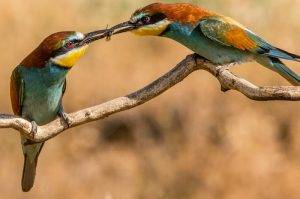
One common reason for birds exhibiting unusual behavior is changes in weather patterns. Sudden shifts in temperature, strong winds, or approaching storms can disrupt birds’ normal routines and trigger heightened activity levels as they adjust to the changing conditions.
Predator Threats:
Another possible explanation for birds going crazy outside is the presence of predators in the vicinity. Birds have keen senses and are quick to detect potential threats, such as neighborhood cats, birds of prey, or other predators. The sight or scent of a predator can cause alarm calls and frantic behavior as birds attempt to warn each other and evade capture.
Feeding Frenzy:
Sometimes, birds may appear to be going crazy outside due to the abundance of food sources in the area. For example, the sudden emergence of a swarm of insects or the ripening of fruit trees may attract large numbers of hungry birds, leading to frenzied feeding activity and vocalizations.
Communication and Social Dynamics
Territorial Disputes:
Birds are highly territorial creatures and often engage in vocal and physical displays to defend their territories from intruders. The sight of neighboring birds encroaching on their territory or attempting to steal their food sources can trigger aggressive behavior and loud vocalizations as birds assert their dominance and establish boundaries.
Mating Season:
During the breeding season, birds may exhibit heightened levels of activity and vocalizations as they engage in courtship displays and compete for mates. Male birds may engage in elaborate song performances to attract females, while females may vocalize to advertise their availability and select suitable partners.
Social Interactions:
Birds are inherently social animals and often engage in complex social interactions with members of their own species and other bird species. Flocks of birds may gather in communal roosting sites or feeding areas, where they engage in mutual grooming, flocking behavior, and coordinated movements.
Human-Induced Disturbances
Urban Noise Pollution:

The presence of human-made noise, such as traffic, construction activities, or loud music, can disrupt birds’ natural behavior and trigger stress responses. Birds may become agitated and vocalize loudly in response to perceived threats or disturbances caused by human activities.
Artificial Lights:
Artificial lights from buildings, street lamps, or vehicle headlights can also impact bird behavior, particularly during the nighttime. Bright lights may disorient birds, interfere with their navigation abilities, and disrupt their sleep patterns, leading to increased agitation and vocalizations.
Deciphering the Meaning Behind Bird Behavior
Observational Clues:
When trying to understand the meaning behind birds going crazy outside, it’s essential to observe their behavior closely and look for patterns or clues that may provide insights into their motivations. Pay attention to factors such as the time of day, weather conditions, presence of predators, and social dynamics among the birds.
The Meaning Behind Birds Going Crazy Outside
Context plays a crucial role in interpreting bird behavior, as what may seem like “crazy” behavior to us may be perfectly normal for birds in their natural environment. Consider the specific ecological context in which the behavior is occurring and how it relates to the birds’ natural instincts, needs, and survival strategies.
Related Post:
Unraveling the Complex World of Aggressive Male Duck Behavior
Deciphering the Ideal Space Requirements for Ducks
Unveiling the Mysterious Egg-Laying Habits of Ducks
Exploring the Essential Role of Duck Grit in Avian Health
In conclusion, birds going crazy outside can be attributed to a variety of factors, including environmental conditions, social dynamics, and human-induced disturbances. By taking the time to observe and understand their behavior, we can gain valuable insights into the fascinating world of avian communication, social interactions, and survival strategies. Rather than viewing such behavior as chaotic or irrational, we should appreciate the complexity and adaptability of birds in responding to their ever-changing environment. So, the next time you witness birds going crazy outside, take a moment to marvel at the intricacies of their behavior and the rich tapestry of life unfolding right outside your window.
