

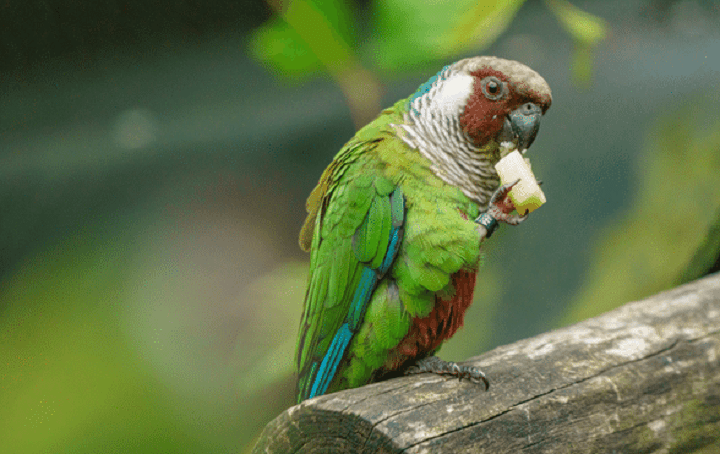
Parrots are renowned for their intelligence, adaptability, and ability to learn a wide range of tricks and behaviors. Whether you have a playful budgerigar or a clever African Grey, training your parrot can be a rewarding experience that strengthens the bond between you and your feathered companion. However, successful training often relies on one crucial element: the right training treats.
In this comprehensive guide, we’ll explore the world of training treats for parrots, helping you understand their importance, choose the best options, and make training an enjoyable and productive endeavor for both you and your feathered friend.
Why Are Training Treats Important for Parrots?
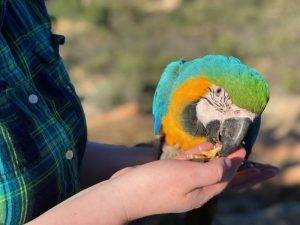
Training treats serve as powerful motivators when teaching parrots new behaviors or reinforcing existing ones. Here’s why they are so crucial in the training process:
- Positive Reinforcement: Parrots, like many animals, respond well to positive reinforcement. Offering a tasty treat as a reward for desired behavior reinforces that behavior and encourages your parrot to repeat it.
- Motivation: Training treats are excellent motivators. When your parrot knows that a tasty reward awaits them for following a cue or performing a trick, they are more likely to engage enthusiastically in the training session.
- Bonding: Sharing training sessions and treats with your parrot fosters a stronger bond between you. It’s a time for interaction, communication, and mutual trust-building.
- Focus: Training treats can help capture and maintain your parrot’s attention during training. They serve as a clear signal that it’s time to work together.
Choosing the Right Training Treats
Not all treats are created equal when it comes to training parrots. Here are some key factors to consider when selecting the best training treats:
Size and Portability
Training treats should be small, bite-sized, and easy to handle. This makes it convenient to offer quick rewards during training sessions without interrupting the flow. Look for treats that can be broken into smaller pieces if needed.
Taste Preferences
Just like humans, parrots have individual taste preferences. Pay attention to what your parrot enjoys most. Some might prefer nuts, while others love dried fruits or seeds. Experiment with different options to find the treats that truly excite your feathered companion.
Nutritional Value
While training treats are meant to be small and indulgent, they should still provide some nutritional value. Avoid treats that are high in sugar, salt, or unhealthy additives. Opt for treats that offer a balance between taste and nutrition.
Variety
Parrots appreciate variety in their diet and treats. Rotating between a few different types of training treats can keep your parrot engaged and interested in the training process. Just ensure that all the treats are safe and suitable for your bird’s species.
Allergies and Dietary Restrictions
Consider any allergies or dietary restrictions your parrot may have. Some birds might have sensitivities to certain ingredients, so it’s essential to choose treats that won’t upset their stomach or trigger allergies.
Freshness and Quality
Select high-quality treats that are fresh and free from contaminants. Look for reputable brands and check for any recalls or safety concerns related to the treats you choose.
The Best Training Treat Options for Parrots
Now that we’ve covered what to look for in training treats, let’s explore some of the best options for your parrot:
Nutri-Berries
Nutri-Berries are small, round treats that combine seeds, grains, and fruits. They are often praised for their taste and nutritional content. Nutri-Berries can be easily broken into smaller pieces, making them ideal for training.
Dried Fruit Bits
Dried fruit bits, such as dried apple, banana, or papaya, can be excellent training treats. They are naturally sweet and appealing to many parrots. Ensure they are free from added sugars or preservatives.
Small Nut Pieces
Nuts like almonds, cashews, and walnuts can be a hit with parrots. Be sure to break them into smaller, manageable pieces to avoid overindulgence, as nuts are high in fat.
Mini Rice Cakes
Mini rice cakes are a low-calorie option that many parrots enjoy. They can be especially useful when training birds that need to watch their weight.
Vegetable Cubes
Small cubes of fresh vegetables like carrot, bell pepper, or cucumber can serve as healthy training treats. They are low in calories and provide essential nutrients.
Commercial Parrot Treats
There are many commercially available parrot treats specifically designed for training. These treats often come in small, convenient sizes and a variety of flavors.
Homemade Training Treats
You can create your own training treats at home using ingredients your parrot loves. For example, mix together whole-grain cereal, unsalted popcorn, and small pieces of fresh fruit. Bake or dehydrate the mixture until it’s firm enough to break into small treats.
Clicker Training
In clicker training, you can use a clicker as a reward signal instead of physical treats. After your parrot performs the desired behavior, you click the clicker to indicate success, and then you follow up with a treat later. This method can be effective, especially for parrots on a restricted diet.
What Are the Best Training Treats for Parrots
Now that you have a variety of training treats at your disposal, here are some tips to make your training sessions with your parrot more effective and enjoyable:
- Start Small: Begin with simple commands and short training sessions, gradually increasing the complexity and duration as your parrot becomes more comfortable.
- Be Consistent: Use the same command words and cues consistently during training sessions. This helps your parrot understand what’s expected.
- Use Positive Reinforcement: Always reward your parrot immediately after they perform the desired behavior. Timing is crucial for effective training.
- Stay Patient: Training takes time and patience. If your parrot doesn’t grasp a concept right away, don’t get discouraged. Keep the sessions positive and enjoyable.
- Keep It Fun: Training should be a fun and engaging activity for both you and your parrot. Use treats, toys, and enthusiastic praise to keep the sessions enjoyable.
- End on a Positive Note: Always end training sessions with a simple, well-known command that your parrot can easily perform, followed by a treat and praise. This leaves a positive impression and reinforces their training experience.
Related Post:
Legal Grounds for Obtaining a Residence Permit in Serbia
Unlocking the Mystery of Unfertilized Duck Eggs
Discovering the Allure of the Swedish Blue
Training treats are invaluable tools for teaching your parrot new tricks, behaviors, and commands. By selecting the right treats based on your parrot’s preferences and nutritional needs, you can create engaging and effective training sessions that strengthen your bond and enhance your parrot’s mental stimulation.
Remember that training should always be a positive and enjoyable experience for your parrot. With patience, consistency, and the right treats, you can achieve great results while having a fantastic time with your feathered companion.
