

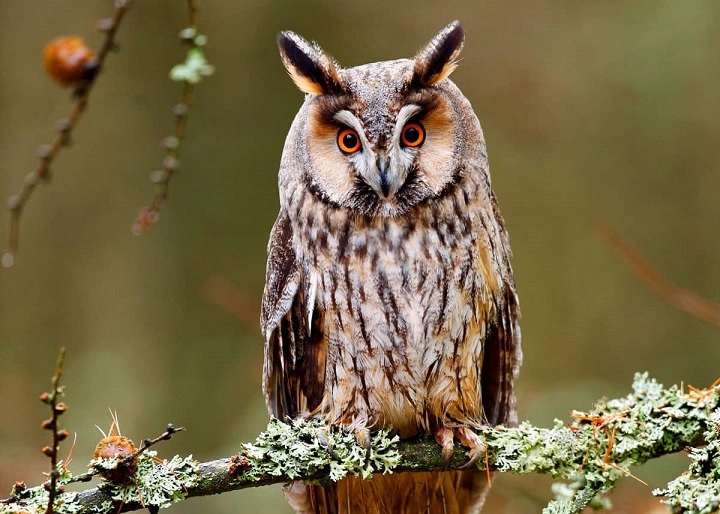
When the sun goes down and the skies darken, most birds settle into their roosts for a night of rest. But not all avian creatures go to sleep at sunset. Some birds are just getting started. These are the nocturnal birds—species that are active at night, perfectly adapted for life in the dark.
From haunting owl calls to the eerie sounds of nightjars, nocturnal birds lead secretive lives that many people never witness. So what birds are nocturnal, and how do they survive and thrive when the world is sleeping?
Let’s explore the fascinating world of nighttime birds, how they function, and which species you might be lucky enough to spot under the moonlight.
What Does It Mean to Be Nocturnal?
A nocturnal bird is one that is primarily active during the night and rests or sleeps during the day. These birds are built for low-light conditions, often having:
- Exceptional night vision
- Enhanced hearing
- Camouflaged plumage
- Silent flight (in some species)
Being nocturnal helps them avoid daytime predators, reduce competition for food, and take advantage of quiet nighttime hunting.
Owls: The Most Famous Nocturnal Birds
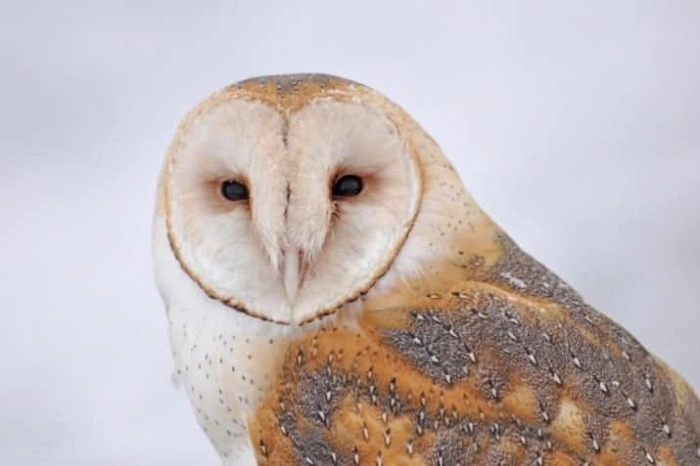
When most people think of nighttime birds, owls come to mind immediately—and for good reason. Owls are the most well-known nocturnal birds in the world, with over 200 species adapted for hunting in the dark.
Common Nocturnal Owl Species
- Barn Owl – Recognizable by its heart-shaped face and eerie screech.
- Great Horned Owl – One of the largest and most powerful night hunters in North America.
- Eastern Screech Owl – Small, with a haunting trill that fills the night.
- Snowy Owl – Mostly diurnal but becomes more active during darker winter months.
- Barred Owl – Known for its classic “who cooks for you” call.
Owls have forward-facing eyes, giving them excellent depth perception, and asymmetrical ears to locate prey by sound. Their flight is nearly silent due to specialized feathers that reduce turbulence.
Nightjars and Nighthawks: The Ghostly Gliders
Nightjars and nighthawks are insect-eating birds with long wings, wide mouths, and cryptic plumage. They are active at dusk and night, feeding on flying insects midair.
Notable Nightjar Species
- Common Nighthawk – Seen flying over city lights at dusk, making sharp peent calls.
- Eastern Whip-poor-will – Named for its repetitive call that echoes through forests.
- Chuck-will’s-widow – Found in the southeastern U.S., this bird blends perfectly with forest floors during the day.
These birds are masters of camouflage, often resting motionless on branches or leaf litter, blending in seamlessly with bark and ground.
Frogmouths: The Masters of Stealth
Native to Australia and Southeast Asia, frogmouths resemble owls but belong to a different family. They have broad beaks, heavy eyelids, and excellent camouflage.
Examples of Frogmouths
- Tawny Frogmouth – Often mistaken for a tree branch while roosting.
- Papuan Frogmouth – The largest species, found in New Guinea and northern Australia.
Frogmouths are nocturnal insect hunters that rely on patience, stealth, and excellent night vision.
Oilbirds: Cave-Dwelling Night Navigators
Oilbirds are among the most unusual nocturnal birds. Found in northern South America, these birds live in caves and feed on fruit at night. They use echolocation—a rare ability in birds—to navigate in complete darkness.
Oilbirds produce rapid clicking sounds that bounce off cave walls, helping them fly through pitch-black spaces much like bats.
Night Herons: Stealthy Water Hunters
Unlike their daytime cousins, night herons are active at night, wading through wetlands to hunt fish, frogs, and insects.
Common Night Heron Species
- Black-crowned Night Heron – The most widespread, found on every continent except Australia and Antarctica.
- Yellow-crowned Night Heron – Prefers crustaceans and is common in marshes and coastal areas.
They hunt slowly and patiently, often standing still for long periods before striking with lightning speed.
Kiwi Birds: Shy Nocturnal Foragers
Found only in New Zealand, kiwis are flightless, nocturnal birds with long beaks and excellent sense of smell—something rare among birds.
Kiwis use their beaks to probe the soil for worms, insects, and seeds. Their nostrils are located at the tip of their beaks, helping them sniff out food at night.
Other Birds That Are Active at Night
While not strictly nocturnal, some birds exhibit crepuscular (dawn and dusk) or partially nocturnal behavior, especially during specific seasons or life stages.
- Corncrake – A secretive European bird with a nighttime call.
- Bitterns – Secretive water birds known for booming calls at night.
- European Robin – Sometimes sings at night in urban areas with artificial lighting.
- Killdeer – A shorebird that feeds both day and night, especially during migration.
- Swifts – Occasionally fly at night during migration or to avoid predators.
Why Some Birds Are Nocturnal
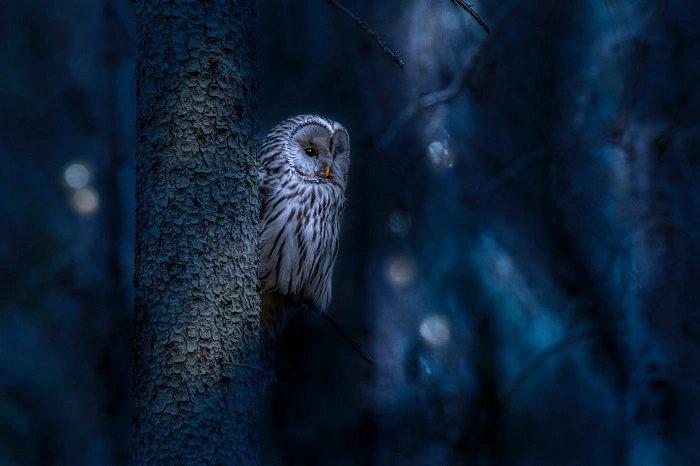
There are several reasons why certain birds evolved to be active at night:
- Avoiding predators – Nighttime activity helps evade hawks and eagles.
- Reducing competition – Less competition for food compared to daytime hunters.
- Temperature regulation – In hot climates, night activity avoids daytime heat.
- Specialized diets – Some birds feed on insects that are only active at night.
How to Spot Nocturnal Birds
Seeing nocturnal birds takes patience and the right conditions:
- Go out at dusk or early night, especially in quiet, rural areas.
- Listen for distinctive calls or hoots.
- Use a red-filter flashlight to avoid disturbing their night vision.
- Visit habitats where they’re commonly found: forests, wetlands, or even city parks.
Keep your distance and avoid shining bright lights at roosting or hunting birds.
FAQs
What birds are active at night?
Owls, nightjars, nighthawks, frogmouths, night herons, oilbirds, and kiwis are among the most notable nocturnal birds.
Are all owls nocturnal?
Most owls are nocturnal, but some species, like the northern hawk owl or snowy owl, are active during the day.
Why do some birds sing at night?
Some birds sing at night to defend territory, attract mates, or respond to artificial light in urban areas.
Can nocturnal birds see in complete darkness?
No bird sees in total darkness, but nocturnal birds have excellent low-light vision to navigate and hunt at night.
Is it okay to feed nocturnal birds?
Most nocturnal birds are wild hunters. It’s best to support them by preserving habitat and reducing pesticide use rather than offering food directly.
