

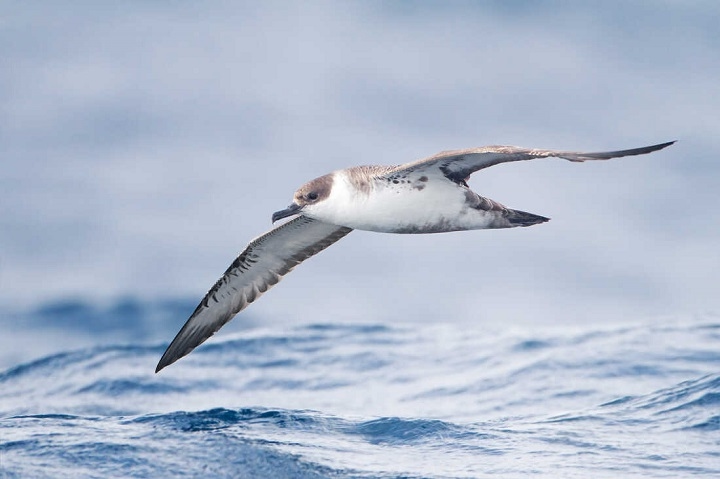
Seabirds are fascinating birds that inhabit sea environments. And most of them migrate across the sea. The diet of seabirds is a significant aspect of their lives and determines what they eat, where they eat, and even where they make their migrations. Their diet provides a hint at their role in the environment and how they have adapted to life surrounding and in water.
Types of Sea Birds and Their Diet
Seabirds vary in their diet, based on their species, habitat, and feeding habits. Some eat on the surface, while others dive down to locate their food. Following is a description of different seabirds and what they eat:
Sea Bird Diet Table
| Sea Bird | Major Diet | Meaning of Feeding Habits |
| Gulls | Fish, crustaceans, insects, trash | Opportunistic feeders |
| Albatrosses | Squid, fish, krill | Surface foragers, scavengers |
| Pelicans | Fish | Scoop feeding |
| Puffins | Fish, squid | Diving birds |
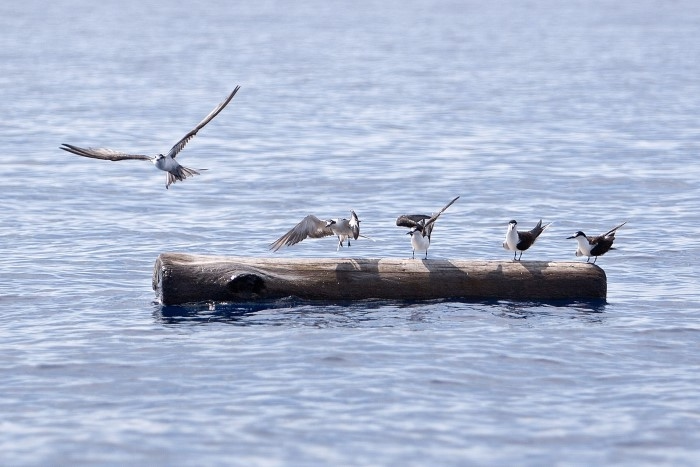
| Terns | Small fish, insects | Plunge diving |
| Cormorants | Fish, amphibians | Chasing underwater |
| Shearwaters | Fish, squid, krill | Surface foraging |
| Petrels | Small fish, crustaceans | Scavenging, diving |
Major Food Sources of Seabirds
Seabirds use a variety of marine food to obtain their nutritional needs.
Fish
Fish constitute a major part of the diet of the majority of seabirds. Birds may eat small fish like anchovies, herring, and sardines or large fish like mackerel and cod, depending on the bird species. Puffins and pelicans are bird hunters that primarily eat fish as their diet.
Squid and Other Cephalopods
Albatrosses, petrels, and shearwaters are consumers of squid and other cephalopods. Squid are rich in nutrients and offer seabirds the energy they need for long sea flights. Birds obtain squid close to the ocean surface or dive deep for it.
Crustaceans
Seabirds such as petrels and terns feed on small crustaceans such as shrimps, krill, and crabs. These small ocean animals form a large part of most ocean food chains.
Plankton and Jellyfish
Some seabirds feed on plankton and small jellyfish, although more characteristic of birds using filter-feeding. Storm petrels and certain shearwaters are seabirds that feed on planktonic organisms suspended near the surface of the sea.
Insects
Other seabirds, particularly shore-nesting seabirds, also consume insects. Gulls and terns will also capture aerial insects or scavenge on beaches for insects.
Garbage and Carrion
Omnivorous gulls will eat almost everything, from dead fish to rubbish and other waste, including man’s rubbish. They are notorious scavengers in the area surrounding boats, piers, and dumps.
How Do Sea Birds Hunt for Food?
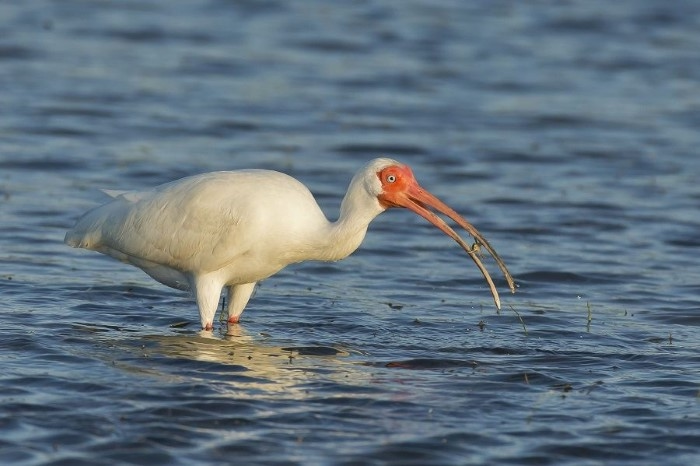
Seabirds have evolved various methods of feeding in order to catch prey in their marine environment.
Surface Feeding
Albatrosses and shearwaters are a family of seabirds that feed on the surface of the sea. The birds utilize their keen vision to spot fish, squid, or krill near the sea surface.
Plunge Diving
Birds such as boobies and terns employ plunge diving. They see fish breaking the surface, dive from overhead to plunge-dive, and pick up their prey with precision. A streamlined body and tapering beak allow them to plunge into the water with incredible speed.
Pursuit Diving
Puffins, cormorants, and murres are pursuit-diving birds and chase fish underwater. They are effective swimmers due to their webbed feet and strong wings and can capture fast fish.
Scoop Feeding
Pelicans eat fish that they scoop from the surface of the water with their big, pouched bill. They take up the surplus water before eating the catch. This technique is highly efficient in capturing a group of different fish.
Scavenging
Gulls and opportunistic birds scavenge food from many sources, including fishing boats, wharves, and towns. They are extremely versatile and will eat almost anything.
Seabird Diet Adaptations
Seabirds also have unique adaptations to enable them to live in the sea habitat.
Salt Glands
Since seabirds consume salty fish and seawater, they also have specialized salt glands above their eyes. These discharge excess salt so that they can stay hydrated without access to freshwater.
Hooked Beaks
Seabirds have pointed or hooked beaks that they use to grab and hold fish that have slippery bodies. Albatrosses, petrels, and shearwaters all have this so that they can hold onto their prey.
Webbed Feet
Puffins, pelicans, and cormorants are birds of the sea that have webbed feet, which support them in their swimming efficiency in searching for food underwater.
The Impact of Human Activities on Seabirds’ Diets
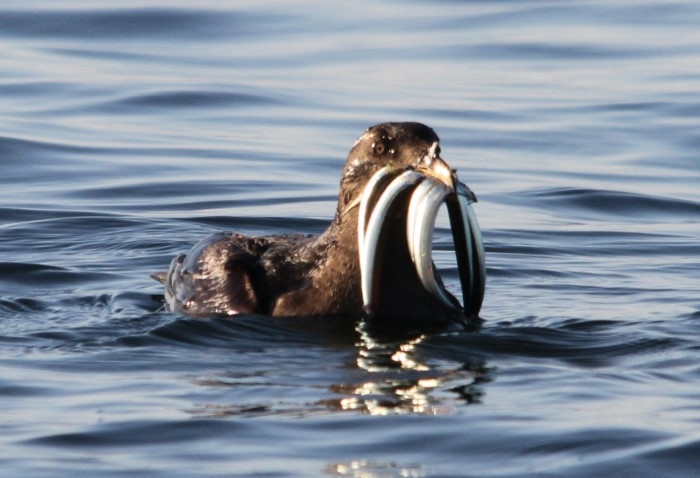
Seabirds face increasing pressure from human activities affecting seabirds’ natural food sources.
Overfishing
Depletion of fish stock impacts seabird species that feed on small fish like herring and anchovies. As the numbers of fish decrease, it becomes difficult for seabirds to find enough food.
Plastic Pollution
Seabirds swallow plastic rubbish in error, believing it is food. It triggers digestive problems, malnutrition, and mortality.
Habitat Destruction
Coastal development and pollution reduce the safe areas where seabirds can feed and nest. This forces them to search for food in alternative or less suitable locations.
Climate Change
Ocean temperature and current changes affect fish and squid distribution, making it harder for seabirds to get their ideal food source.
How to Help Protect Seabird Food Sources
People can do their bit to safeguard seabirds and their natural food chain:
- Support Sustainably Fished Seafood – Buy seafood from fishermen who use good fishing.
- Reduce Plastic Pollution – Reduce single-use plastic and assist with beach clean-ups.
- Preserve Coastal Ecosystems – Endorse and participate in conservation activities that protect breeding grounds and ocean wildlife.
- Get Others Involved – Inform others about problems seabirds are experiencing with pollution and overfishing.
What Do Sea Birds Eat
FAQs
What do seabirds predominantly eat?
Seabirds mainly eat fish, squid, crustaceans, and other sea foods.
Does seawater force seabirds to drink?
They do, but they also possess specialized salt glands to excrete excess salt from the body.
How does a seabird trap fish?
They use diversified methods such as surface feeding, plunge diving, and pursuit diving to trap their food.
Why do some seabirds eat plastic?
They mistakenly consume plastic waste, thinking it is food, which harms their digestive system.
How do we assist in protecting seabirds’ food?
By reducing plastic litter, supporting sustainable fishing methods, and protecting marine coastal ecosystems.
