

Birds, with their diverse species and fascinating behaviors, have long captured the curiosity and admiration of humans. From the majestic eagle soaring through the sky to the tiny hummingbird flitting among flowers, birds inhabit virtually every corner of the globe, playing vital roles in ecosystems and captivating observers with their beauty and grace. In this blog post, we delve into the terminology used to describe birds at different stages of their development, focusing particularly on the term for a young bird and exploring the fascinating world of avian biology and ecology.
Defining Avian Terminology: From Nestling to Fledgling
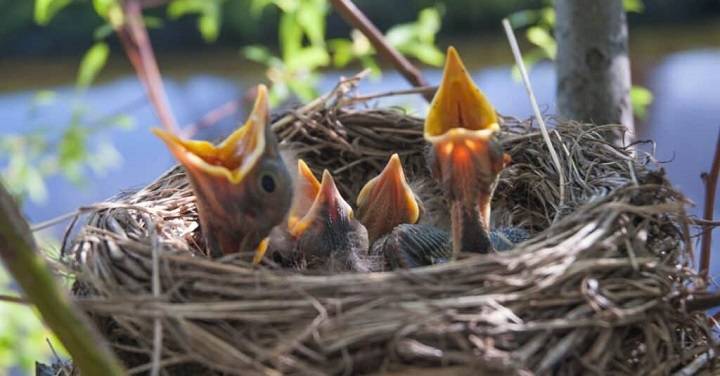
In the realm of ornithology, the scientific study of birds, precise terminology is used to describe birds at various stages of their life cycle. A young bird that has recently hatched from an egg and is still largely dependent on its parents for food and care is known as a “nestling.” Nestlings are typically born naked or with sparse down feathers and are unable to regulate their body temperature, requiring constant attention and warmth from their parents. As they grow and develop, nestlings gradually acquire feathers and develop the strength and coordination needed to leave the nest.
The Transition to Independence: Fledglings and Juveniles
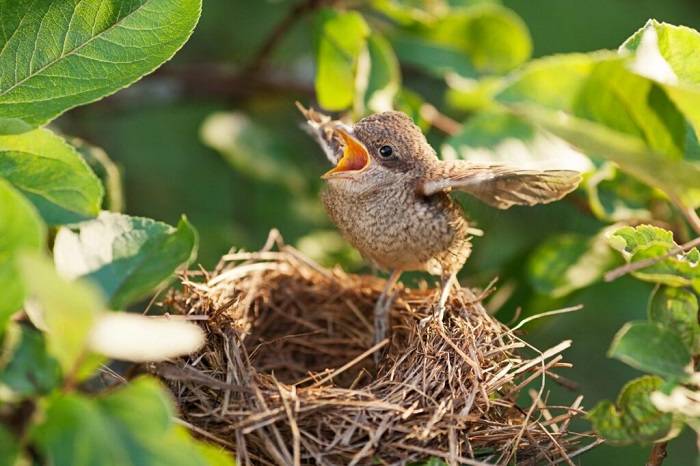
Once a nestling has reached a certain stage of development and is ready to leave the nest, it is referred to as a “fledgling.” Fledglings are characterized by their ability to leave the nest and move about independently, albeit with some assistance and guidance from their parents. While fledglings may still rely on their parents for food and protection, they are beginning to explore their surroundings and develop the skills necessary for survival in the wild. As fledglings mature and gain experience, they eventually transition into juveniles, which are young birds that have attained full independence from their parents and are capable of surviving on their own.
Factors Influencing Development: Species Variation and Environmental Factors
The rate at which young birds develop and transition through different stages of their life cycle can vary significantly depending on species and environmental factors. Some bird species, such as precocial birds like ducks and geese, are born with well-developed feathers and are able to walk, swim, and feed themselves shortly after hatching. In contrast, altricial birds like songbirds and raptors are born relatively helpless and require extensive parental care and feeding during the early stages of life. Environmental factors such as food availability, habitat quality, and predation risk can also influence the development and survival of young birds.
Challenges and Dangers Faced by Young Birds

The journey from nestling to fledgling to juvenile is fraught with challenges and dangers for young birds. Predation by predators such as snakes, mammals, and other birds poses a constant threat to nestlings and fledglings, especially during vulnerable periods when they are unable to defend themselves. Inclement weather, habitat destruction, and human interference can also pose significant risks to the survival of young birds, highlighting the importance of conservation efforts and habitat protection to ensure their continued well-being.
The Role of Parental Care and Behavior
Parental care plays a crucial role in the development and survival of young birds, providing them with essential nutrients, protection, and guidance during their formative stages of life. Both male and female birds may participate in feeding, brooding, and defending the nest, with some species exhibiting complex social behaviors and cooperative breeding strategies to ensure the success of their offspring. The bond between parent and offspring is a powerful force in the avian world, driving parents to sacrifice their own well-being for the sake of their young.
What is a Young Bird Called
As human populations continue to expand and encroach upon natural habitats, young birds face increasing threats from urbanization, pollution, and climate change. Conservation efforts aimed at protecting critical habitats, reducing human disturbances, and mitigating the impacts of environmental degradation are essential for ensuring the survival of young birds and preserving biodiversity. Public awareness and education campaigns can also play a crucial role in fostering appreciation for birds and promoting responsible stewardship of the natural world.
Related Post:
Exploring the Fascinating World of Male, Female, and Male Muscovy Ducks
Unveiling the Spectrum of Colored Duck Eggs: Nature’s Palette of Surprises
Unlocking the Secrets of Duck Hatching: From Egg to Duckling
The terminology used to describe young birds reflects the intricate stages of development and the remarkable journey they undertake from birth to independence. From helpless nestlings reliant on parental care to fledglings taking their first tentative flights, young birds embody the resilience, adaptability, and beauty of the natural world. As stewards of the planet, it is our responsibility to protect and preserve the habitats and ecosystems that young birds depend on for their survival. By celebrating the diversity and resilience of young birds, we can ensure a brighter future for generations to come, where birds continue to enchant and inspire us with their presence and vitality.
