

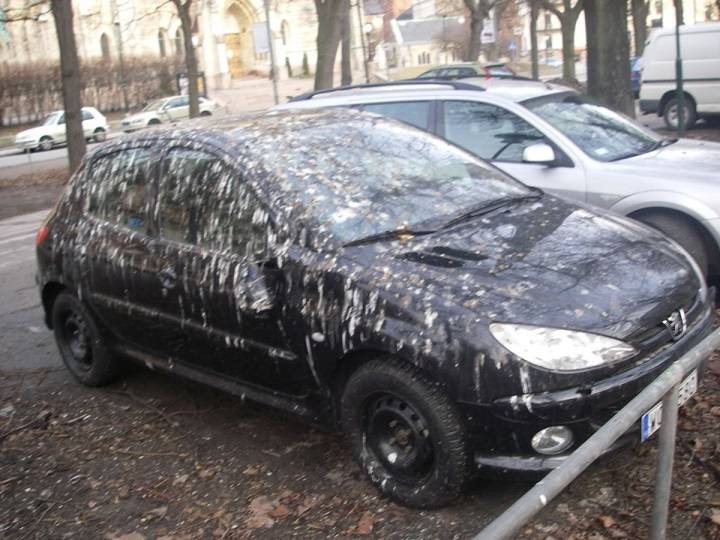
It’s a scenario that every car owner dreads: you walk outside to find your pristine vehicle adorned with unsightly splatters of bird droppings. While it’s easy to dismiss bird poop as an inconvenience or a nuisance, some people believe that it carries deeper significance or symbolism. In this blog post, we’ll delve into the age-old question of what it means when birds poop on your car, exploring various cultural beliefs, superstitions, and scientific explanations behind this common phenomenon.
Cultural Beliefs and Superstitions
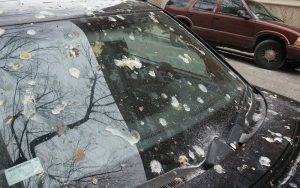
Across different cultures and traditions, bird poop has been associated with a variety of beliefs, superstitions, and omens. In some cultures, bird droppings are considered a sign of good luck or prosperity, heralding the arrival of unexpected blessings or positive changes in one’s life. Conversely, in other cultures, bird poop is seen as a harbinger of misfortune or bad luck, foretelling impending doom, financial losses, or personal setbacks.
Symbolism in Folklore and Mythology
In folklore and mythology, birds have long been regarded as messengers of the gods, spirits, or supernatural beings. In many ancient cultures, bird droppings were interpreted as divine messages or omens, conveying important information or warnings to those who encountered them. For example, in Greek mythology, the appearance of a bird dropping was believed to carry prophetic significance, with different birds and locations associated with specific messages or outcomes.
Scientific Explanations
While cultural beliefs and superstitions offer intriguing insights into the symbolic meaning of bird droppings, scientific explanations provide a more rational understanding of why birds poop on cars. Contrary to popular belief, birds do not deliberately target cars or vehicles as a means of communication or expression. Instead, bird droppings are primarily a byproduct of birds’ digestive processes and excretory functions.
Diet and Digestive System
The composition and appearance of bird droppings are influenced by various factors, including diet, hydration, and metabolic rate. Birds consume a diverse range of foods, from seeds and insects to fruits and small mammals, each of which affects the color, consistency, and odor of their droppings. Additionally, birds have efficient digestive systems that allow them to extract nutrients from their food quickly, resulting in relatively fast digestion and excretion.
Frequency and Timing
The frequency and timing of bird droppings on cars can vary depending on factors such as bird populations, habitat preferences, and seasonal changes. In urban areas with high bird populations, such as parks, waterfronts, and residential neighborhoods, cars are more likely to be exposed to bird droppings due to increased bird activity and roosting sites. Similarly, during certain times of the year, such as breeding or migration seasons, bird droppings may be more prevalent as birds congregate in large numbers.
Environmental Factors
Environmental factors also play a role in determining the likelihood of birds pooping on cars. Weather conditions, such as rain, wind, and temperature fluctuations, can influence bird behavior and habitat selection, affecting their movements and foraging patterns. Additionally, the presence of artificial structures, such as power lines, streetlights, and buildings, may attract birds seeking perches or roosting sites, increasing the chances of encountering bird droppings.
Practical Solutions and Prevention Tips
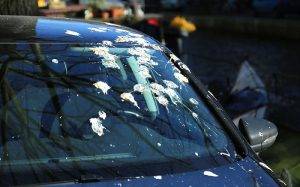
While bird droppings are an inevitable part of urban life, there are practical steps you can take to minimize their impact on your car and prevent damage to its exterior:
- Park in Covered or Sheltered Areas: Whenever possible, park your car in covered or sheltered areas, such as garages, carports, or parking structures, to reduce exposure to bird droppings and other environmental hazards.
- Use Car Covers or Tarps: Consider using car covers or tarps to protect your vehicle from bird droppings, tree sap, pollen, and other debris. Choose covers made of breathable materials that provide ventilation and prevent moisture buildup.
- Regularly Wash and Wax Your Car: Wash your car regularly with soap and water to remove bird droppings, dirt, and grime from its surface. Apply a coat of wax or sealant to protect the paint and make it easier to clean in the future.
- Install Bird Deterrents: Install bird deterrents, such as reflective tape, scare devices, or bird spikes, in areas where birds roost or perch near your car. These deterrents can help discourage birds from landing on your vehicle and reduce the risk of droppings.
- Avoid Feeding Birds Near Your Car: Avoid feeding birds or leaving food scraps near your car, as this can attract birds and increase the likelihood of droppings.
When Birds Poop on Your Car
Related Post:
Cracking the Mystery: How Long Does It Take for Duck Eggs to Hatch?
Unlocking the Egg-Laying Mystery: When Do Ducks Start Laying Eggs?
Choosing the Perfect Pet Duck: A Comprehensive Guide
In conclusion, while bird droppings on your car may not carry the mystical significance or profound symbolism attributed to them in folklore and mythology, they do provide valuable insights into the natural world and the interconnectedness of human and avian communities. By understanding the scientific principles behind bird behavior and digestive processes, we can appreciate the role that birds play in our environment and take practical steps to coexist harmoniously with them. So the next time you find bird droppings on your car, take a moment to reflect on the fascinating complexities of nature and the remarkable creatures that share our urban landscape.
