

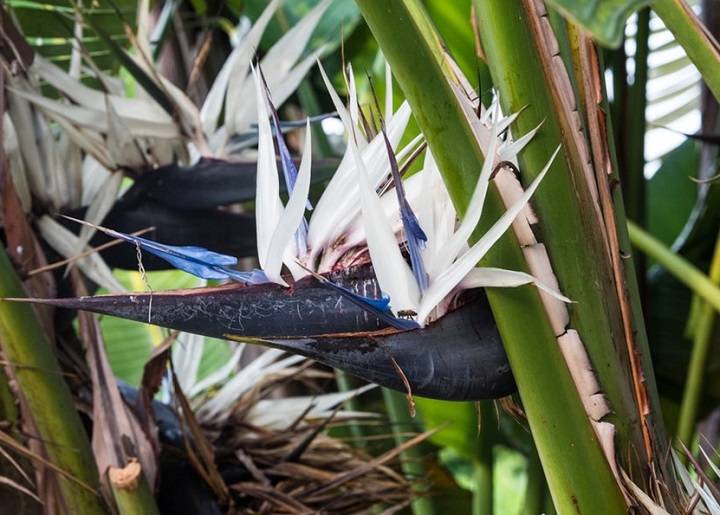
With its striking foliage and majestic presence, the white bird of paradise (Strelitzia nicolai) stands as a symbol of tropical elegance and natural beauty. Originating from South Africa, this stunning plant has become a favorite among garden enthusiasts and indoor plant lovers alike. In this comprehensive guide, we will delve into the world of white bird of paradise care, offering tips, insights, and expert advice to help you cultivate and nurture these exquisite botanical treasures.
Understanding the White Bird of Paradise: Botanical Features and Characteristics
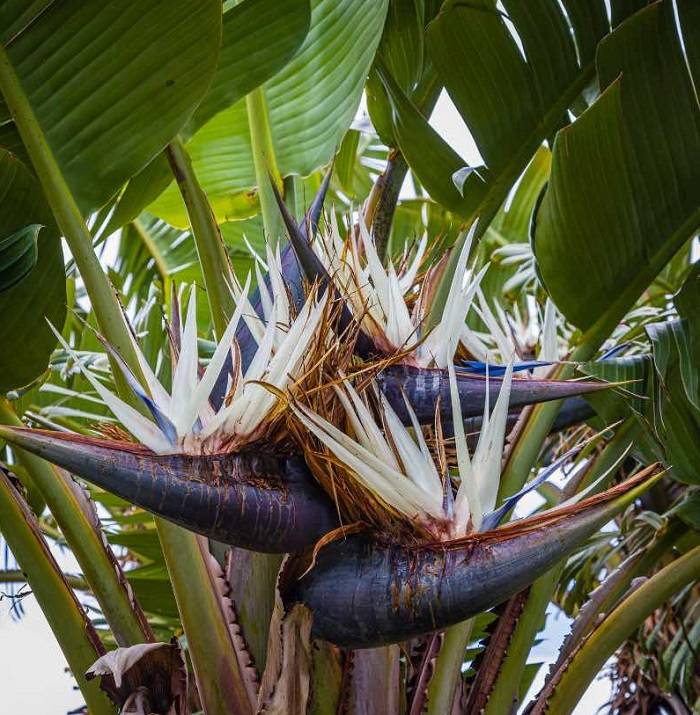
The white bird of paradise, also known as Strelitzia nicolai, is a member of the Strelitziaceae family and closely related to its more commonly known counterpart, the orange bird of paradise (Strelitzia reginae). Unlike its smaller relative, which produces vibrant orange and blue flowers, the white bird of paradise is prized for its stunning foliage, consisting of large, banana-like leaves arranged in a fan-like formation atop sturdy stems. This impressive plant can reach heights of up to 30 feet in its native habitat, making it a striking focal point in any garden or landscape.
Ideal Growing Conditions: Providing the Perfect Environment for White Bird of Paradise
To thrive, white bird of paradise requires certain growing conditions that mimic its natural habitat. This tropical plant flourishes in warm, humid climates with ample sunlight and well-draining soil. When grown indoors, it benefits from bright, indirect light and regular watering to keep the soil consistently moist but not waterlogged. During the growing season, fertilize the plant with a balanced fertilizer to promote healthy growth and development. Additionally, protect the plant from drafts, cold temperatures, and harsh sunlight, as these can cause stress and damage to the foliage.
Watering and Moisture: Finding the Right Balance for White Bird of Paradise
Proper watering is essential for the health and vitality of white bird of paradise plants. While they prefer consistently moist soil, they are susceptible to root rot if overwatered. Allow the top inch of soil to dry out between waterings, and water thoroughly when the soil feels dry to the touch. During the growing season, increase watering frequency to keep the soil evenly moist, but reduce watering in the winter months when growth slows down. Be sure to avoid letting water accumulate in the plant’s crown, as this can lead to fungal diseases and other problems.
Pruning and Maintenance: Keeping White Bird of Paradise Healthy and Vibrant
Regular pruning and maintenance are key to keeping white bird of paradise plants looking their best. Remove any dead or yellowing leaves as soon as they appear, as these can attract pests and disease. Trim back any damaged or overgrown stems to encourage new growth and maintain a tidy appearance. Additionally, periodically dust the leaves with a damp cloth to remove dust and debris, which can inhibit photosynthesis and hinder the plant’s growth. By staying proactive with pruning and maintenance, you can help your white bird of paradise thrive and flourish year-round.
Repotting and Transplanting: When and How to Repot White Bird of Paradise

As white bird of paradise plants grow, they may outgrow their containers and require repotting or transplanting to provide more space for their roots to spread out. Repotting is best done in the spring or early summer, when the plant is actively growing and can quickly recover from the transplant shock. Choose a pot that is slightly larger than the current one and fill it with well-draining potting mix. Carefully remove the plant from its old container, gently loosen the roots, and place it in the new pot, making sure to cover the roots with soil and water thoroughly. After repotting, place the plant in a bright, indirect light and continue to care for it as usual.
Pest and Disease Management: Protecting White Bird of Paradise from Common Problems
While white bird of paradise plants are relatively resistant to pests and diseases, they can still fall victim to certain problems if not properly cared for. Keep an eye out for common pests such as aphids, spider mites, and scale insects, which can infest the foliage and cause damage if left unchecked. Treat infestations promptly with insecticidal soap or neem oil, and regularly inspect the plant for signs of trouble. Additionally, be mindful of fungal diseases such as root rot and leaf spot, which can occur if the plant is overwatered or exposed to excessive moisture. To prevent these issues, ensure proper watering practices and provide good air circulation around the plant.
White Bird Of Paradise Care
In conclusion, white bird of paradise plants are a stunning addition to any garden or indoor space, bringing a touch of tropical elegance and natural beauty to their surroundings. By understanding their unique growing requirements and providing proper care and maintenance, you can cultivate healthy, vibrant specimens that thrive year-round. Whether adorning a sunny patio, brightening a living room, or gracing a tropical landscape, white bird of paradise plants are sure to captivate the hearts and imaginations of all who encounter them. So embrace the beauty of these exquisite botanical treasures and enjoy the rewards of nurturing them with care and attention.
