

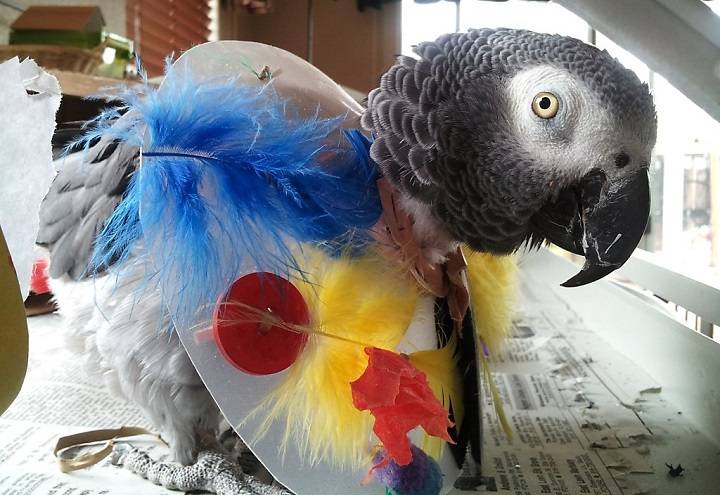
Bird collars, also known as anti-plucking collars or bird cones, have gained attention in the avian community as potential solutions for various behavioral issues and medical concerns in pet birds. These collars are designed to prevent birds from engaging in feather plucking or self-mutilation behaviors by restricting access to their feathers. However, the use of bird collars is a topic of debate among bird owners and avian professionals. In this comprehensive guide, we will explore the potential benefits and drawbacks of bird collars, their applications, and the importance of consulting with a veterinarian when considering their use.
Understanding Bird Collars
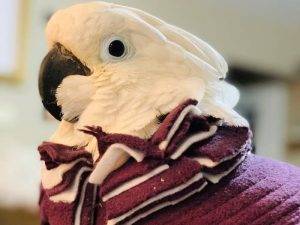
Bird collars are specialized devices designed to address specific avian behaviors and medical conditions, primarily feather plucking and self-mutilation. These collars are typically made of soft, flexible materials like foam or fabric and are worn around the neck of the bird. The design of bird collars varies, but they generally serve the same purpose: to prevent a bird from accessing its feathers and causing self-inflicted harm.
Common Types of Bird Collars
- Soft Bird Collars: These collars are made from soft, pliable materials like foam or fabric. They are designed to be comfortable for the bird and are often used as a preventative measure or as part of a treatment plan for feather plucking.
- Elizabethan Collars (E-Collars): Similar to the collars used for dogs and cats, E-collars are rigid, cone-shaped devices that restrict a bird’s access to its feathers. They are effective at preventing self-mutilation but may be less comfortable for the bird.
- Custom-Made Collars: Some bird owners and avian professionals may create custom-made collars tailored to the bird’s specific needs and anatomy. These collars can offer a more personalized fit and function.
When Are Bird Collars Used?
Bird collars are typically considered when a bird exhibits persistent feather plucking or self-mutilation behaviors that pose a risk to its health and well-being. The decision to use a bird collar should be made in consultation with a veterinarian experienced in avian medicine, as it involves a careful assessment of the bird’s condition, behavior, and overall health.
Common Scenarios Where Bird Collars Are Considered
- Feather Plucking: Feather plucking can result from various underlying causes, including medical issues, stress, and behavioral problems. Bird collars may be considered when other interventions have not been successful in preventing feather damage.
- Self-Mutilation: Birds that engage in self-mutilation behaviors, such as excessive picking or chewing of their skin, may benefit from the use of bird collars to prevent further harm.
- Post-Surgery or Injury: Bird collars may be recommended by veterinarians as part of the post-operative care for birds recovering from surgeries or injuries to prevent them from interfering with surgical sites or wounds.
- Feather Growth Support: In some cases, bird collars may be used to support the regrowth of damaged feathers by preventing the bird from accessing and damaging newly emerging feathers.
Potential Benefits of Bird Collars
When used appropriately and under the guidance of a veterinarian, bird collars can offer several potential benefits:
Preventing Self-Harm
The primary advantage of bird collars is their ability to prevent self-inflicted harm. By restricting access to feathers or surgical sites, collars can help birds heal and reduce the risk of further injury.
Break the Cycle of Feather Plucking
In some cases, bird collars can help break the cycle of feather plucking by interrupting the habit. This provides an opportunity for feathers to regrow while addressing the underlying causes of the behavior.
Protecting Surgical Sites
Birds recovering from surgeries or injuries may be prone to interfering with wounds or sutures. Bird collars can serve as a protective barrier to prevent complications and promote healing.
Potential Drawbacks and Considerations
While bird collars can be valuable tools, they also come with potential drawbacks and considerations:
Discomfort and Stress
Bird collars can be uncomfortable for some birds, leading to stress and anxiety. Birds may find it challenging to eat, preen, or engage in other natural behaviors while wearing a collar.
Limited Mobility
Bird collars can restrict a bird’s movement and limit its ability to climb, fly, or move comfortably within its environment. This restriction can impact the bird’s physical and mental well-being.
Temporary Solution
Bird collars are often considered as part of a broader treatment plan and should not be viewed as a standalone solution. Addressing the underlying causes of feather plucking or self-mutilation is essential for long-term success.
Requires Monitoring
Birds wearing collars need careful monitoring to ensure they are adjusting to the device and not experiencing any complications. Regular check-ups with a veterinarian are crucial.
Individual Variation
The effectiveness and tolerability of bird collars can vary widely among individual birds. What works for one bird may not work for another, and some birds may resist wearing collars altogether.
Consulting a Veterinarian
Before considering the use of a bird collar, it is crucial to consult with a veterinarian experienced in avian medicine. A veterinarian can assess the bird’s condition, behavior, and overall health to determine whether a collar is an appropriate option. Additionally, they can provide guidance on the type of collar that may be most suitable and ensure it is properly fitted to minimize discomfort and stress.
Alternatives to Bird Collars
While bird collars can be effective in certain situations, they are not the only option for addressing feather plucking or self-mutilation behaviors. Depending on the underlying causes, veterinarians may recommend alternative approaches, including:
Identifying and Addressing Underlying Causes
Identifying and addressing the root causes of feather plucking, such as medical issues, stress, or behavioral problems, is essential for long-term success. Treatment plans may involve medication, dietary changes, environmental modifications, and behavioral interventions.
Environmental Enrichment
Providing a stimulating and enriching environment for your bird can help reduce boredom and stress, which are common triggers for feather plucking. Toys, foraging opportunities, and social interaction can be beneficial.
Behavioral Modification
Working with a professional bird behaviorist can help implement positive reinforcement techniques to encourage desirable behaviors and discourage feather plucking.
Dietary Modifications
Consulting with an avian nutritionist can help ensure your bird’s diet is well-balanced and meets its specific nutritional needs, which can contribute to healthier feathers.
Bird Collars
In some cases, herbal remedies or supplements may be recommended to address stress or anxiety in birds. Always consult with a veterinarian before using any supplements.
FAQs (Frequently Asked Questions)
Can bird collars be used as a permanent solution for feather plucking?
Bird collars are typically not used as permanent solutions for feather plucking. They are often considered as part of a broader treatment plan and should be used under the guidance of a veterinarian to address the underlying causes of the behavior.
Are bird collars effective for all birds with feather plucking issues?
The effectiveness of bird collars can vary among individual birds. Some birds may tolerate collars well and experience benefits, while others may find them uncomfortable or stressful. It is essential to consult with a veterinarian to determine suitability.
Can I make a DIY bird collar at home?
While some bird owners may attempt to create DIY bird collars, it is recommended to use professionally designed collars under the guidance of a veterinarian. Improperly designed or fitted collars can cause harm or discomfort to the bird.
How long should a bird wear a collar?
The duration a bird should wear a collar depends on the individual bird’s response and progress. It is essential to follow the veterinarian’s recommendations and regularly assess the bird’s condition.
Related Post
Discovering the Enigmatic World of Rare Duck Breeds
The Essential Guide to Pet Ducks: Care, Behavior, and Joys of Keeping Ducks
Discovering the Distinctive Charm of Aylesbury Ducks: A Classic Duck Breed
Bird collars can be valuable tools in addressing feather plucking and self-mutilation behaviors in pet birds, but their use should be carefully considered in consultation with a veterinarian. While they can provide benefits in specific situations, they are not a one-size-fits-all solution, and their effectiveness can vary among individual birds. Addressing the underlying causes of feather plucking, providing environmental enrichment, and seeking professional guidance are essential components of a comprehensive approach to promoting the well-being of your feathered companion.
