

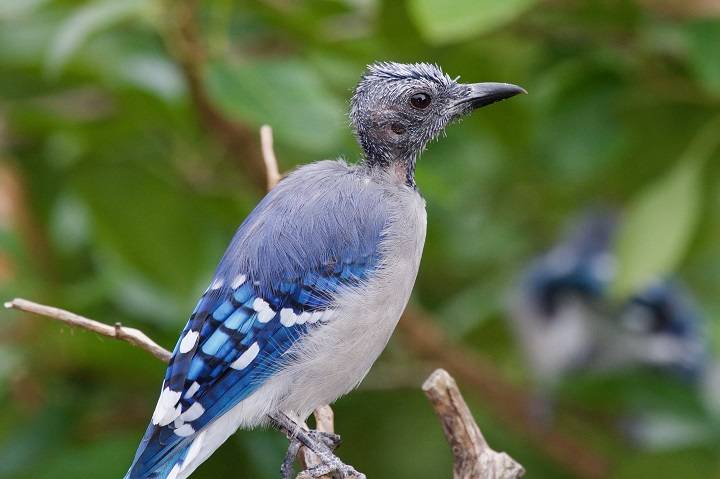
Molting is a natural and inevitable phase in a bird’s life. During this process, birds shed and replace old feathers with new ones, allowing them to maintain optimal flight and insulation. Molting can be both physically and emotionally taxing for your feathered companion. As a responsible bird owner, it’s crucial to understand how to help a molting bird navigate this challenging period while ensuring their well-being. In this comprehensive guide, we will explore the top five tips to support your molting bird and ensure a smooth and comfortable transition.
Understanding Molting in Birds
Before delving into how to help a molting bird, let’s gain a better understanding of the molting process:
Types of Molting:
- Juvenile Molting: Young birds undergo their first molt as they transition into adulthood. This process replaces their juvenile feathers with adult plumage.
- Annual Molting: Most birds experience an annual molt, usually after the breeding season. During this molt, they replace worn-out feathers.
- Seasonal Molting: Some birds undergo molts in response to seasonal changes, typically in preparation for extreme weather conditions.
Feather Loss:
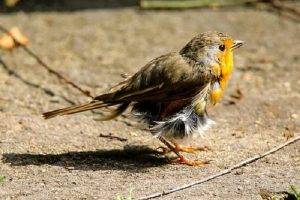
During molting, a bird will lose feathers gradually. Feathers are essential for flight, insulation, and protection, so it’s vital to support your bird during this phase.
Tips for Helping a Molting Bird
Maintain Proper Nutrition:
A balanced diet is crucial to support feather growth during molting. Ensure your bird receives high-quality bird food that includes essential vitamins and minerals. Consult with an avian veterinarian for dietary recommendations specific to your bird’s species.
- Protein: Feather growth requires adequate protein. Include sources of lean protein, such as pellets, seeds, nuts, and insects, in your bird’s diet.
- Vitamins and Minerals: Vitamins A and D, calcium, and omega-3 fatty acids are essential for feather health. Consider offering fresh fruits and vegetables or dietary supplements if recommended by your vet.
- Hydration: Provide fresh water daily to prevent dehydration, which can negatively affect feather quality.
Gentle Handling and Reduced Stress:
Molting can make birds more sensitive and irritable. Minimize handling during this time to avoid stressing your bird. Maintain a calm and quiet environment to reduce anxiety.
- Avoid Loud Noises: Loud noises, such as music or construction, can stress your molting bird. Keep their environment peaceful and free from disturbances.
- Limit Interaction: While it’s essential to maintain social interaction, reduce the frequency and duration of handling until the molt is complete.
Provide Adequate Bathing Opportunities:
Bathing helps remove dust and old feather particles from your bird’s plumage, promoting healthy feather growth. Offer a shallow dish of water or use a spray bottle to mist your bird lightly. Some birds enjoy bathing, while others prefer misting—observe your bird’s preference.
- Temperature: Ensure the water is lukewarm, and avoid sudden temperature changes.
- Supervision: Always supervise your bird during bathing to prevent accidents.
Inspect for Abnormalities:
Regularly check your bird’s feathers for signs of abnormal molting or feather problems. If you notice issues such as bald spots, broken blood feathers, or excessive feather loss, consult an avian veterinarian promptly.
- Blood Feathers: If a blood feather breaks or gets damaged, it can lead to bleeding. Learn how to identify and address blood feathers safely.
- Bald Patches: Molting can sometimes result in bald patches. While some feather loss is normal, excessive or persistent baldness may indicate an underlying health issue.
How to Help a Molting Bird
To prevent boredom during molting, provide mental stimulation through safe and entertaining activities:
- Toys: Offer toys that encourage problem-solving and exploration. Puzzle toys and foraging toys with hidden treats can keep your bird engaged.
- Rotate Toys: Introduce new toys and rotate them regularly to keep your bird’s environment exciting.
FAQs (Frequently Asked Questions)
How long does molting typically last?
The duration of molting varies among bird species and individuals. It can last anywhere from a few weeks to several months, depending on factors like the bird’s age and health.
Is it normal for my bird to be less active during molting?
Yes, it’s common for birds to be less active and more lethargic during molting. The energy required for feather growth can make them feel tired.
Can I assist in removing old feathers during molting?
It’s generally not advisable to assist in removing old feathers manually. Let the molting process occur naturally. Forcing the removal of feathers can cause injury or stress to your bird.
Are there any signs of illness to watch for during molting?
While some degree of feather loss is normal, watch for signs of illness, such as changes in appetite, breathing difficulties, or abnormal behavior. If you suspect illness, consult an avian veterinarian.
Related Post:
Discovering the Enigmatic World of Rare Duck Breeds
The Essential Guide to Pet Ducks: Care, Behavior, and Joys of Keeping Ducks
Discovering the Distinctive Charm of Aylesbury Ducks: A Classic Duck Breed
Molting is a natural and essential phase in a bird’s life, during which they replace old feathers with new ones. Understanding how to help a molting bird is crucial for their well-being. By maintaining proper nutrition, reducing stress, providing bathing opportunities, inspecting for abnormalities, and promoting mental stimulation, you can support your feathered friend through this challenging yet necessary process. Remember to consult with an avian veterinarian for personalized guidance and to address any concerns about your bird’s molting experience.
