

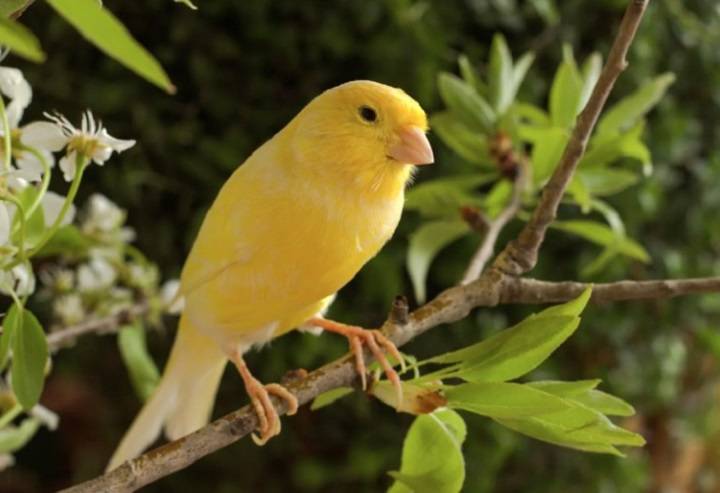
Canaries, with their vibrant plumage and melodious songs, have long captivated bird enthusiasts around the world. As popular pets and cherished companions, canaries bring joy and beauty into our lives with their cheerful presence. However, like all living creatures, canaries have a finite lifespan that varies depending on factors such as genetics, environment, and care. In this blog post, we delve into the fascinating world of canary lifespans, exploring how long these beloved birds can live and what factors influence their longevity.
Understanding Canary Lifespans
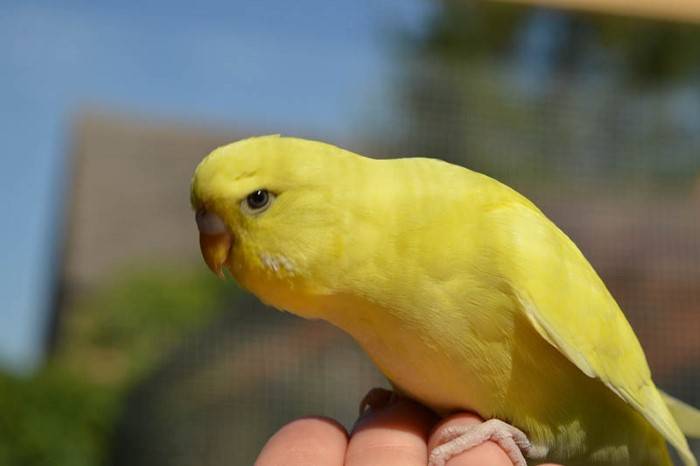
Canaries, scientifically known as Serinus canaria domestica, are small songbirds belonging to the finch family (Fringillidae). In the wild, canaries inhabit the Canary Islands off the coast of northwest Africa, where they thrive in diverse habitats ranging from forests and grasslands to coastal cliffs. In captivity, canaries are popular pets prized for their beautiful plumage and melodic singing abilities, with lifespans that can vary significantly depending on various factors.
Average Lifespan of Canaries
On average, canaries have a lifespan of around 7 to 10 years when kept as pets in captivity. However, with proper care and attention, some canaries have been known to live significantly longer, with lifespans of up to 15 years or more. Conversely, factors such as poor nutrition, inadequate housing, and lack of veterinary care can shorten a canary’s lifespan and contribute to health problems that may impact its quality of life.
Factors Influencing Canary Lifespan
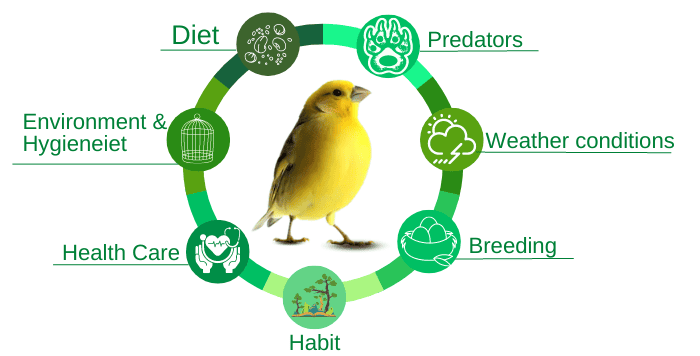
Several factors can influence the lifespan of canaries, including genetics, diet, environment, and veterinary care. Canaries bred from healthy, long-lived stock are more likely to have a longer lifespan than those from less robust genetic backgrounds. A nutritious diet that includes a variety of seeds, fruits, vegetables, and occasional treats such as egg food or mealworms can help support a canary’s overall health and longevity. Providing a spacious and enriched environment with opportunities for exercise, social interaction, and mental stimulation is also essential for promoting a canary’s well-being and longevity.
Health Considerations
Maintaining a canary’s health requires regular monitoring and preventive care to detect and address any potential health issues early on. Common health problems that can affect canaries include respiratory infections, parasites, feather picking, and obesity. Regular veterinary check-ups, periodic fecal exams, and proper hygiene practices can help prevent and manage these health concerns, ensuring a canary’s optimal health and well-being throughout its lifespan.
Quality of Life
In addition to physical health, a canary’s quality of life plays a significant role in its overall well-being and longevity. Providing a stimulating and enriched environment with opportunities for natural behaviors such as flying, foraging, and socializing is essential for promoting a canary’s mental and emotional health. Additionally, minimizing stressors such as loud noises, sudden changes in routine, and overcrowding can help reduce the risk of stress-related health problems and enhance a canary’s quality of life.
Lifespan of Canaries
For canary owners seeking to maximize their pet’s lifespan and well-being, several tips can help promote a healthy and fulfilling life for their feathered companions. These include:
- Providing a balanced diet consisting of high-quality seeds, fresh fruits, vegetables, and occasional treats.
- Offering a spacious and enriched living environment with plenty of perches, toys, and opportunities for exercise and mental stimulation.
- Maintaining good hygiene practices, including regular cage cleaning, fresh water supply, and proper waste management.
- Monitoring for signs of illness or distress and seeking prompt veterinary care when needed.
- Providing regular social interaction and companionship to prevent loneliness and boredom.
Related Post:
Unveiling the Mighty Titans of the Skies: Exploring the Strongest Birds in the World
Choosing the Perfect Pet Duck: A Comprehensive Guide
Discovering the Enigmatic World of Rare Duck Breeds
In conclusion, canaries are delightful pets known for their beauty, song, and companionship. While their lifespans may vary depending on genetics, care, and environmental factors, providing proper nutrition, housing, and veterinary care can help maximize a canary’s lifespan and quality of life. By understanding the factors that influence canary lifespans and implementing proactive measures to promote their health and well-being, canary owners can enjoy many years of joy and companionship with their beloved feathered friends.
