


Hummingbirds, with their iridescent plumage and aerial acrobatics, captivate the hearts of bird enthusiasts worldwide. While these tiny dynamos are often observed darting solo from flower to flower, there are moments when multiple hummingbirds converge, creating a spectacle of color and motion. But what is a group of hummingbirds called? In this blog post, we embark on a journey to unravel the mystery of hummingbird flocks, exploring their behavior, social dynamics, and the unique terminology used to describe these fleeting gatherings.
The Charm of Hummingbirds: Masters of Flight
Aerial Marvels:

- Hummingbirds are renowned for their remarkable flight capabilities, including hovering, darting, and rapid acceleration. With wings that beat at incredible speeds, they can move in any direction with precision and agility, making them one of the most maneuverable birds in the avian kingdom.
Botanical Connoisseurs:
- These nectar-loving birds play a vital role in pollination, visiting a myriad of flowers each day to feed on nectar and collect pollen. With their long, slender bills and specialized tongues, they are uniquely adapted to access the hidden treasures within floral blooms.
The Social Lives of Hummingbirds
Solitary Foragers:
- While hummingbirds are often observed feeding alone at individual flowers, they are not strictly solitary birds. They may defend feeding territories or favorite nectar sources from intruders, engaging in brief skirmishes or aerial displays to assert dominance.
Gathering in Aggregations:
- Despite their territorial behavior, hummingbirds may gather in loose aggregations or feeding swarms where food resources are abundant. These temporary gatherings provide opportunities for multiple individuals to feed and interact without territorial conflicts.
Exploring Terminology: What is a Group of Hummingbirds Called?
A Charm of Hummingbirds:
- The collective noun used to describe a group of hummingbirds is often referred to as a “charm.” This term, evocative of the enchanting allure of these tiny birds, reflects the magical quality of observing multiple hummingbirds together.
Other Descriptive Terms:
- While “charm” is the most commonly used term, other descriptors such as “bouquet,” “glitter,” or “glow” may also be used to convey the beauty and vibrancy of a gathering of hummingbirds.
Behaviors and Interactions within Hummingbird Flocks
Feeding Dynamics:
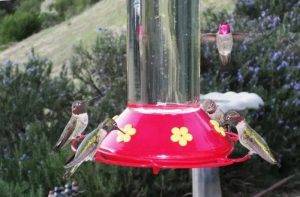
- In a hummingbird flock, individuals may engage in competitive feeding behaviors, vying for access to the most abundant nectar sources. Despite their small size, hummingbirds are fiercely territorial and will defend their feeding territories from intruders.
Aerial Displays:
- Hummingbird flocks may also engage in impressive aerial displays, with males performing elaborate courtship rituals to attract mates or assert dominance. These displays often involve high-speed chases, dramatic dives, and intricate flight patterns.
Ecological Significance of Hummingbird Aggregations
Enhanced Pollination:
- When hummingbirds gather in groups to feed, they inadvertently facilitate cross-pollination between flowers, increasing the genetic diversity of plant populations. This symbiotic relationship benefits both hummingbirds and the plants they pollinate.
Social Learning and Communication:
- Gathering in flocks provides opportunities for social learning and communication among hummingbirds. Younger individuals may observe and learn from the behavior of more experienced birds, acquiring valuable skills and knowledge.
Conservation Considerations and Challenges
Habitat Loss and Fragmentation:
- Habitat loss and fragmentation pose significant threats to hummingbird populations, limiting access to food resources and nesting sites. Conservation efforts focused on preserving and restoring critical habitat are essential for the long-term survival of these charismatic birds.
What is a Group of Hummingbirds Called
Climate change may also impact hummingbird populations by altering the timing of flower blooming and disrupting migration patterns. Monitoring and mitigating the effects of climate change on hummingbird habitats are crucial for their conservation.
Related Post:
Unveiling the Spectrum of Colored Duck Eggs: Nature’s Palette of Surprises
Unlocking the Secrets of Duck Hatching: From Egg to Duckling
Tips & Tricks for Confidently Opening a Business
7 Tips for Remodeling Your Backyard
In conclusion, while the collective noun “charm” beautifully captures the essence of a group of hummingbirds, the social dynamics and behaviors within these flocks are equally enchanting. Whether engaged in competitive feeding bouts, dazzling aerial displays, or cooperative pollination efforts, hummingbirds exemplify the delicate balance of nature’s intricacies. By appreciating and protecting these charismatic birds and their habitats, we can ensure that future generations will continue to marvel at the charm of hummingbirds for years to come.
