

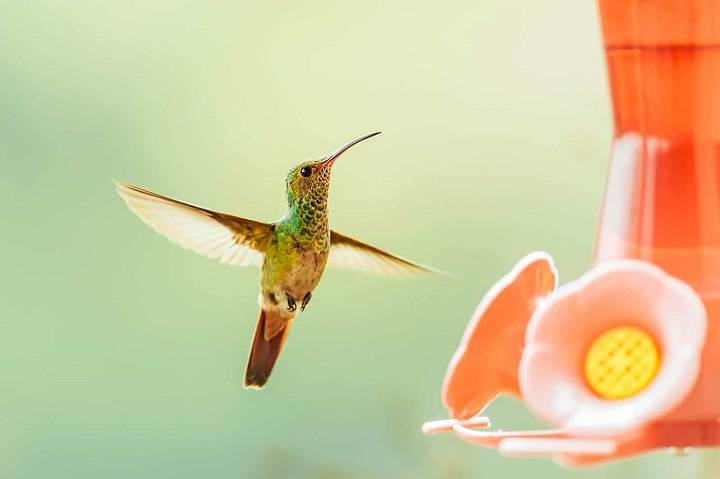
Hummingbirds, with their iridescent plumage and frenetic wingbeats, are among the most captivating and beloved birds in the avian world. To sustain their remarkable energy levels, these tiny dynamos rely heavily on a steady supply of nectar, a sugary solution often provided by backyard bird enthusiasts. However, a common question among hummingbird enthusiasts is: How long does hummingbird food last? In this blog post, we delve into the factors that influence the longevity of hummingbird food, offer tips for proper storage and maintenance, and explore the importance of providing fresh nectar for these aerial marvels.
Understanding Hummingbird Food
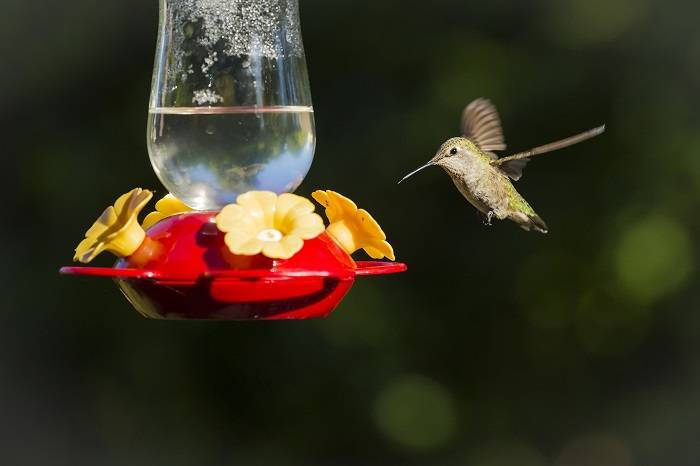
- Composition of Hummingbird Nectar:
- Hummingbird food, also known as nectar, is a simple solution made from a mixture of sugar and water. The ideal ratio for homemade nectar is typically one part granulated sugar to four parts water, mimicking the natural sucrose concentration found in floral nectar.
- Importance of Freshness:
- Freshness is crucial when it comes to hummingbird food, as these birds rely on a constant source of energy to fuel their high metabolism and rapid flight. Stale or spoiled nectar can lead to dehydration, malnutrition, and even illness in hummingbirds.
Factors Affecting Longevity
- Temperature and Weather Conditions:
- Ambient temperature and weather conditions play a significant role in the longevity of hummingbird food. In hot and humid climates, nectar may spoil more quickly due to bacterial growth and fermentation, requiring more frequent replacement.
- Exposure to Sunlight and UV Radiation:
- Direct exposure to sunlight and ultraviolet (UV) radiation can accelerate the degradation of hummingbird food, causing it to spoil more rapidly. It’s essential to place hummingbird feeders in shaded areas to minimize UV exposure and maintain the freshness of the nectar.
Shelf Life of Hummingbird Food
- Refrigeration and Storage:
- Proper storage is key to prolonging the shelf life of hummingbird food. Prepared nectar can be stored in the refrigerator for up to one to two weeks, provided it is kept in a clean, airtight container to prevent contamination and mold growth.
- Inspecting for Spoilage:
- Before refilling hummingbird feeders, it’s essential to inspect the nectar for signs of spoilage, such as cloudiness, discoloration, or the presence of mold or debris. If the nectar appears cloudy or smells fermented, it should be discarded and replaced with fresh solution.
Tips for Maintaining Freshness
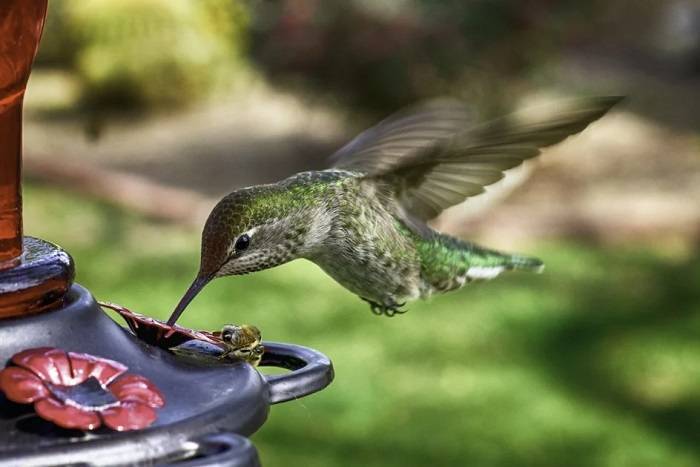
- Regular Cleaning and Maintenance:
- Hummingbird feeders should be cleaned and refilled every two to three days, especially during warm weather, to prevent the growth of harmful bacteria and fungi. Use a mild soap solution and a bottle brush to scrub the feeder thoroughly, rinsing it with hot water before refilling with fresh nectar.
- Avoiding Additives and Preservatives:
- It’s essential to avoid adding additives or preservatives to hummingbird nectar, as these can be harmful or toxic to hummingbirds. Stick to a simple mixture of granulated sugar and water, avoiding honey, artificial sweeteners, or food coloring, which can be detrimental to their health.
Signs of Spoiled Hummingbird Food
- Visual and Olfactory Cues:
- Spoiled hummingbird food may exhibit visual cues such as cloudiness, discoloration, or the presence of floating particles or mold. Additionally, the nectar may emit a foul odor resembling fermentation or decay, indicating that it is no longer suitable for consumption.
How Long Does Hummingbird Food Last
Pay attention to the behavior of visiting hummingbirds, as they may exhibit reluctance or aversion to spoiled nectar. If hummingbirds appear hesitant to feed or display signs of discomfort, such as shaking their heads or flicking their tongues, it may be a sign that the nectar has gone bad.
Related Post:
Unlocking the Mysteries of Duck Egg Laying: How Often Do Ducks Lay Eggs?
When Do Ducks Start Quacking? Unraveling the Quack-tastic Mystery
Exploring the Enigmatic Ancona Duck: A Quirky, Beautiful, and Versatile Breed
Exploring the Fascinating World of Male, Female, and Male Muscovy Ducks
In conclusion, the longevity of hummingbird food depends on various factors, including temperature, exposure to sunlight, and proper storage and maintenance practices. By understanding the importance of freshness and adhering to guidelines for preparing and storing nectar, we can ensure that our feathered friends receive the nourishment they need to thrive. As stewards of the natural world, it’s our responsibility to provide a safe and reliable food source for these delicate yet resilient creatures, enriching our lives and fostering a deeper connection with the enchanting world of hummingbirds.
