

In the vast tapestry of avian diversity, there exists a category of birds that enchant with their delicate hues of pink, captivating the hearts of birdwatchers and nature enthusiasts alike. These small pink birds, often overlooked amidst the vibrant plumage of their more flamboyant counterparts, possess a unique charm and elegance that merits exploration. In this blog post, we embark on a journey to uncover the identity, characteristics, and enchanting allure of these pastel beauties that grace the skies and landscapes with their presence.
Unveiling Nature’s Pastel Wonders
The Mystery of Pink Plumage:
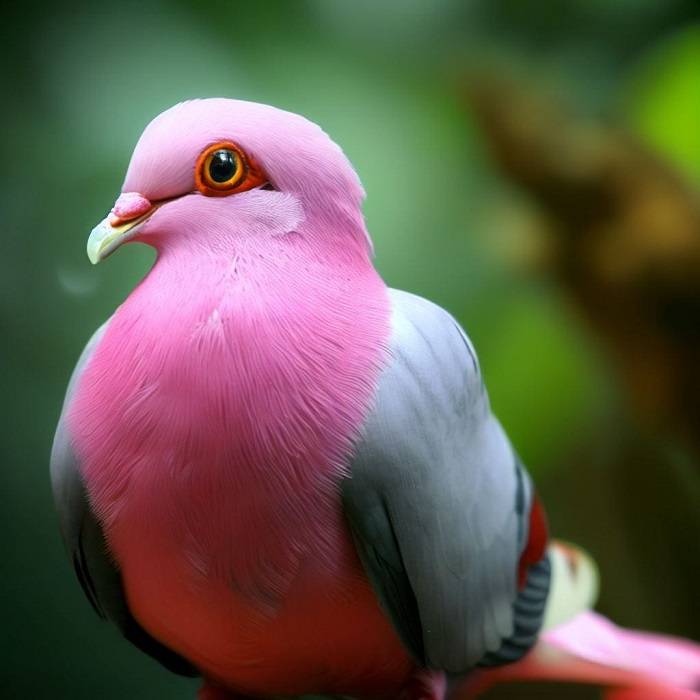
Pink plumage in birds is relatively rare compared to other colors, such as blue, green, or red. The soft pink hues observed in birds are typically a result of specialized pigments in their feathers, such as carotenoids, which are derived from their diet.
Small Stature, Big Presence:
While the term “small” is subjective, small pink birds are generally characterized by their diminutive size compared to larger bird species. Despite their small stature, these birds often possess vibrant personalities and distinct behaviors that endear them to observers.
Identifying Small Pink Birds
Roseate Spoonbill:
One of the most iconic small pink birds is the Roseate Spoonbill (Plataleaajaja), known for its striking pink plumage and distinctive spoon-shaped bill. These wading birds inhabit marshes, estuaries, and mangrove swamps, where they use their specialized bills to sift through mud and shallow water in search of prey.
Pink-Backed Pelican:
The Pink-backed Pelican (Pelecanusrufescens) is another species that exhibits pink hues, particularly on its back and wings during breeding season. These large waterbirds are found in sub-Saharan Africa, where they frequent shallow lakes, rivers, and coastal waters in search of fish.
Behavior and Ecology
Social Creatures:
Small pink birds often exhibit social behavior, forming flocks or colonies for feeding, breeding, and roosting. These communal gatherings provide opportunities for social interaction, protection from predators, and shared resources.
Feeding Habits:
The feeding habits of small pink birds vary depending on their species and ecological niche. While some species, like flamingos, are filter feeders that sift through water for small invertebrates and algae, others, like the Roseate Spoonbill, are tactile feeders that use their bills to probe mud and shallow water for prey.
Cultural Significance and Symbolism
Artistic Inspiration:

Throughout history, small pink birds have inspired artists, poets, and writers with their ethereal beauty and grace. From ancient Egyptian hieroglyphs to modern-day art and literature, these avian gems have left an indelible mark on human culture and imagination.
Symbolism of Love and Affection:
In various cultures and traditions, the color pink is often associated with love, affection, and compassion. Small pink birds, with their gentle hues and tender demeanor, symbolize sentiments of warmth, tenderness, and emotional connection.
Conservation Challenges and Efforts
Habitat Loss and Degradation:
Small pink birds face threats from habitat loss, pollution, and human disturbance, particularly in wetland and coastal habitats where they often reside. Conservation efforts focused on protecting and restoring critical habitats are essential for their survival.
Climate Change Impacts:
Climate change poses additional challenges for small pink birds, affecting their breeding patterns, food availability, and migratory routes. Monitoring and mitigating the effects of climate change on these vulnerable species are crucial for their long-term survival.
Encouraging Appreciation and Conservation
Educational Outreach:
Increasing public awareness and appreciation for small pink birds can foster a sense of stewardship and responsibility for their conservation. Educational programs, birdwatching tours, and community engagement initiatives can inspire individuals to take action to protect these charismatic species.
Small Pink Birds
Supporting organizations and initiatives dedicated to the conservation of small pink birds and their habitats is vital for their survival. By contributing to research, habitat restoration projects, and advocacy efforts, individuals can make a meaningful impact on the future of these beloved avian treasures.
Related Post:
Unlocking the Mystery of When Ducks Lay Eggs
Unveiling the Fascinating Differences Between Male and Female Muscovy Ducks
At What Age Do Ducks Start Laying Eggs? (The Truth)
Explore the Grace and Elegance of American Pekin Ducks
In conclusion, small pink birds embody a unique blend of beauty, elegance, and ecological significance that enriches our natural world. Whether observed wading gracefully through marshes or soaring gracefully across the sky, these avian gems inspire awe and wonder in all who encounter them. By celebrating their presence, advocating for their conservation, and nurturing a deeper connection with nature, we can ensure that small pink birds continue to grace our landscapes with their ethereal presence for generations to come.
