

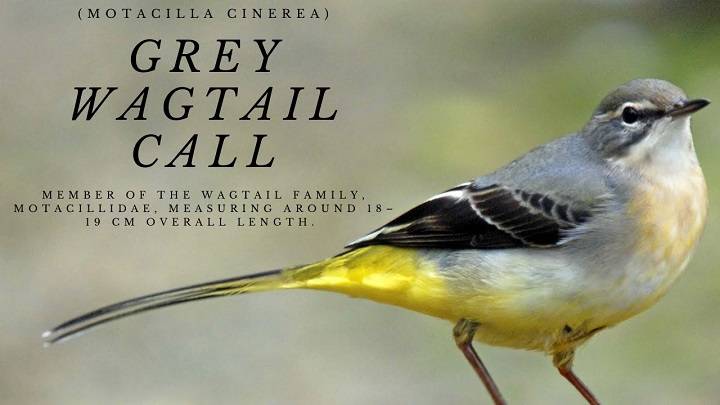
The Grey Wagtail (Motacilla cinerea) is a charming and vibrant bird species that graces the waterways and countryside of the United Kingdom. With its distinctive plumage and energetic foraging behavior, this delightful bird has captured the hearts of birdwatchers and nature enthusiasts alike. In this comprehensive guide, we will delve into the world of the Grey Wagtail, exploring its habitat preferences, fascinating behaviors, and conservation efforts aimed at protecting this beloved species in the UK.
Habitat and Distribution

Waterways and Streams:
Grey Wagtails are typically associated with fast-flowing rivers, streams, and watercourses, where they can be found foraging along the water’s edge for aquatic invertebrates.
Countryside and Farmland:
In addition to aquatic habitats, Grey Wagtails also inhabit open countryside, farmland, and upland areas with suitable nesting sites and abundant insect prey.
Urban Environments:
Grey Wagtails are adaptable birds and can often be spotted in urban and suburban areas, particularly near parks, gardens, and green spaces with access to water sources.
Physical Characteristics
Distinctive Plumage:
The Grey Wagtail is named for its predominantly grey plumage, which is complemented by striking yellow accents on its underparts, throat, and rump. Its long, slender tail and bright yellow vent are characteristic features that distinguish it from other wagtail species.
Size and Shape:
Grey Wagtails are small, slender birds with a length of approximately 17 to 19 centimeters and a wingspan of around 25 to 30 centimeters. They have a distinctive bobbing tail action and agile flight, which they use to capture flying insects on the wing.
Foraging Behavior

Aquatic Foraging:
Grey Wagtails are highly adept at foraging in and around water bodies, where they search for aquatic invertebrates, such as mayflies, caddisflies, and aquatic larvae, to feed themselves and their young.
Insectivorous Diet:
The diet of Grey Wagtails is primarily insectivorous, consisting of a variety of flying insects, spiders, and small aquatic organisms that they capture using their sharp beaks and agile hunting techniques.
Breeding and Nesting
Nesting Sites:
Grey Wagtails typically build their nests in crevices, nooks, and crannies near water, such as on riverbanks, cliff faces, or in man-made structures like bridges and culverts.
Breeding Season:
The breeding season for Grey Wagtails usually begins in late spring and extends into summer, with pairs engaging in courtship displays and nest-building activities to prepare for the arrival of their offspring.
Clutch Size and Incubation:
Female Grey Wagtails typically lay clutches of four to six eggs, which are incubated by both parents for a period of approximately 12 to 14 days before hatching.
Migration and Conservation
Resident and Migratory Populations:
While some Grey Wagtails are year-round residents in the UK, others are migratory and may travel south to warmer regions during the winter months, particularly in northern and upland areas.
Charismatic Grey Wagtail
Conservation Concerns:
Despite being a relatively common sight in the UK, Grey Wagtails face threats from habitat loss, pollution, and changes in land use that affect their breeding and foraging habitats.
Conservation Efforts:
Conservation organizations and wildlife enthusiasts are actively involved in monitoring and protecting Grey Wagtail populations through habitat restoration, pollution control measures, and public awareness campaigns.
Citizen Science and Monitoring
Birdwatching and Recording:
Birdwatchers and citizen scientists play a crucial role in monitoring Grey Wagtail populations by recording sightings, nesting behavior, and habitat preferences through organized surveys and monitoring programs.
Public Engagement:
Engaging the public in birdwatching activities and wildlife conservation efforts can help raise awareness about the importance of protecting Grey Wagtails and their habitats for future generations.
Related Post:
Unveiling the Fascinating Differences Between Male and Female Muscovy Ducks
At What Age Do Ducks Start Laying Eggs? (The Truth)
Explore the Grace and Elegance of American Pekin Ducks
In conclusion, the Grey Wagtail is a captivating and charismatic bird species that adds vibrancy to the waterways and countryside of the United Kingdom. With its striking plumage, energetic foraging behavior, and adaptability to various habitats, the Grey Wagtail serves as a symbol of the rich biodiversity and natural beauty of the UK’s landscapes. By supporting conservation efforts and practicing responsible stewardship of our natural resources, we can ensure that future generations have the opportunity to cherish and appreciate the beauty of the Grey Wagtail in the wild.
