


In the lush tropical landscapes of the world, few plants captivate the imagination quite like the bird of paradise tree. With its striking foliage, vibrant blooms, and exotic allure, this botanical marvel has earned a revered place in gardens, landscapes, and hearts around the globe. Join us on a journey of discovery as we delve into the fascinating world of the bird of paradise tree, exploring its origins, characteristics, and the cultural significance that has made it a beloved symbol of beauty and grace.
Origins and Distribution: A Tropical Treasure
The bird of paradise tree, known scientifically as Strelitzia nicolai, hails from the warm, humid regions of South Africa. Belonging to the Strelitziaceae family, this stunning tree is closely related to the more widely known Strelitzia reginae, or bird of paradise flower. While the bird of paradise flower is renowned for its vibrant orange and blue blooms, the bird of paradise tree boasts equally impressive foliage and stature, making it a standout feature in any tropical landscape.
Botanical Features: Majestic Foliage and Elegant Form
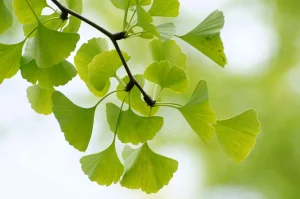
One of the most striking features of the bird of paradise tree is its foliage, which consists of large, paddle-shaped leaves arranged in a fan-like pattern. These glossy, deep green leaves can reach impressive lengths of up to 10 feet, creating a dramatic canopy that provides shade and shelter for smaller plants and wildlife below. In addition to its foliage, the bird of paradise tree is also prized for its elegant form, with a tall, slender trunk that adds vertical interest to the landscape.
Blooms of Beauty: The Enigmatic Inflorescence
While the bird of paradise tree is primarily grown for its foliage, it also produces spectacular blooms that are sure to turn heads. The inflorescence of the bird of paradise tree consists of a series of large, boat-shaped bracts that encase smaller flowers within. These bracts range in color from vibrant orange and yellow to deep purple and are arranged on sturdy stems that emerge from the center of the plant. While not as flamboyant as the blooms of its namesake flower, the inflorescence of the bird of paradise tree adds an extra layer of beauty and interest to this already stunning plant.
Cultural Significance: Symbolism and Tradition
Throughout history, the bird of paradise tree has been imbued with rich symbolism and cultural significance. In its native South Africa, the plant is revered for its beauty and resilience, often featuring prominently in traditional ceremonies and rituals. In Western cultures, the bird of paradise tree is often associated with exoticism, luxury, and tropical paradise, making it a popular choice for gardens, parks, and botanical displays. Whether admired for its striking foliage, vibrant blooms, or graceful form, the bird of paradise tree continues to captivate and inspire all who encounter it.
Cultivation and Care: Tips for Success
For those seeking to bring a touch of tropical splendor to their own garden or landscape, cultivating a bird of paradise tree can be a rewarding endeavor. While the plant thrives in warm, humid climates, it can also be grown in cooler regions with proper care and attention. Bird of paradise trees prefer well-drained soil, ample sunlight, and regular watering during the growing season. Additionally, occasional fertilization and pruning can help promote healthy growth and vibrant blooms.
Bird Of Paradise Tree
Related post
Cracking the Cayuga Duck Egg Mystery: Unveiling the Secrets of Cayuga Duck Eggs
Exploring Duck-Chicken Compatibility: Can They Coexist?
Unraveling the Complex World of Aggressive Male Duck Behavior
Embracing the Beauty of the Bird of Paradise Tree
In conclusion, the bird of paradise tree stands as a testament to the beauty and wonder of the natural world. From its majestic foliage to its vibrant blooms, this botanical marvel never fails to captivate and inspire all who encounter it. Whether gracing the gardens of South Africa or adorning the landscapes of distant shores, the bird of paradise tree serves as a timeless symbol of grace, elegance, and tropical allure. By embracing the beauty of this remarkable plant, we can forge a deeper connection to the natural world and cultivate a sense of wonder and appreciation for the diverse wonders that surround us.
