

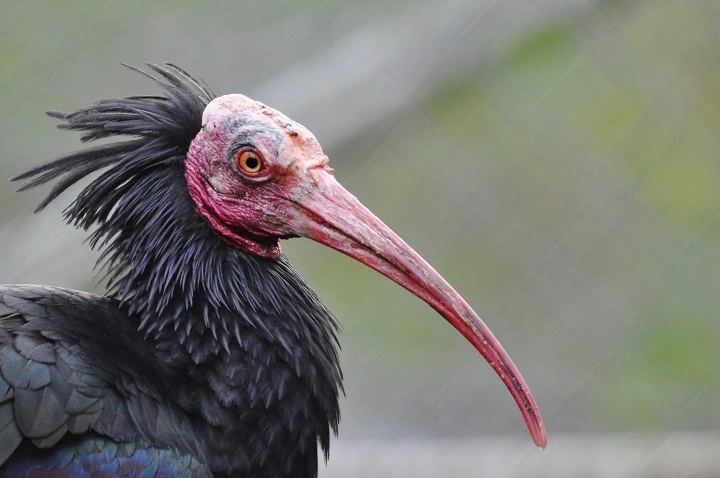
Birds are often celebrated for their dazzling colors, elegant feathers, and melodic songs. But not every bird fits the image of beauty. In fact, some species are so odd-looking, rough-feathered, or downright bizarre that they earn a spot on the list of the ugliest birds in the world.
But don’t let appearances fool you — these birds are survivors, specialists, and sometimes even adorable in their own weird way. Let’s explore the most famously “ugly” birds across the globe and find out what makes them fascinating despite their looks.
Marabou Stork
Habitat: Sub-Saharan Africa
Why It’s Considered Ugly:
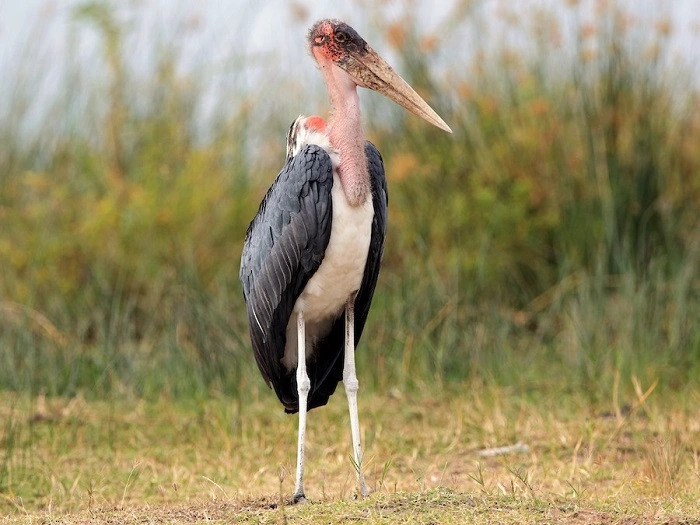
The marabou stork is often called the “undertaker bird” because of its balding head, scraggly feathers, hunched posture, and ominous vibe. It also has a large, hanging throat sac and a nearly featherless neck used for cooling.
Cool Fact:
Despite its grim appearance, it’s incredibly efficient at cleaning up carcasses and waste, playing a vital role in the ecosystem.
Shoebill Stork
Habitat: Central Africa (swamps and wetlands)
Why It’s Considered Ugly:
With its enormous, shoe-shaped beak, intense stare, and dinosaur-like movement, the shoebill can be downright intimidating. Its awkward look masks its ability to stealthily hunt large prey like fish, frogs, and even baby crocodiles.
Cool Fact:
It can stand completely still for hours — making it one of the most patient and precise hunters in the bird world.
Turkey Vulture
Habitat: North and South America
Why It’s Considered Ugly:
The turkey vulture has a bald, wrinkled red head that resembles — you guessed it — a turkey. Combined with its habit of eating roadkill and spreading its wings like a vampire, it’s often seen as creepy or gross.
Cool Fact:
Its excellent sense of smell helps it locate dead animals from great distances — rare among birds.
Muscovy Duck
Habitat: Central and South America (also domesticated worldwide)
Why It’s Considered Ugly:
The muscovy duck has warty red growths on its face and around its eyes, giving it a bumpy, uneven look. These caruncles are especially prominent in males and can be off-putting to first-time observers.
Cool Fact:
Despite their appearance, muscovies are quiet, calm, and often kept on farms for pest control.
California Condor
Habitat: Southwestern United States
Why It’s Considered Ugly:
The California condor has a large bald head, scaly neck, and pale face that changes color depending on mood. Its sheer size and bare skin make it look more prehistoric than picturesque.
Cool Fact:
It’s one of the rarest birds in the world — and also one of the largest flying birds in North America, with a wingspan over 9 feet.
Greater Adjutant
Habitat: India and Southeast Asia
Why It’s Considered Ugly:
This stork is bald-headed, heavy-billed, and has a large, hanging neck pouch that looks like a deflated balloon. The greater adjutant has an unsettling gait and a scavenger’s appetite.
Cool Fact:
Once endangered, this bird is making a comeback thanks to conservation efforts in parts of India.
Andean Condor
Habitat: South America (Andes Mountains)
Why It’s Considered Ugly:
With a wrinkled face, thick neck ruff, and powerful beak, the Andean condor looks more like a mythical beast than a majestic bird. Its bald head, adapted for hygiene while feeding, adds to the intimidating look.
Cool Fact:
It’s considered sacred in many Andean cultures and can soar for hours without flapping its wings.
Helmeted Guineafowl
Habitat: Africa (also domesticated worldwide)
Why It’s Considered Ugly:
The helmeted guineafowl has a bald blue head, red wattles, and a horn-like helmet structure. Combined with its spotted black-and-white body, it looks like it walked out of a fantasy movie.
Cool Fact:
They’re excellent at pest control and make great watchdogs due to their loud alarms.
Kakapo
Habitat: New Zealand
Why It’s Considered Ugly:
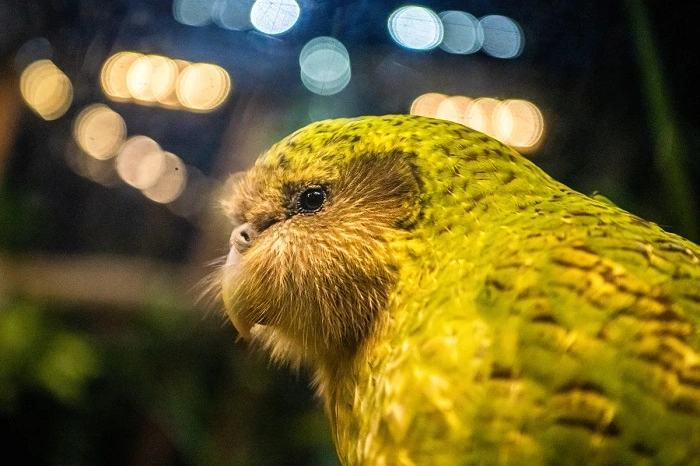
The kakapo, a flightless parrot, has a chubby body, soft green feathers, a large beak, and a facial disc that gives it an owl-like expression. Though some find it adorable, others see it as awkward or frumpy.
Cool Fact:
It’s one of the world’s most endangered and unique birds — nocturnal, flightless, and full of personality.
Sri Lanka Frogmouth
Habitat: South Asia (Sri Lanka and India)
Why It’s Considered Ugly:
This nocturnal bird has a wide, gaping mouth, ruffled plumage, and bulging eyes. When resting, it looks like a badly carved wooden figure or a pile of dry leaves.
Cool Fact:
Its camouflage is so effective that it can disappear into its surroundings by simply freezing.
FAQs
Why are some birds considered ugly?
Mostly due to bald heads, awkward features, strange behaviors, or odd vocalizations. However, what’s considered “ugly” is subjective — and often, these birds have fascinating adaptations.
Are ugly birds less important to the ecosystem?
Not at all! Many so-called ugly birds like vultures and storks are essential for cleaning the environment and controlling disease.
Is the shoebill bird really dangerous?
While intimidating, shoebills are not dangerous to humans. They are shy and solitary by nature.
Do ugly birds make good pets?
Most wild birds on this list are not suitable as pets, but some, like muscovy ducks or guineafowl, are kept domestically for utility or pest control.
What’s the ugliest bird in the world?
That’s subjective, but the marabou stork often tops the list due to its bald head, sagging throat sac, and eerie appearance.
