


Blue jays are impossible to avoid. Their feathers blaze like pieces of sky. Their screams cut through serene mornings. Their intelligence is obvious in every deliberate movement. But they come with a reputation that divides bird lovers. Many are eager to learn in frustration or wonder: do blue jays steal other birds’ eggs?
The answer is complicated. Yes, occasionally they do. But all of blue jay lore, their ways, and their role in the universe is greater than may be gleaned from an aspersion. Let us move cautiously through it, peeling myth from truth, and appreciating the jay for what it really is.
Why People Think Blue Jays Eat Eggs
Blue jays are aggressive. They do not sneak like nervous songbirds. They steal feeders, chase away smaller birds, and have no qualms about probing nests. Their size is sufficient to frighten away intruders. Witnesses report seeing them eat eggs or nestlings, and the stories spread fast.
But occasional behavior may turn into a lifetime stereotype. With time, the blue jay’s reputation as an “egg thief” overshadowed the truth.
Do Blue Jays Really Eat Eggs?
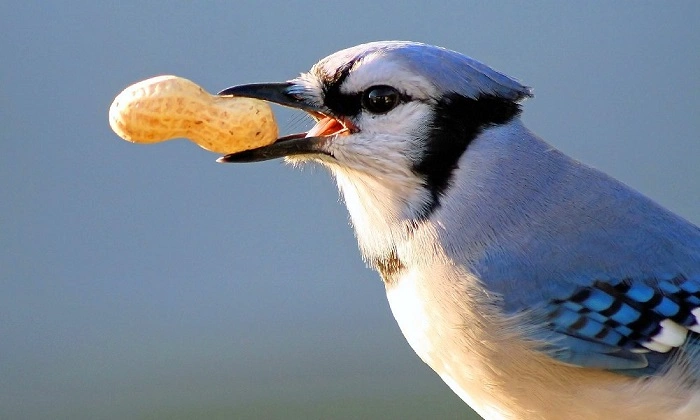
The short answer: yes, but not that often. Studies show that eggs and nestlings make up only a small fraction of a blue jay’s diet. The majority of their diet is comprised of:
- Acorns and nuts
- Seeds and grains
- Berries and fruits
- Insects like beetles and grasshoppers
- Occasionally small vertebrates or carrion
Thus even though blue jays are opportunistic, they don’t frequent nests on a daily basis like predators. They eat eggs when the opportunity arises, but it is not their main source of survival.
The Opportunistic Nature of Jays
Consider blue jays to be survivalists. They take what they can get. In the spring, when nests are full to bursting, a jay might steal an egg. Come autumn, when acorns are on the ground, it goes veggie. Such flexibility is one of the reasons the species survives.
Opportunism does not equate to villainy. It equates to adaptability. And adaptability is one of the most impressive of nature’s skills.
How Often Does It Really Happen?
Scientific observation is that blue jay egg and nest predation is uncommon in comparison to their seed and nut consumption. Few backyard birders ever catch them at it. Some see it once in decades of birding.
Predation is part of the conduct of most birds. Crows, grackles, magpies, and even squirrels loot nests. Blue jays are no exception. They are simply more visible, and thus their behavior is noticed more.
The Role of Acorn and Seed
One of the reasons for preserving the blue jay is its role in the forest. Jays are master acorn gardeners. Jays collect acorns, bury them for a rainy day, and forget about most of them. Forgotten acorns develop into oak trees. Forests have grown whole by jays acting as unintentional gardeners.
Without blue jays, oak and beech woodlands would shrink. This one activity offsets any incidental egg predation. They bring back multiple times what they eat.
Why They Periodically Attack Eggs
Blue jays eating eggs have simple reasons:
- Protein needs: Eggs or nestlings provide concentrated nutrition.
- Hunger deficit: In the absence of insects or seeds.
- Curiosity: Blue jays are intelligent and probe food sources.
It’s survival, not cruelty. Nature is not critical.
Blue Jay Habits Around Nests
Blue jays are sometimes falsely accused. They are occasionally observed near a nest after it has been plundered by a snake or a raccoon. They naturally want to check out. Observers, such as humans, are likely to think they are culprits.
Most nest losses attributed to jays are actually the result of other predators.
Comparisons With Other Birds
To put it into perspective:
- Crows and ravens habitually consume eggs and nestlings.
- Grackles will steal from nests on a regular basis.
- Hawks steal fledglings.
- Even robins will eat other birds’ eggs on occasion.
Blue jays are not alone. Egg predation is part of birdlife.
Why the Reputation Sticks
So why do people consistently ask, “do blue jays eat other birds‘ eggs?”
- Their boldness makes them noticeable.
- Their size intimidates smaller birds.
- Their noisy behavior makes a ruckus.
- Their intelligence allows them to exploit.
It is a matter of perception vs. reality.
The Intelligence of Blue Jays
Knowing their smarts helps to temper judgment. Blue jays are tool users, hawk-call mimics, human identifiers, and social group formers. They prepare for winter by catching food. They problem-solve at feeders.
This is a high degree of intelligence that causes them to be flexible in diet. They are not “egg eaters.” They are thinkers, survivors, experimenters.
Cultural Symbolism of Blue Jays
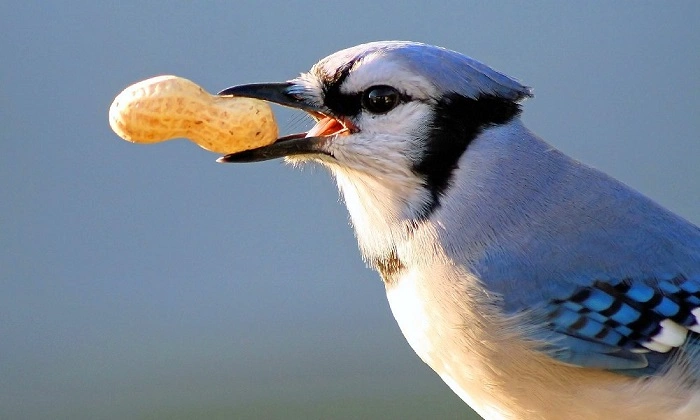
In mythology, the jay is most often the trickster, bold, and bright one. Its bright color and sharp call make it a sign of life. In spiritual life, a blue jay sighting can represent persistence, clarity, or even warning to be on guard.
The egg thieving myth agrees with this trickster role—genius blended with naughtiness.
Also Read: Angry Birds Chuck: Speed, Timing, and Calm Mastery for Big Scores
How To Save Nesting Birds From Jays
If you care about your yard nests, the following are simple steps:
- Provide thick shrubs and cover for nesting birds.
- Place feeders far from nest areas to reduce jay activity close by.
- Use nesting boxes with smaller openings that larger birds cannot enter.
- Accept that predation by others is natural and a part of balance.
You can’t prevent it entirely, but you can help small birds with protection.
The Balance of Nature
When we ask if blue jays eat eggs, we are really asking: are they the bad guys? But nature doesn’t see villains or heroes. All species take and give. Jays take an egg. But they also plant forests, scatter seeds, and bring down insect pests.
Their role is balanced, not harmful.
The Beauty of the Blue Jay
Other than controversy, their beauty cannot be gainsaid. That blues-and-blacks patchwork. That raised crest when watchful. That jarring, indelible cry. To see a jay on a snowy branch is to see brightness shaped into winter. To see them in flocks is to see loyalty and fellowship in feathers.
They are more than their folklore.
FAQs About Blue Jays and Eggs
Q1. Do blue jays systematically steal nests?
No. Egg predation is uncommon in terms of their seed- and nut-diet.
Q2. What proportion of their diet is eggs or nestlings?
Research shows little more than an infinitesimal percentage—less than 1% in most cases.
Q3. Why the bad rep?
Because they are conspicuous, visible, and vocal, people see their activity more than any other nest predator.
Q4. Do blue jays eat eggs of their own species?
Rarely. They will fiercely defend their own nests from predators.
Q5. Are blue jays good for the environment?
Yes. They scatter acorns and other seeds, and forests regrow.
Closing Thoughts
So—do blue jays steal eggs from other birds’ nests? Yes, now and then. But rarely, and never as a general rule of survival. They are opportunists, not bullies. Their grand purpose is as forest gardeners, stewards of balance, and bright voices in our own gardens.
The next time you see one, try not to let your mind wander to the myth. Recall its cleverness, its purpose, its fire-blue feathers. The jay reminds us that nature’s truth is always more complex, more empathetic, more enchanting than our false assumptions.
