

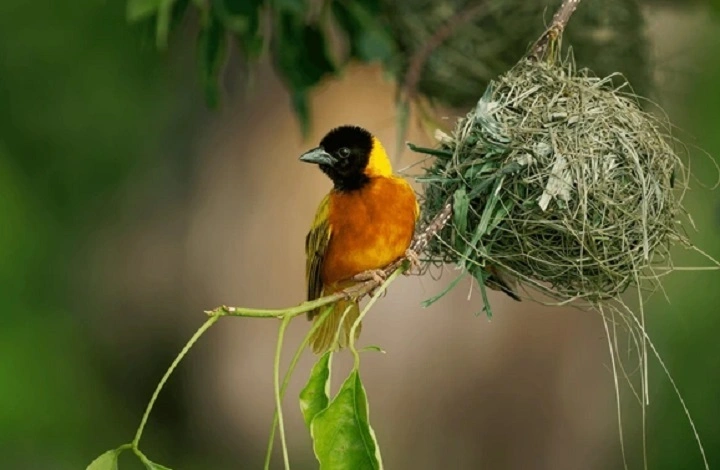
A nest is not just sticks and grass. A nest is safe. A nest is a womb. A nest is the initial home for the majority of birds on the planet. From hummingbird to eagle, all birds begin life in a nest.
There is something remarkable about viewing birds in a nest that resonates with the human heart. It is such an emblem of family. Of safety. Of the soothing power of nature. In this blog, we share the story of nests. Why they are important. How they are made. The cycles of life within them. And what birds in a nest can teach us about staying strong and flourishing.
What Is a Nest?
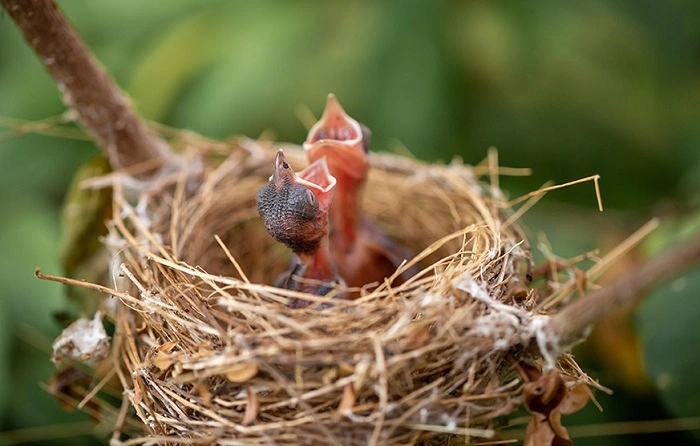
A nest is what birds build to shelter eggs and raise young. It can be simple. It can be complex. But whatever, its purpose is the same: protection.
Grass and sticks, feathers and mud, leaves and moss, even human products like paper or string are some of the things birds use. Each nest is unique. Each one a survival work of art.
Why Do Birds Build Nests?
Birds build nests to protect. Eggs cannot be left on the ground exposed. Predators, wind, and rain are constant threats. A nest safeguards. It covers. It supports.
Nests also keep warm. Soft linings keep eggs at correct temperature levels. Once chicks emerge, the nest is a nursery. A site to feed. A site to grow.
Nests, in a nutshell, are survival.
Types of Bird Nests
Cup Nests
Most common design. Bowl-shaped design. Made up of twigs, grass, and mud. Robins, sparrows, and finches use this design.
Platform Nests
Large roomy nests built by large birds like eagles and storks. Long-lasting for many years.
Pendant Nests
Hanging nests of bag-like shape. Made up of fibre and woven grass. The Orioles are famous for this.
Ground Nests
The other birds do not construct their nests in mid-air. They scratch shallow scrapes in the ground, and they line them with leaves. Plovers and ducks do.
Cavity Nests
Tree holes, cliff holes, or building holes. Woodpeckers create them. Owls and parrots do as well.
There is an adaptation tale behind each type of nest.
How Birds Build Nests
Instinct takes over. A bird is drawn by instinct. It gathers material. It weaves, packs, and molds.
Males like to show nest-construction to prospective mates. Good nest = good genes. Females examine very thoroughly. If the nest is acceptable, it is their collective labor.
The work is masterful. Birds bundle sticks in their beaks. They form mud with their bodies. They spin fibers with wonderful manual dexterity. Some nests are days to complete. Some are weeks. But all are laboriously worked on.
Life Inside the Nest
Eggs Laid
Mother lays eggs. She keeps on top of eggs to heat them. This is incubation. Time is not like before. Little birds hatch in two weeks. Large birds take over four weeks.
Chicks Hatch
Small, blind, and hairless. Completely dependent on parents. Rocked in the nest, outside of it.
Feeding Time
Parents make frequent trips back. Worms. Insects. Seeds. Many hundreds of daily trips sometimes.
Growth
Feathers start to appear on chicks. Eyes open. Wings get strong. The nest is congested.
First Flight
Final stage. Chicks take a leap out of the nest. Clumsy. Awkward. But it soon get stronger. The nest is empty, having fulfilled its purpose.
Famous Birds and Their Nests
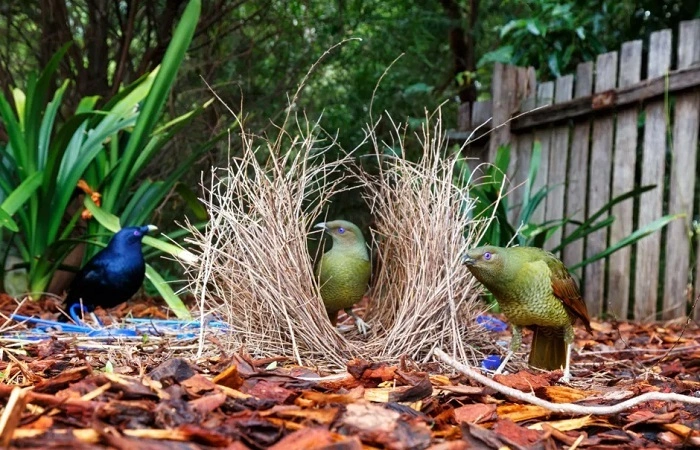
Bald Eagle
Massive nests called eyries. Situated on tall trees. Some weigh over a ton. Eagles add to the nest annually.
Hummingbird
Dainty cup nests no larger than a walnut. Made of spider web and lichen. Miniature engineering masterpiece.
Weaver Bird
Spiky woven hanging nests. Made of reeds and grass. Their colonies are villages in the trees.
Penguin
Not all nests are made of twigs. Emperor penguins employ bodies of their own. The male cradles the egg on his feet beneath a fold of warm skin.
Each species shows ingenuity accumulated in survival.
Symbolism of Birds in a Nest
To man, a nest is biology plus. It is symbolic. Of family. Of motherhood. Of new life. Artists, poets, and writers have a tendency to use the symbol of birds in a nest to signify care and love.
The nest is a weakness. Yet strength. A weak form that bristles against storms. An indicator that a home may not always be walls. Sometimes it is merely heat and closeness.
Hazards to Birds in a Nest
Predators are always around. Cats, raccoons, snakes, and other birds sneak into nests regularly. The weather is also dangerous. A heavy rainstorm or strong winds will knock flimsy nests down. Human activities also ruin nests. Urbanization, deforestation, and pesticides eliminate nesting sites.
But birds evolve. They camouflage nests further. They take over human structures like buildings and bridges. Survival will win out.
Birds in a Nest and Human Connection
People are fascinated by nests. Bird enthusiasts climb trees or set up cameras to watch them. Kids look into bushes hoping to catch sight of chicks. Farmers and gardeners protect nests they find near residences.
Nests are reminiscent. Of families. Of childhood. Of protection we crave. That makes bird watching in a nest an emotional act.
Practical Tips for Helping Birds in a Nest
- Do not disturb nests. Even touching them can get birds to desert their nests.
- Provide nesting boxes to birds like bluebirds and owls.
- Provide trees and shrubs that have nesting places naturally.
- Keep indoor cats indoors when birds nest.
- Use pesticides carefully so as not to poison food for chicks.
Small steps save large life cycles.
Birds in a Nest Around the World
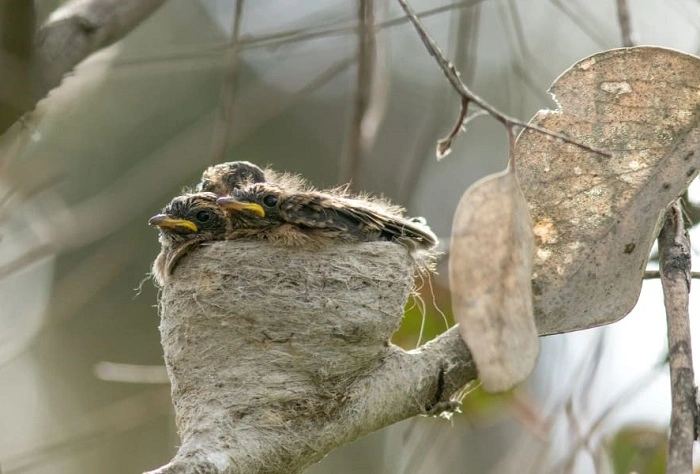
Nests begin anywhere. In Native cultures, they’re a sign of safety. In European folklore, it’s good luck to see a bird constructing a nest. And in Asian poetry, birds in a nest are most frequently metaphors for domestic tranquility.
There is no end to the image. It is everywhere.
Lessons from Birds in a Nest
Patience. Birds build step by step.
Perseverance. They rebuild if they are destroyed.
Tenderness. They nurture and protect jealously.
Bravery. Chicks leap when the moment comes.
Each step offers human beings a lesson concerning resilience, love, and trust.
Birds in a Nest in Modern Media
From fairy tales to cartoons, nests can be found everywhere. They symbolize innocence. They can be found in logos, firms, and even installation art. Nests and chicks’ social media pictures get viral every time. The picture does not get outdated.
FAQs on Birds in a Nest
Why do birds construct nests?
To lay eggs and bring up chicks in a safe place.
Do all birds construct nests in trees?
No. Some nest on cliff, cavities, or ground.
How long do chicks stay in the nest?
Depends. Small birds leave after a fortnight. Greater ones take a little more time.
What do birds use to construct nests?
Twigs, grass, mud, feathers, moss, and even materials like paper that are man-made.
Do birds reuse old nests?
Yes, some like eagles. Others construct new ones every year.
What should I do if I notice a nest in my yard?
Leave it alone. Observe it from far away. Protect it from pets.
Who makes the largest nest?
A bald eagle. They are over a ton in weight.
Closing Thoughts
Birds in a nest are one of the saddest sights to behold in nature. Helpless yet strong. Plain but beautiful. They remind us that living is as much a function of compassion as it is of strength. That home is not something of walls but of safety and love.
Watching chicks spread their wings for the first time is a lesson in courage. Watching parents toil day and night is a lesson in dedication. A nest may be small, but it is something that occupies the space with a giant presence.
Birds within a nest are not only wildlife. They are reminders of family, strength, and hope.
