

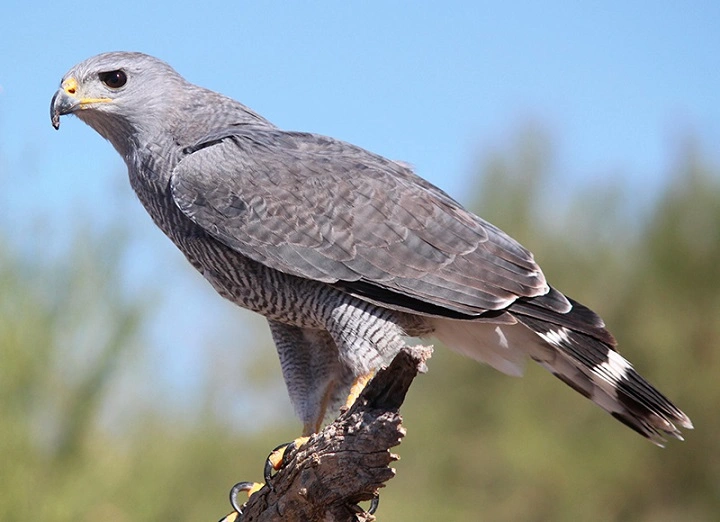
Arizona birds of prey are some of the most impressive creatures in the American Southwest. From the sharp-eyed red-tailed hawk to the elusive peregrine falcon, these raptors dominate the desert skies, grasslands, and canyons. Arizona’s diverse landscape — including mountains, deserts, and rivers — provides an ideal home for a wide variety of hawks, eagles, falcons, and owls.
In this guide, we’ll explore Arizona’s top birds of prey, their habitats, behaviors, hunting techniques, and the crucial role they play in the local ecosystem.
What Are Birds of Prey?
Defining Raptors

Birds of prey, or raptors, are carnivorous birds that hunt and feed on other animals. They share key characteristics:
- Strong talons for catching and gripping prey.
- Sharp, curved beaks for tearing meat.
- Excellent eyesight for spotting prey from long distances.
Arizona’s birds of prey range from tiny American kestrels to massive golden eagles.
Why Arizona Is a Hotspot for Raptors
Arizona’s mix of deserts, mountain ranges, cliffs, and riparian zones offers prime hunting grounds and nesting spots. Many species thrive year-round, while others migrate through the state on their way to breeding or wintering grounds.
Notable Arizona Birds of Prey
Red-Tailed Hawk
One of the most common and widespread hawks in North America, the red-tailed hawk is easily identified by its reddish-brown tail and broad wings. They soar above deserts, highways, and open fields, scanning for rodents, snakes, and rabbits.
Harris’s Hawk
Unique for its social behavior, the Harris’s hawk often hunts in groups, unlike most solitary raptors. Found in desert scrub and saguaro-studded landscapes, these striking dark hawks with chestnut shoulders are a favorite among birdwatchers.
Peregrine Falcon
Known as the fastest bird on Earth, the peregrine falcon can dive at over 200 mph to strike prey mid-air. These sleek, powerful falcons nest on high cliffs and urban buildings across Arizona, preying on pigeons, doves, and shorebirds.
Golden Eagle
The majestic golden eagle is one of Arizona’s largest raptors, with a wingspan over 7 feet. Found in remote mountainous regions, they hunt large mammals like jackrabbits and even young deer.
American Kestrel
The American kestrel is North America’s smallest falcon, with a beautiful reddish back and blue-gray wings. Perching on wires or poles, kestrels hunt insects, small birds, and rodents.
Great Horned Owl
A master of the night sky, the great horned owl is a large, fierce predator with tufted “horn” feathers and a deep hooting call. It’s one of Arizona’s top nocturnal hunters, capable of taking down prey larger than itself.
Habitats and Ecosystems
Desert and Scrublands
Species like Harris’s hawks and red-tailed hawks thrive in Arizona’s desert areas, where they hunt lizards, snakes, and small mammals. The iconic saguaro cactus often serves as a nesting or perching site.
Mountains and Cliffs
Golden eagles and peregrine falcons favor rugged cliffs and mountain ranges, where they can nest away from predators and have clear flight lines to spot prey.
Riparian and Wetland Areas
Along Arizona’s rivers and lakes, you’ll find ospreys and bald eagles hunting fish. These areas also support a variety of small raptors that rely on the lush habitat for nesting and feeding.
Hunting and Feeding Behaviors
Solo vs. Cooperative Hunters
Most raptors hunt alone, using stealth, speed, or ambush. Harris’s hawks are an exception, often hunting cooperatively in family groups to flush out prey or corner it.
Diverse Diets
- Hawks target rodents, rabbits, and reptiles.
- Falcons specialize in birds and insects caught mid-flight.
- Owls prefer small mammals but also eat birds, reptiles, and insects.
- Eagles hunt larger animals and sometimes scavenge carrion.
Conservation of Arizona Raptors
Threats to Birds of Prey
While many species are stable, raptors face challenges:
- Habitat loss due to urbanization and agriculture.
- Pesticide poisoning affecting food chains.
- Collisions with vehicles, power lines, and wind turbines.
Conservation Efforts
Organizations like the Arizona Game and Fish Department and wildlife rehabilitation centers work to:
- Protect nesting habitats.
- Monitor populations.
- Educate the public about raptor importance.
Watching Arizona Birds of Prey
Best Places for Birdwatching
- Grand Canyon National Park: Spot condors and eagles soaring over the cliffs.
- Sonoran Desert: Look for Harris’s hawks and kestrels on cactus perches.
- Riparian preserves like Riparian Preserve at Water Ranch in Gilbert attract ospreys and red-shouldered hawks.
Bring binoculars and a field guide, and remember to respect wildlife by observing from a distance.
FAQs About Arizona Birds of Prey
What’s the largest bird of prey in Arizona?
The golden eagle, with its massive wingspan and hunting power, holds the title.
Are peregrine falcons still endangered?
Thanks to conservation efforts, peregrine falcons have rebounded from near extinction and are no longer listed as endangered.
Can you see bald eagles in Arizona?
Yes! Though less common, bald eagles nest near lakes and rivers, especially in the winter months.
What’s unique about Harris’s hawks?
They’re one of the few raptors known to hunt cooperatively in groups, often called “wolves of the sky.”
How can I help protect raptors?
Support habitat conservation, avoid using harmful pesticides, and report injured raptors to local wildlife rescue groups.
Arizona birds of prey are stunning symbols of power, grace, and the wild desert spirit. From soaring eagles to darting kestrels, these raptors play vital roles in maintaining healthy ecosystems by controlling rodent and bird populations. Whether you’re a seasoned birder or simply love the sight of a hawk against a desert sunset, Arizona offers endless opportunities to admire these magnificent creatures.
By learning about and supporting conservation efforts, we ensure that future generations can continue to experience the awe-inspiring beauty of Arizona’s raptors.
