

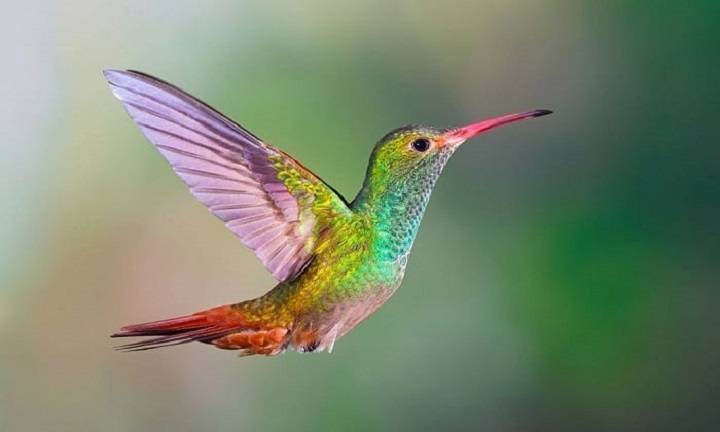
Flight is one of the most remarkable adaptations in the animal kingdom, allowing birds to explore vast distances, evade predators, and seek out food and mates. While most birds are adept at flying forward, there are a select few species that possess the remarkable ability to fly backward. In this blog post, we’ll delve into the fascinating world of birds that can fly in reverse, exploring the mechanics of their unique flight techniques, the evolutionary adaptations that enable this behavior, and the remarkable diversity of species that exhibit this feat.
The Marvel of Reverse Flight
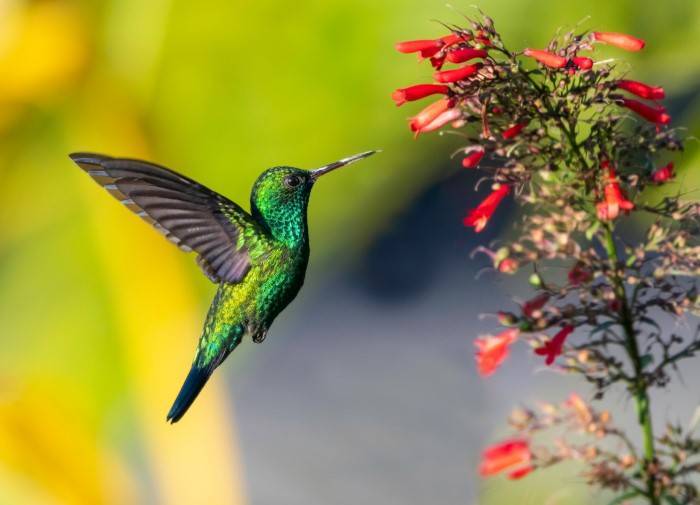
Flying backward is a rare and impressive skill that few creatures possess. While insects like hummingbirds and bees are known for their backward flight abilities, birds are a relatively small group of animals that can also perform this remarkable feat. Flying backward requires precise control of wing movements, rapid adjustments in flight direction, and a keen understanding of aerodynamics.
Hummingbirds: Masters of Reverse Flight
Among birds, hummingbirds are perhaps the most famous for their ability to fly backward with astonishing agility and precision. These tiny avians, known for their iridescent plumage and rapid wing beats, have evolved unique flight adaptations that allow them to hover, fly in any direction, and even fly backward. Hummingbirds achieve backward flight by rotating their wings in a figure-eight pattern, generating lift and thrust in both the forward and backward strokes.
Ruby-throated Hummingbird (Archilochus colubris)
The ruby-throated hummingbird, a common species found in eastern North America, is known for its stunning iridescent plumage and remarkable aerial acrobatics. During courtship displays and territorial disputes, male ruby-throated hummingbirds may engage in backward flight maneuvers to impress potential mates or deter rivals. By flying backward, these agile birds can maintain visual contact with their target while hovering in mid-air.
Violet-crowned Woodnymph (Thalurania colombica)
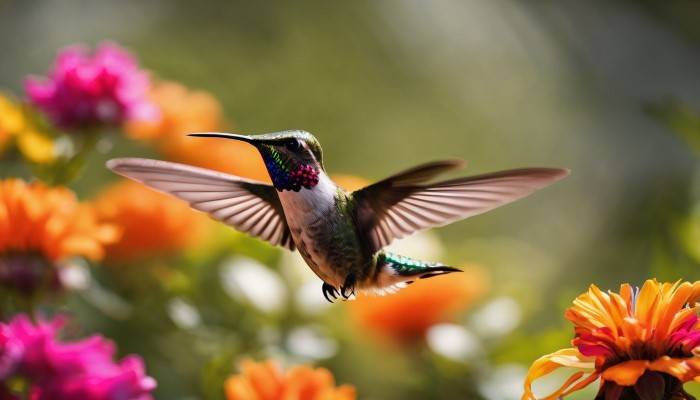
Found in the tropical forests of Central and South America, the violet-crowned woodnymph is another hummingbird species known for its backward flight abilities. These dazzling birds, named for the vibrant violet patch on their crown, are often observed darting among the flowers in search of nectar. During feeding and territorial defense, violet-crowned woodnymphs may perform intricate backward flight displays to assert dominance and protect valuable resources.
Other Birds with Reverse Flight Abilities
While hummingbirds are the most well-known examples of birds that can fly backward, they are not the only ones. Several other bird species, including some members of the kingfisher family and certain parrots, have been observed flying backward under specific circumstances. Kingfishers, with their sleek bodies and powerful wings, may fly backward briefly when maneuvering in tight spaces or pursuing prey underwater.
The Science Behind Reverse Flight
Flying backward presents unique challenges for birds, as it requires overcoming the aerodynamic forces that typically propel them forward. To achieve backward flight, birds must generate sufficient lift and thrust while also maintaining stability and control. This is accomplished through a combination of wing movements, body adjustments, and precise coordination of flight muscles.
Wing Morphology and Flight Dynamics
The ability to fly backward is influenced by a bird’s wing morphology, muscle strength, and flight dynamics. Birds with short, rounded wings and high wing loading, such as hummingbirds, are better suited for hovering and maneuvering in confined spaces. These birds can adjust the angle of their wings and tail feathers to redirect airflow and generate lift in any direction, enabling them to fly backward with ease.
Adaptations for Precision Flight
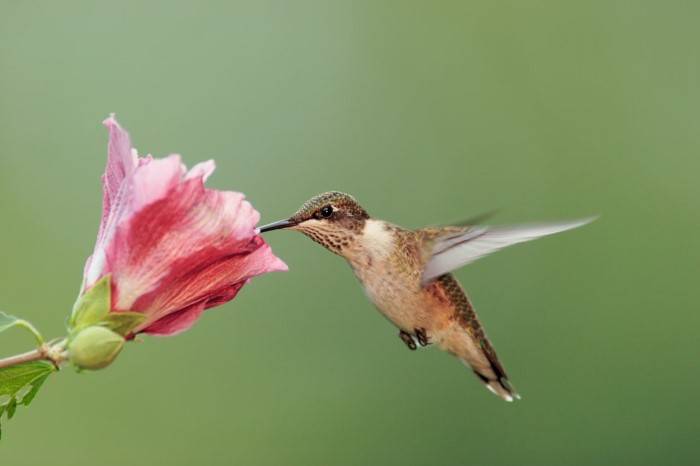
In addition to wing morphology, birds that can fly backward possess specialized adaptations for precision flight and aerial agility. Their highly developed visual and sensory systems allow them to perceive and respond to changes in their environment with split-second accuracy. By continuously monitoring their surroundings and adjusting their flight movements accordingly, these birds can navigate complex flight paths and perform intricate maneuvers with remarkable finesse.
Evolutionary Origins of Reverse Flight
The ability to fly backward has evolved independently in multiple bird lineages, suggesting that it confers significant advantages in certain ecological niches. While the exact evolutionary origins of reverse flight remain unclear, scientists believe that it may have evolved as a specialized adaptation for foraging, territorial defense, courtship displays, or predator avoidance. By mastering backward flight, birds can exploit a wider range of resources and outmaneuver potential threats in their environment.
Birds That Can Fly Backwards
Studying birds that can fly backward offers valuable insights into the principles of aerodynamics, animal behavior, and evolutionary biology. Understanding the mechanisms underlying reverse flight may also have practical applications in fields such as robotics, aerospace engineering, and bio-inspired design. By unraveling the secrets of reverse flight in birds, researchers hope to unlock new possibilities for enhancing the efficiency, maneuverability, and agility of aerial vehicles and unmanned drones.
Related Post:
Discovering the Enigmatic World of Rare Duck Breeds
The Essential Guide to Pet Ducks: Care, Behavior, and Joys of Keeping Ducks
Discovering the Distinctive Charm of Aylesbury Ducks: A Classic Duck Breed
Birds that can fly backward exemplify the extraordinary diversity and adaptability of the avian world. From the dazzling displays of hummingbirds to the sleek maneuvers of kingfishers, these remarkable birds demonstrate the power of evolution and adaptation in shaping the natural world. By unraveling the mysteries of reverse flight, scientists continue to gain a deeper appreciation for the marvels of avian flight and the intricate interplay between form, function, and behavior. So the next time you marvel at the sight of a hummingbird hovering in mid-air or a kingfisher darting along the water’s edge, take a moment to reflect on the incredible feats of aerial agility and precision that birds perform every day.
