

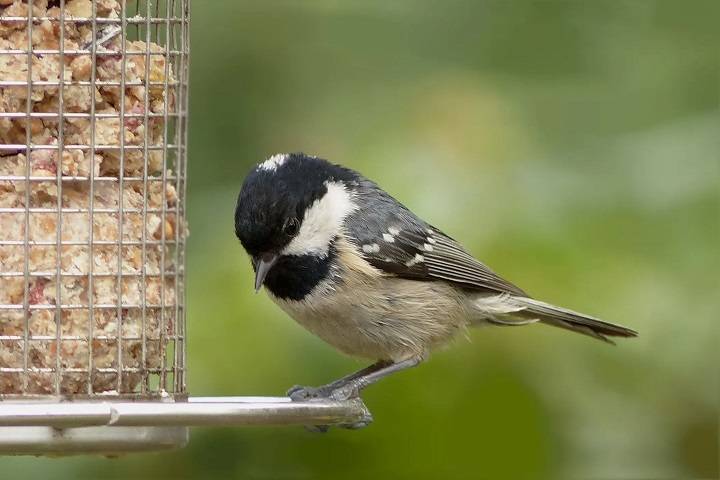
The coal tit (Periparus ater) is a small and charming bird found across the woodlands, gardens, and parks of the United Kingdom. Known for its distinctive markings, agile movements, and melodious song, the coal tit is a favorite among birdwatchers and nature enthusiasts. One of the most fascinating aspects of coal tits is their nesting behavior and the intricate structures they create to raise their young. In this comprehensive guide, we will delve into the captivating world of coal tit nests, exploring their construction, location, breeding habits, and the vital role they play in the survival of this beloved species.
Understanding Coal Tits

Physical Characteristics:
- Coal tits are small passerines with distinctive markings, including a glossy black cap, white cheeks, and a bold white stripe down their nape. They have olive-brown upperparts, buff-colored underparts, and a small, slender bill perfectly suited for extracting seeds and insects from tree bark.
Habitat and Distribution:
- Coal tits are widespread throughout the UK and can be found in a variety of habitats, including deciduous and coniferous woodlands, parks, gardens, and urban areas. They are adaptable birds and readily visit bird feeders to supplement their diet with seeds and suet.
Nesting Behavior
Nest Construction:
- Coal tits build intricate nests made of moss, lichen, grass, and other plant materials, woven together with spider silk and lined with softer materials such as feathers, fur, and fine rootlets. These nests are remarkably compact and cup-shaped, providing a cozy and secure environment for raising their young.
Location and Placement:
- Coal tits typically build their nests in concealed locations, such as tree cavities, holes in walls or fences, dense vegetation, and sometimes even nest boxes or artificial structures. They show a preference for nesting sites with overhead cover and protection from predators.
Breeding Habits
Breeding Season:
- Coal tits breed from April to July, with peak breeding activity occurring in late spring and early summer. They are monogamous birds and form pair bonds that last throughout the breeding season.
Incubation and Parental Care:
- After mating, the female coal tit lays a clutch of eggs, usually numbering between 6 and 10, which she incubates for approximately 12-16 days. Both parents take turns incubating the eggs and feeding the chicks once they hatch, ensuring their offspring receive adequate care and nutrition.
Nesting Success and Survival
Predation and Threats:
- Coal tit nests face various threats, including predation by squirrels, birds of prey, and nest parasites such as cuckoos and nest-dwelling insects. Nest predation can significantly impact nesting success and the survival of coal tit chicks.
Survival Strategies:
- To mitigate the risk of predation, coal tits often choose nesting sites with natural or artificial protection, such as dense vegetation, thorny bushes, or nest boxes with predator guards. They also employ camouflage and stealth when approaching their nests to avoid drawing attention to them.
Coal Tit Nest
Population Trends:
- While coal tits are still relatively common and widespread throughout the UK, their populations may be vulnerable to habitat loss, fragmentation, and climate change. Conservation efforts aimed at preserving and restoring their woodland habitats are essential for ensuring the long-term survival of this species.
Citizen Science:
- Citizen science initiatives, such as nest box monitoring programs and bird population surveys, play a crucial role in monitoring the health and distribution of coal tit populations across the UK. These volunteer-driven projects provide valuable data that inform conservation strategies and management decisions.
Related Post:
When Do Ducks Start Quacking? Unraveling the Quack-tastic Mystery
Exploring the Enigmatic Ancona Duck: A Quirky, Beautiful, and Versatile Breed
Exploring the Fascinating World of Male, Female, and Male Muscovy Ducks
Coal tits are remarkable birds with fascinating nesting behaviors and survival strategies. Their compact and intricately woven nests are a testament to their resourcefulness and adaptability, providing a safe haven for raising their young in the midst of Britain’s woodlands and gardens. By understanding and appreciating the importance of coal tit nests, we can gain insight into the complex web of life that sustains our natural world and take action to protect and preserve these vital habitats for future generations. Whether observed in the depths of a forest or the tranquility of a garden, coal tit nests remind us of the resilience and ingenuity of nature’s architects and the enduring beauty of the avian world.
